
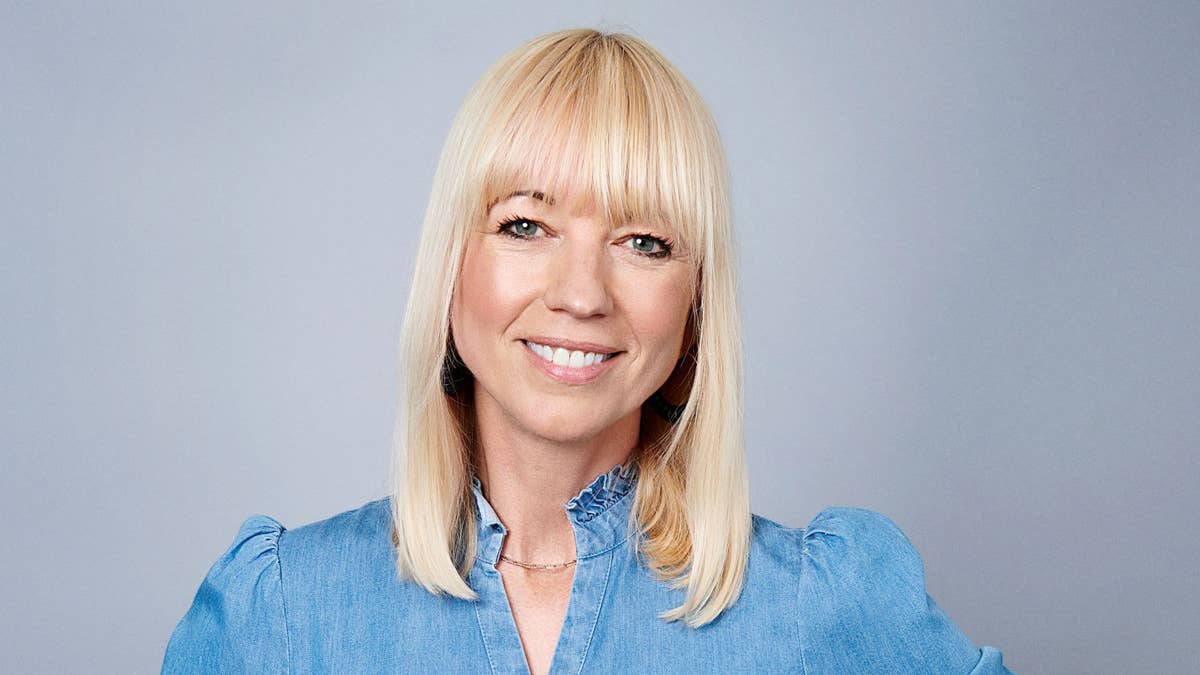

As a self-confessed non-morning person, I have always struggled with the alarm – even when I met my husband and found out he used a clock radio instead of the phone alarm (retro, I know!). I always wince when it starts up each morning. We’ve tried so many different channels and DJs – I’ve always had a complaint. Then, earlier this year, Sara Cox announced she would be taking over the Radio 2 breakfast show this week.
“Perhaps now you’ll enjoy waking up!” laughed my husband. It’s true – I was elated. I’m a big fan of Cox and have been for many years. I’m one of those women who grew up with her on TV and radio and now looks to her as someone who has huge success in midlife, from her career (including being an author) to her BBC Children in Need challenge.
So, I was even more elated to hear that she has worked with a career coach – Michael Heppel. They were introduced by Davina McCall and, when Cox was announced as the new breakfast show host, Heppell shared a post on Instagram with her testimonial after they first worked together in 2011: “Michael’s advice and help has completely boosted my confidence and made me think differently about how I approach work and I honestly can’t thank him enough. Whether you’re starting a new career or just want to inject some oomph into your current job, Michael can help.” Cox then re-posted Heppell’s post to her stories: “My whole mindset and confidence changed when I met you @michaelhepell thank you”.
I relate hard to turning to coaching in midlife and being able to credit it with helping my career. You see, as well as being a writer I’m also a career coach, and I see the power of coaching in the people I work with, too, many of whom are women in their 40s and beyond.
The idea that you’d need a coach in midlife might seem ridiculous – what do we need to know that we don’t already know? We’ve been around the block and back again, right? But midlife can leave us feeling isolated, confused, our confidence low and even non-existent. And, when it comes to confidence, coaching is a way of shutting out the noise of the world around us. This Second Act can be a challenging one, and while chats with friends or family can help offload and vent, it doesn’t always give us a clear way forward. I’ve found coaching to be the answer – like Cox.
The coach I worked with is Emma Thomas – she has helped me focus and re-align with my career plans in my late 40s, when I faced confusion about what path to take between freelancing and other options. Emma created a safe space for me to consider all the options. It sounds cheesy but a coach isn’t your friend, and that’s why their work is so powerful. It’s the opposite of that spritz-fuelled rant down the pub or on WhatsApp!
Thomas says: “In midlife it’s quite common to begin to question everything but also to feel a bit flat, or fall out of love with a career that you have spent decades building – while a radical change might feel needed, taking the time to evaluate and not rush into change for the sake of change can avoid heartache and expensive mistakes.
I also work with a coach mentor, Susan Quilliam, for support with future work plans. Because, like Coxy, I don’t plan to slow down as I hit 50!
Coaches in midlife aren’t just for DJs and celebrities. They can help you decipher what’s next for your midlife career, too – and I’m thinking about that as Sara gets stuck into her next act this week.
Five things to consider when choosing a midlife coach
Do they ‘get’ where you’re at? Emma Thomas says: A great coach should be able to coach on any topic, but for midlife I do think it is helpful to have someone who “gets” the complexity of this stage of life.
Are they accredited, trained or being supervised? Emma adds: “Given the topics that might be covered in midlife, it’s especially important to have someone that abides by their accrediting body’s Code of Ethics (EMCC/ICF) and who has regular supervision.”
Check their testimonials, too – this one’s my tip! See what others have to say about their experience as a coach.
You want to be challenged to think hard… A coach for 30 years, Dr Jane Lewis: says: “Good coaching is all about asking great questions but the best coaches ask questions that probe deeply and make you really think. They don’t just come off a cheat sheet.”
Book a free discovery call (these should always be free!). Jane Lewis advises: “If the chemistry is wrong, it probably won’t work. You want someone who will challenge you (with love and compassion)- particularly if you yourself are a strong character.”
Read the full article here