

The centuries-old requirement has evolved into modern law, but for the first six people in the line of succession, royal weddings still require the sovereign’s formal consent.
Royal weddings may look like fairy tales, but behind the pageantry lies a constitutional process that most couples never have to consider.
For Britain’s highest-ranking royals, getting engaged is only one step toward the altar. Before a marriage can proceed without affecting their place in the line of succession, the first six people in line to the throne must receive the monarch’s formal consent to marry, a legal requirement that remains in force under British law.
Although many people think of it as the monarch’s “blessing,” it is actually a constitutional requirement established by Parliament rather than simply a family tradition. The process helps protect the legal line of succession.
 © Rob Taggart
In other words, the sovereign is not simply offering personal approval. The consent is a legal step necessary to preserve an eligible royal’s place in the line of succession.
A rule with centuries of history
The requirement dates back to the Royal Marriages Act 1772, introduced during the reign of King George III after concerns over marriages within the royal family.
 © ANDREW MILLIGAN
Under that legislation, nearly every descendant of King George II was required to obtain the reigning monarch’s permission before marrying. Over time, the rule became so broad that it applied to dozens of distant relatives who had little realistic chance of inheriting the throne.
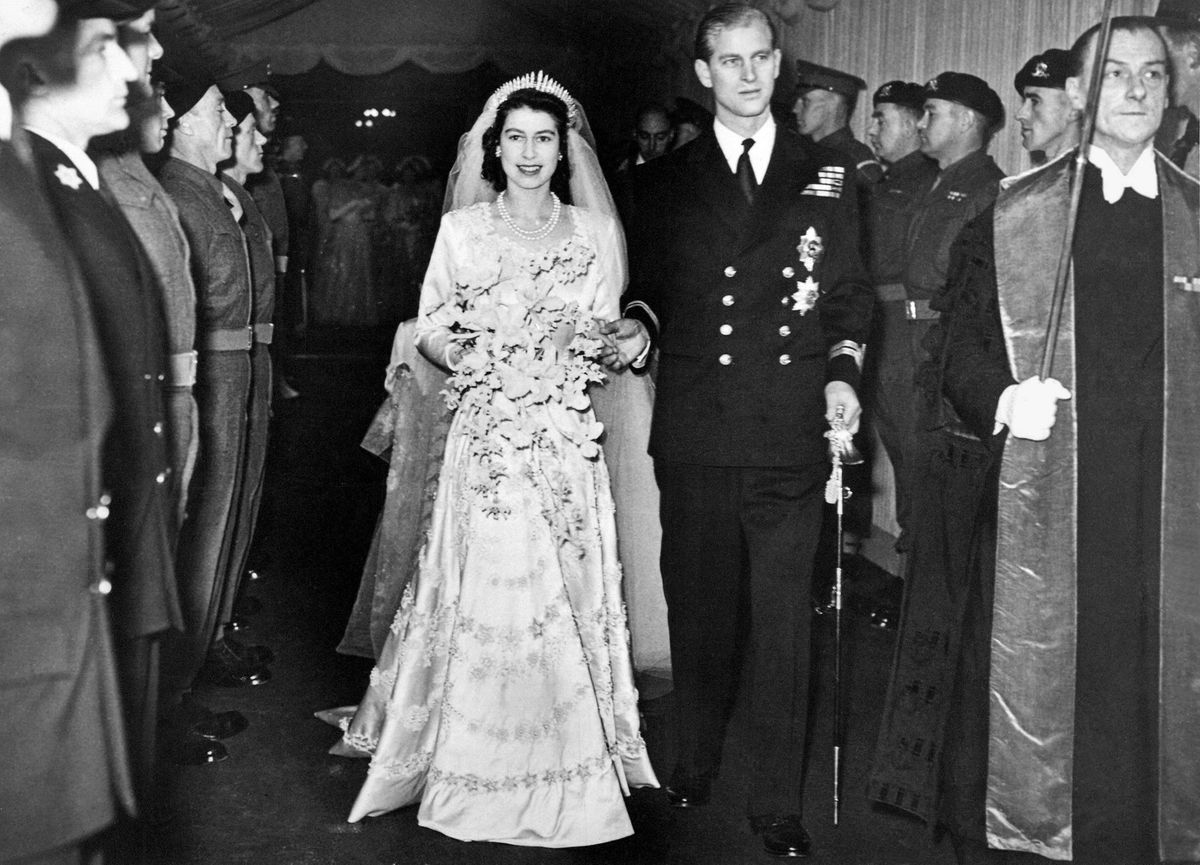
More than two centuries later, Parliament modernized the system through the Succession to the Crown Act 2013, replacing the broad requirements of the Royal Marriages Act 1772 with a much narrower rule that applies only to the first six people in the line of succession.
 © Mirrorpix
Today, only the first six people in the line of succession are legally required to obtain the monarch’s approval before marrying.
As the line of succession currently stands, that includes Prince William, Prince of Wales, Prince George, Princess Charlotte, Prince Louis, Prince Harry, Duke of Sussex, and Prince Archie of Sussex. Because the line of succession changes over time, the list can also change. Princess Lilibet of Sussex, for example, is currently seventh in line and therefore does not require the monarch’s formal consent under the law.
 © WPA Pool
What happens if a royal doesn’t ask?
Contrary to popular belief, marrying without the sovereign’s consent would not invalidate the marriage itself.
Instead, under the Succession to the Crown Act 2013, the individual and any descendants from that marriage would lose their place in the line of succession to the British throne.
 © Pacific Coast News/The Grosby Group
The marriage would remain legally valid, but the constitutional consequences would be significant. In practice, obtaining the monarch’s consent is considered a constitutional formality for senior members of the royal family, but it remains an important legal safeguard for the succession.
How the approval process works
Once a royal engagement has been announced, the monarch’s consent is granted through a formal constitutional process rather than a private family conversation.
The sovereign’s consent is signified under the Great Seal, declared in Council and recorded in the books of the Privy Council, creating the official legal record required by law before the wedding can take place.
 © Pool
Although much of the procedure is ceremonial today, it reflects the monarchy’s unique constitutional role, where certain family milestones continue to intersect with matters of state.
Recent royal weddings that required consent
Several of the royal family’s most high-profile weddings have followed this process.
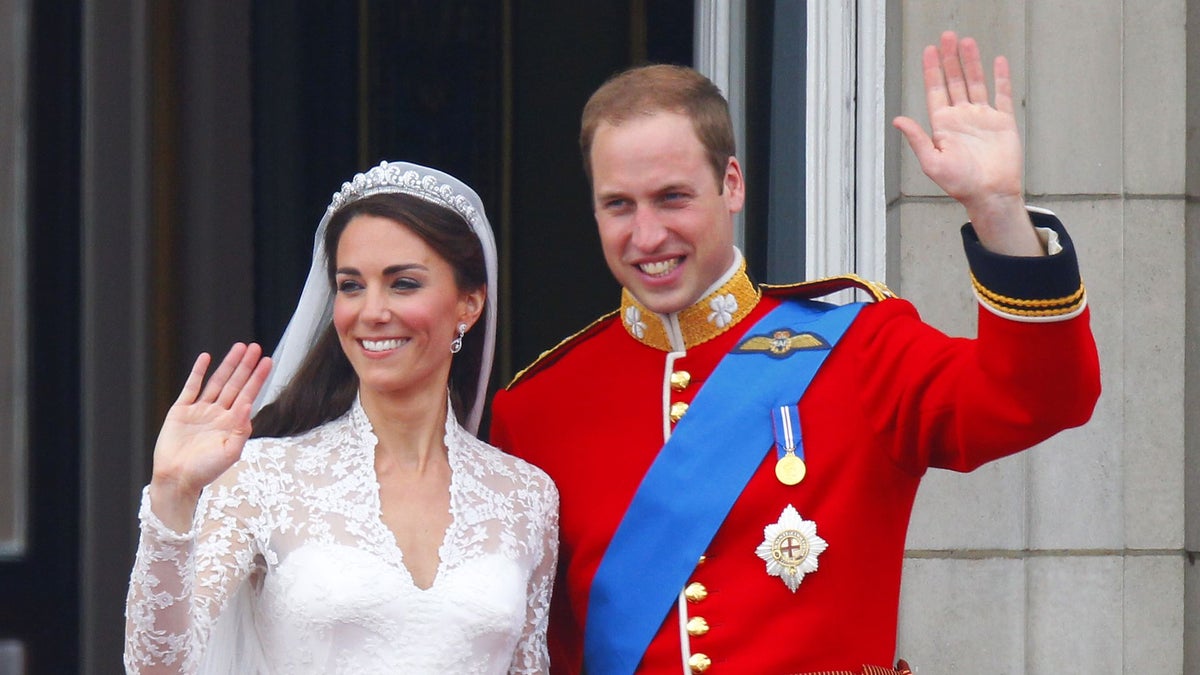
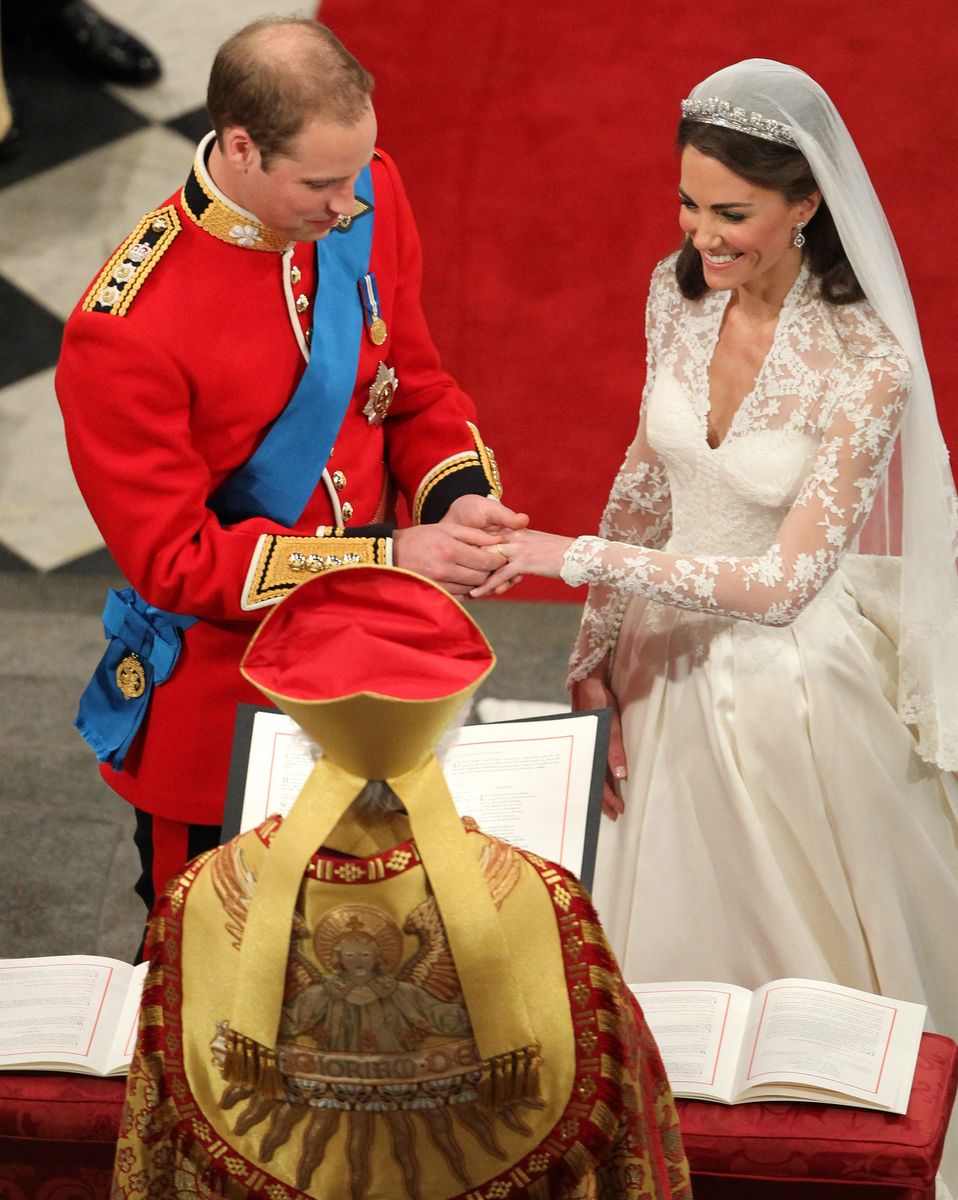
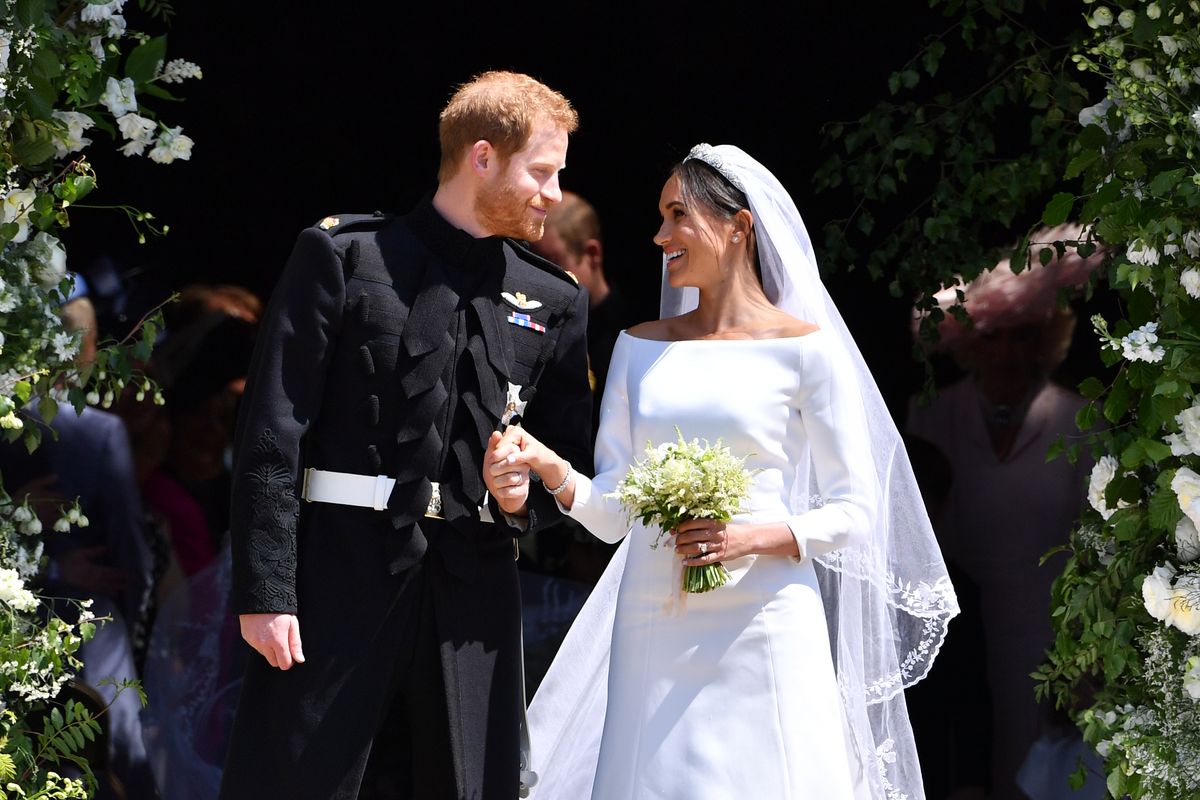
Queen Elizabeth II formally granted consent before Prince William married Kate Middleton in 2011. She also approved Prince Harry’s marriage to Meghan Markle ahead of their 2018 wedding at St. George’s Chapel.
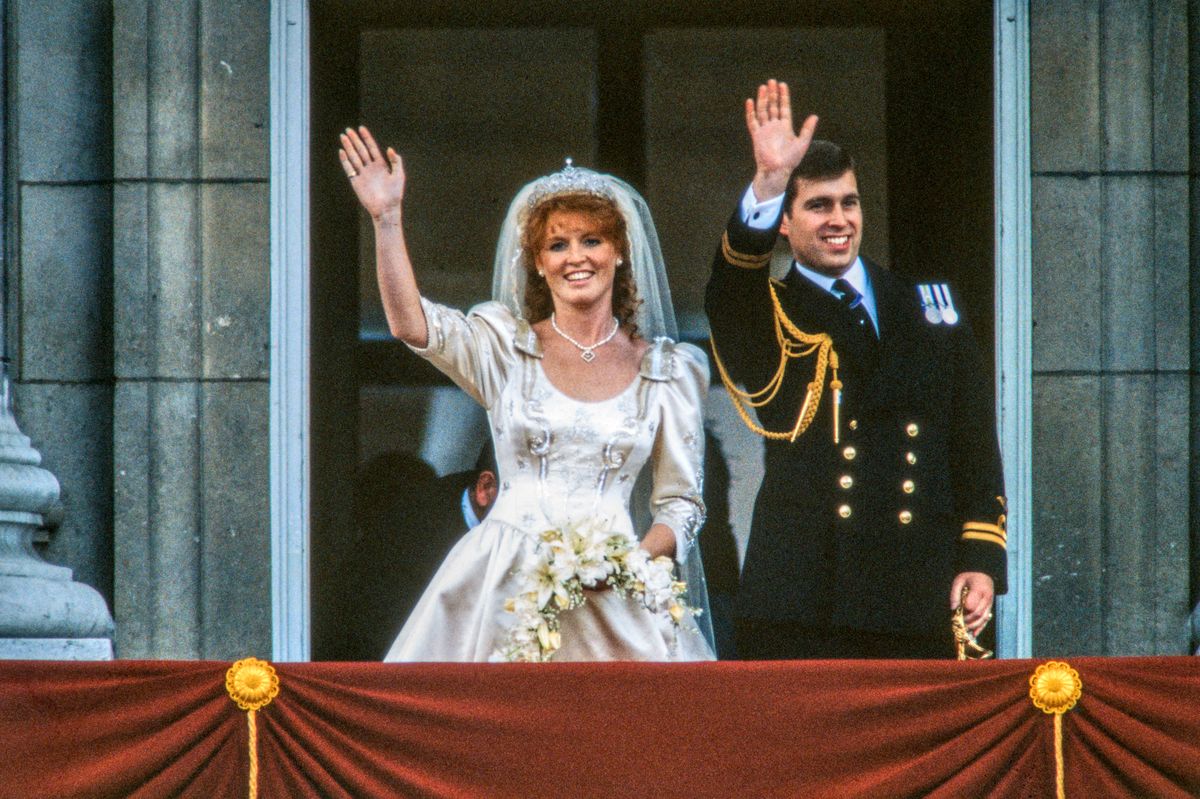 © Derek Hudson
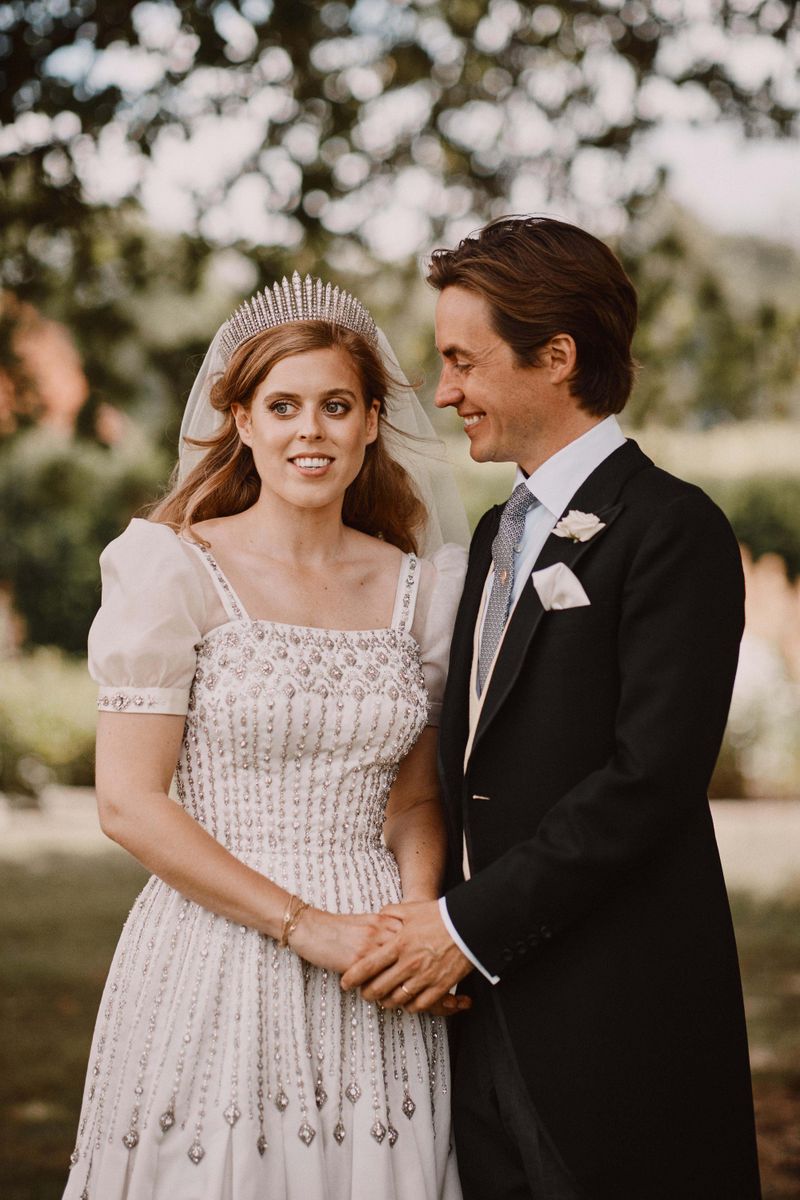
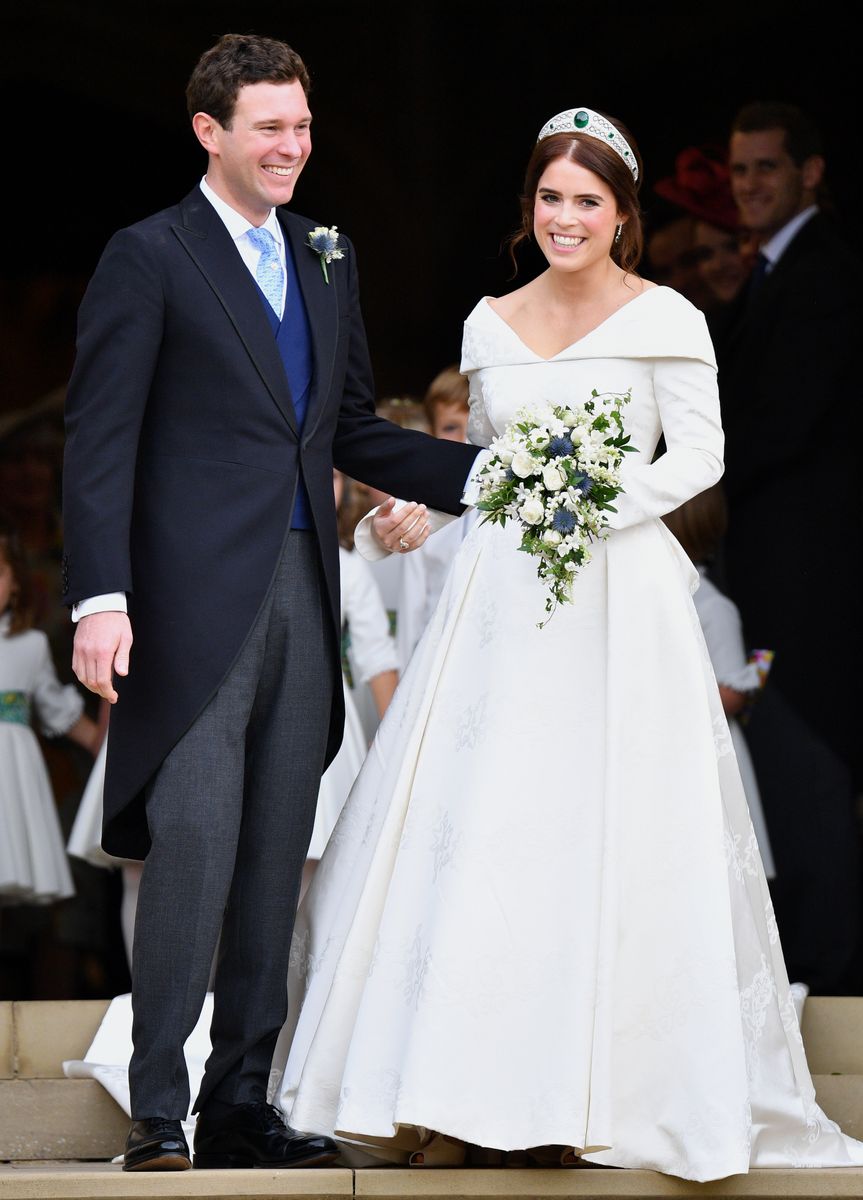
The late Queen likewise gave formal consent before Princess Eugenie married Jack Brooksbank in 2018 and before Princess Beatrice wed Edoardo Mapelli Mozzi in 2020.
Under King Charles III, the same constitutional framework remains in place, meaning any future marriages involving those within the first six places in the line of succession would continue to require the sovereign’s formal approval.
While the number of royals affected is now far smaller than it was under the 1772 legislation, the requirement remains a striking example of how Britain’s monarchy continues to balance centuries-old constitutional traditions with modern royal family life.
Read the full article here