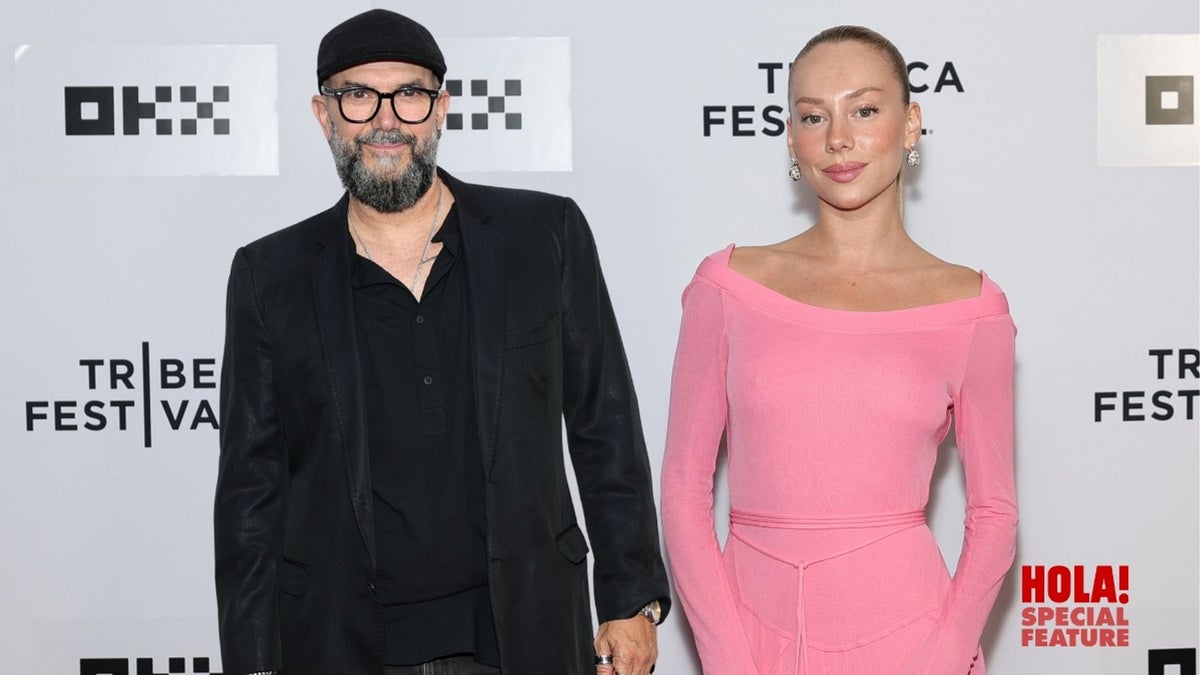
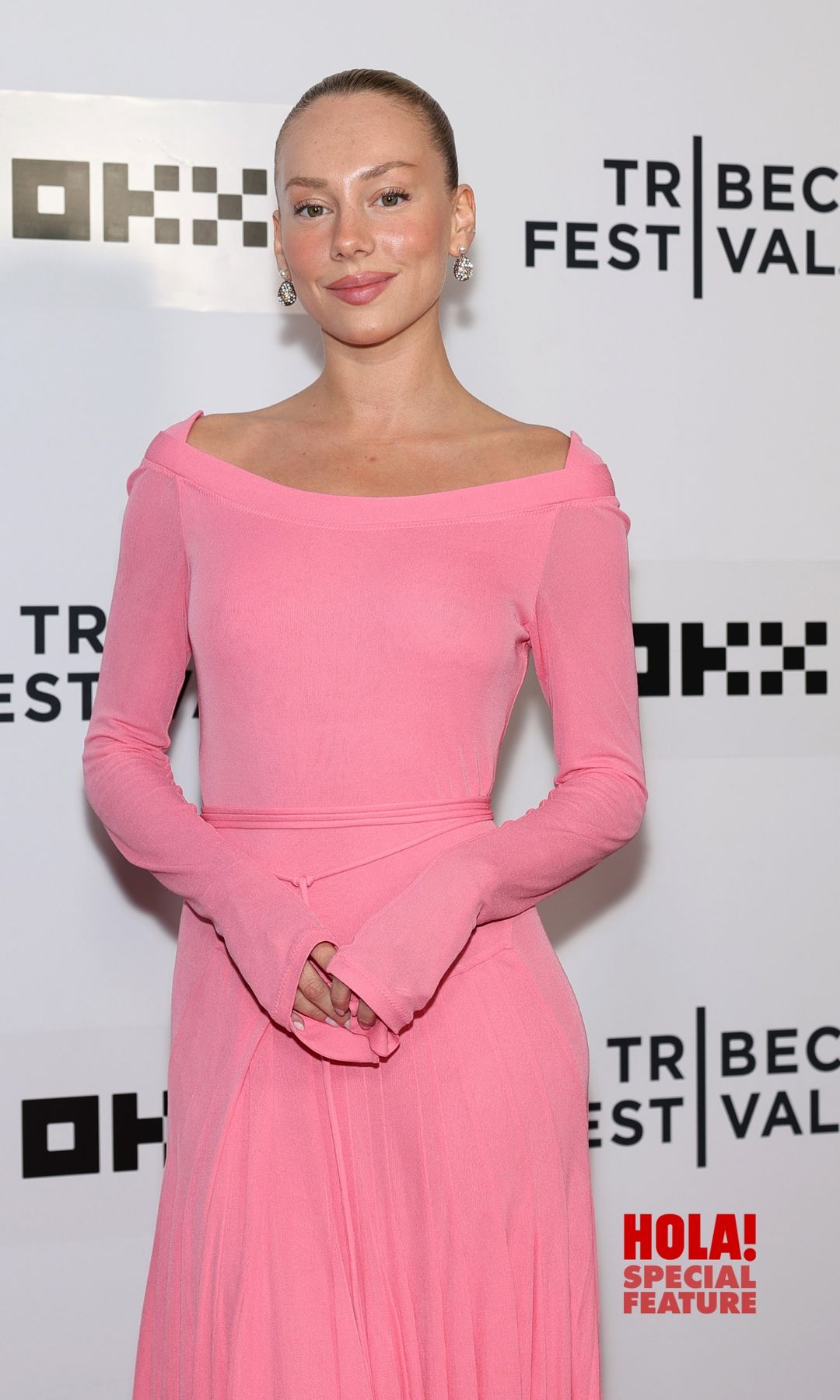
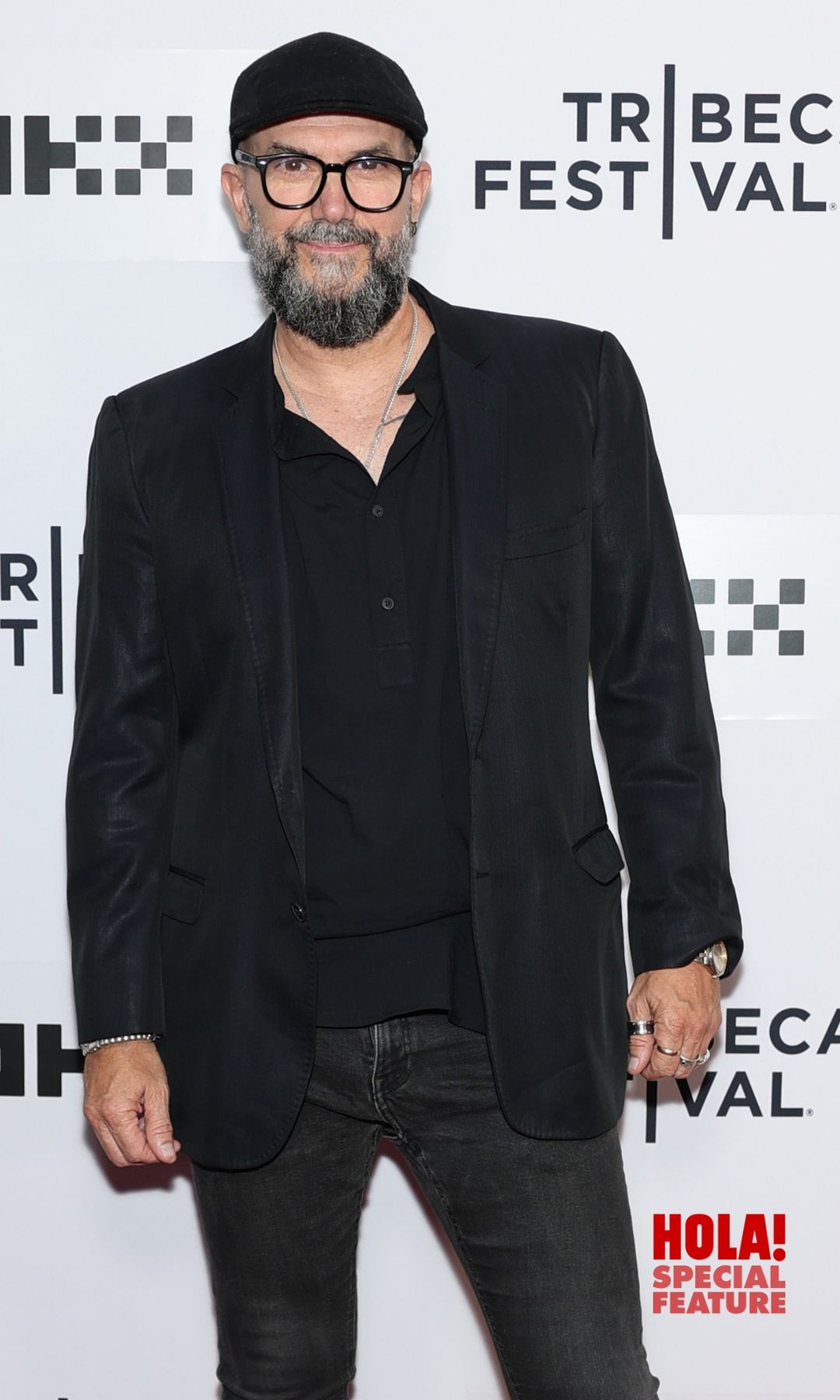
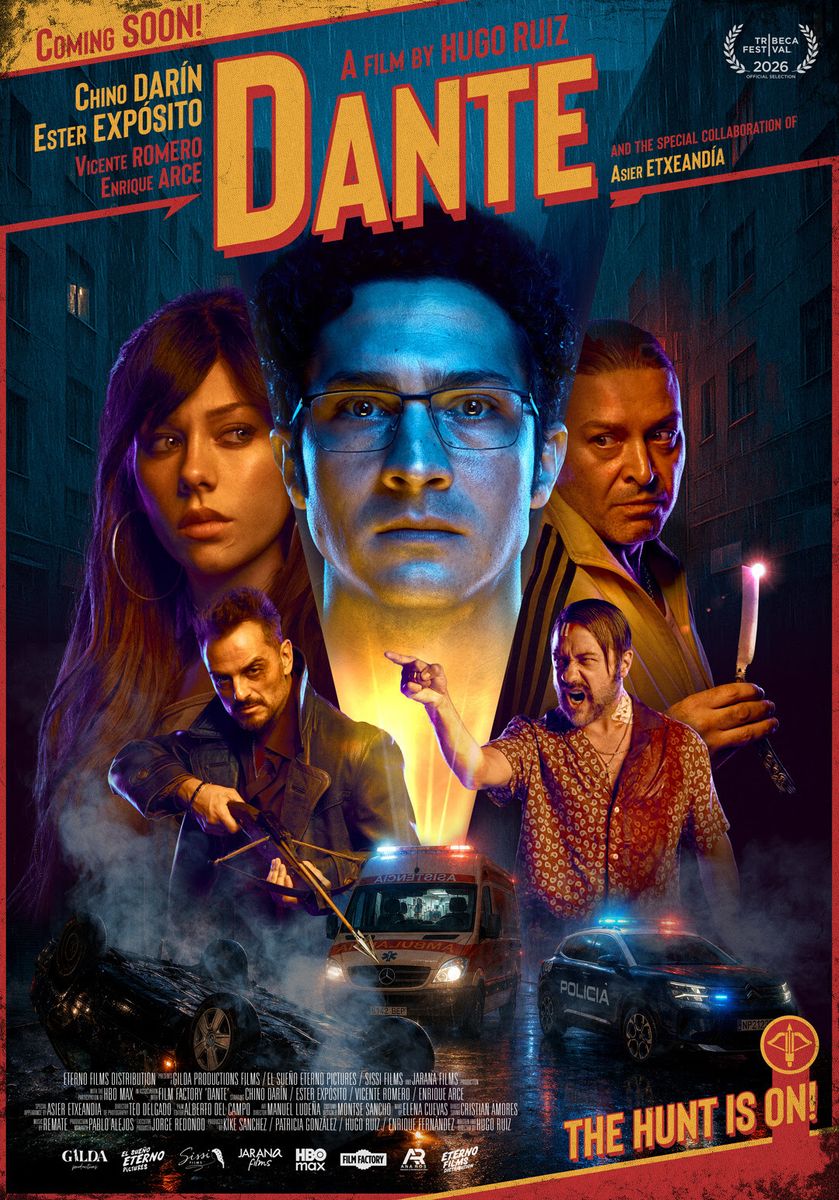
Ester Expósito and Hugo Ruiz are premiering “Dante” at the Tribeca Festival, on its 25th anniversary. The pair is introducing a creative partnership that Ruiz playfully compares to Yorgos Lanthimos and Emma Stone. “Dante,” an unhinged and propulsive crime thriller, serves as their opening statement.
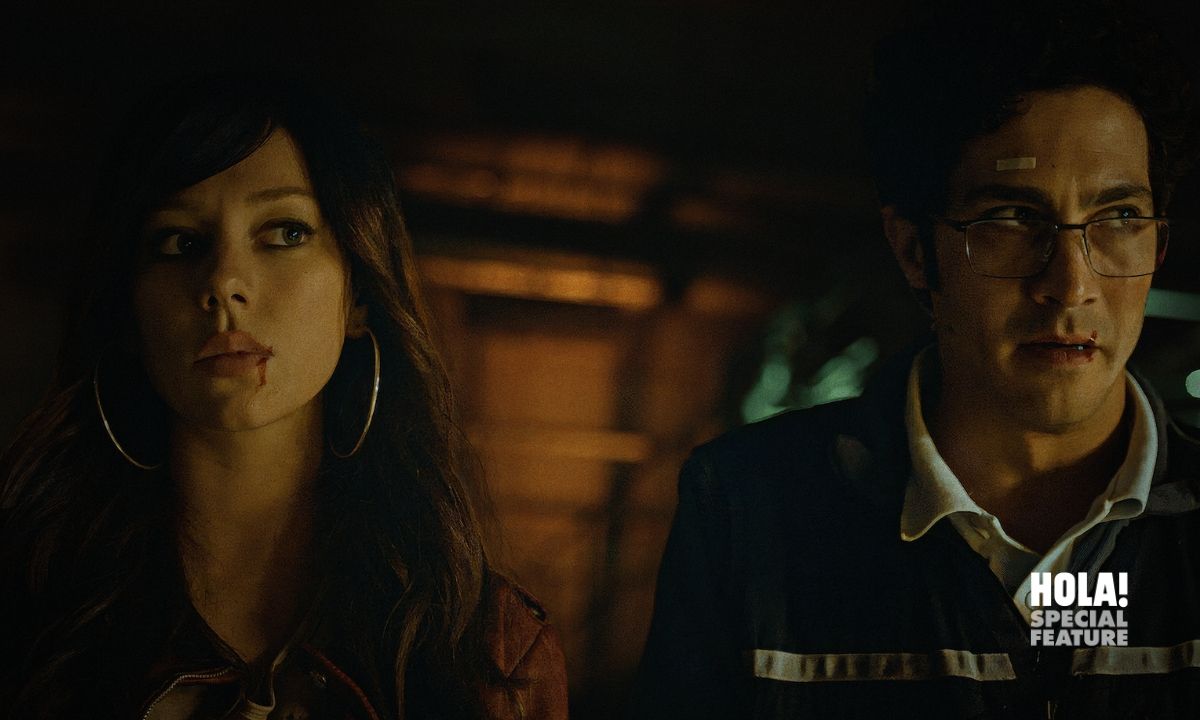
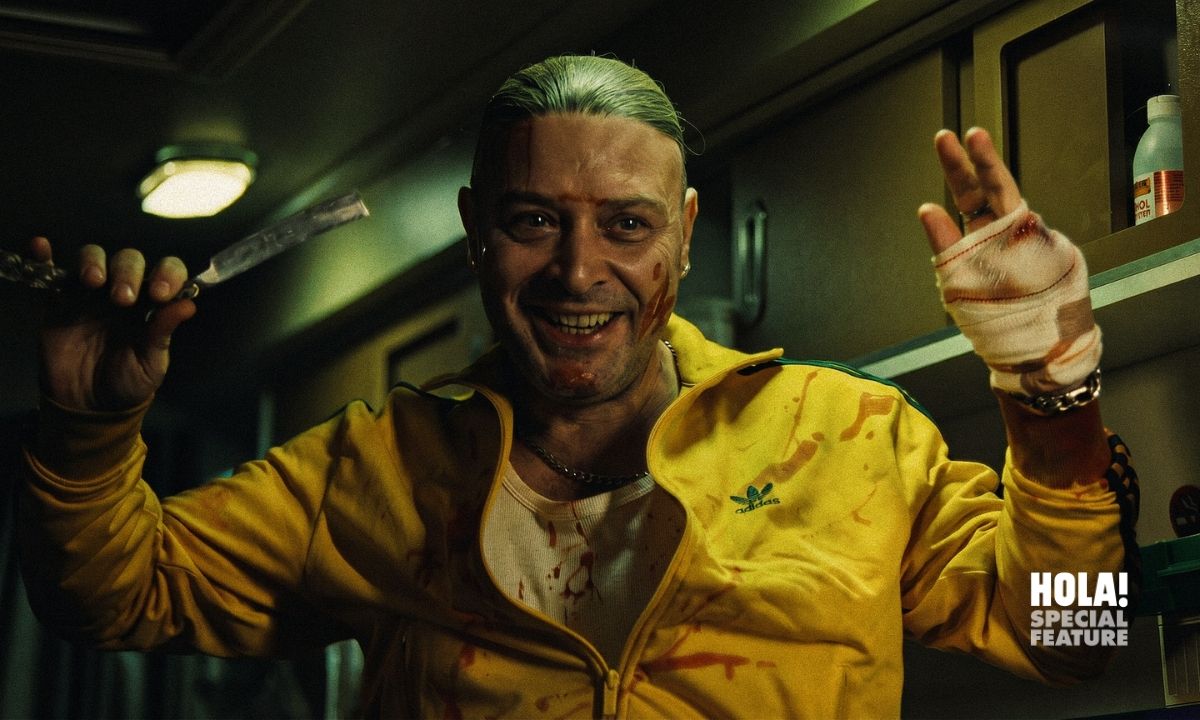
The film follows Eduardo (Chino Darín), a good Samaritan who volunteers for an ambulance service, spending his nights driving an ambulance and tending to the injured. He ends up at the apartment of a crime lord, stuck in the middle of a violent conflict he doesn’t understand, with a pair of thugs (Ester Expósito and Vicente Romero) holding him hostage over the course of a night that takes the audience to unexpected places.
Packed with punchy dialogue, gore, and twists, the film is representative of what Ruiz does best: grabbing his audience by the neck and dragging them through a gleefully deranged ride. In the case of Expósito, playing the role of Maki allowed her to play completely against type, wearing a wig and a scar and crafting a character that she’d been waiting for.
In an interview with HOLA!, Expósito and Ruiz opened up about their careers, their love of cinema, and what brought them both to this moment. They also discussed their creative partnership, which they hope to continue in Spain and perhaps with a movie shot in the US.
To start, I wanted to ask you both about your relationship with film. What drove you to make movies?
Ester: It’s funny because no one in my family has anything to do with the film industry, but since I was little, the only thing I ever wanted was to be an actress. I have memories of watching movies as a kid like Pirates of the Caribbean or The Lord of the Rings — I watched them when I was very young, I wasn’t really at the right age for those movies. Not that they’re particularly adult, but I remember being very, very little. I’d watch them, and I was fascinated by the production scale. Understanding that none of it was real, that it was a job and all make-believe — and watching the actors work, realizing that was something you could actually do for a living — always intrigued me. Telling stories and embodying characters, creating these wonderful compositions, etc.
I think that’s when I said I wanted to do what people were doing on screen. And my family got a little scared. They didn’t want me going to castings as a child because they wanted me to have a normal childhood, but they did support me in training — going to theater classes and things like that. And at 14 I started at a more professional acting school, found a manager, and from there I started doing small things.
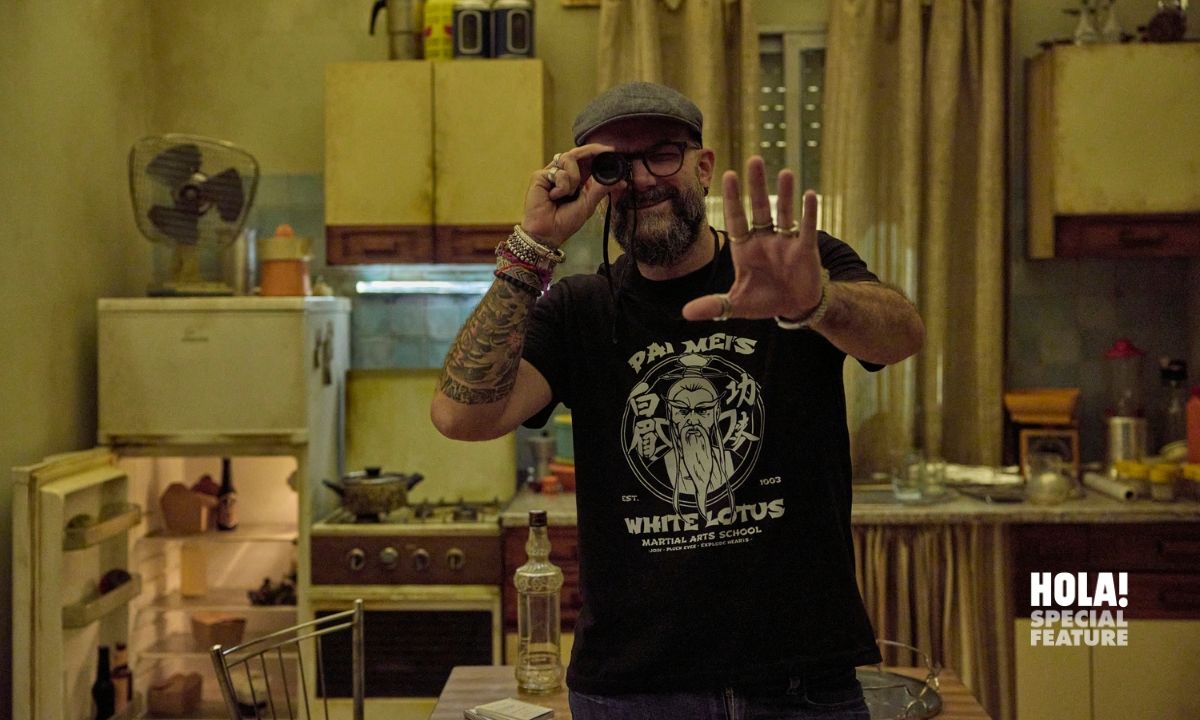
Hugo: Well, mine was about 25 years earlier (laughs). The funny thing is, she’d watch movies and say, “I want to play those characters…” I grew up watching films like E.T. and wondered how you could tell a story like that — there had to be something behind all of it. I was drawn to that side of it. And since I was a terrible student, I never really studied anything. I spent my time with my camera making short films, completely self-taught. I’ve always been obsessed with cinema. While my friends had posters of Sabrina [Salerno, a big pop star in ’90s Spain] in their rooms, I had directors — their biographies, their stories. But yes, I had that spark from a very young age, even though I had to do other things for a few years. It wasn’t until I was 32, 33 that I started making films, and well — here we are.
“Dante,” an unhinged and propulsive crime thriller
You came to Tribeca for the first time in 2023 with Una Noche Con Adela, which won you the Best New Narrative Director award. What does it feel like to come back with this film?
Hugo: It feels great. This festival, alongside Sundance, is one of the most prestigious in independent film. And even though I won three years ago, that doesn’t guarantee you’ll be back. But there was definitely a lot of anticipation for my next film. To be here for the second time, with both of my films, and on top of that, during the festival’s 25th anniversary — it’s very special.
In interviews, you’ve mentioned that the film Victoria was a reference for Una Noche Con Adela. What were your references for Dante?
In Dante you can clearly see Tarantino’s influence — I’m an absolute fan of his. If I ran into him here I’d get nervous. He’s someone I admire enormously, professionally. Scorsese too. And then there’s also a type of Spanish cinema called cine quinqui, which was big in the ’70s and ’80s and dealt with the outskirts — the kind of neighborhoods that existed in Spain back then, bank robber gangs, drugs, etc.
Comparing Adela and Dante — both take place in a single night and have those explosive character moments and twists. But they’re also very different. Dante is a bigger film. How did you approach that?
Hugo:Adela was a film born out of circumstance and almost out of necessity — very small, because we had very limited resources. Winning at Tribeca puts you in a more comfortable position for your next project. The conditions were different this time because you have more budget. And like you said, the characters are very different. For me, Dante is more of an ensemble film. Adela had all the weight on one character. It’s a different story, a different narrative — although my original idea for Dante was to shoot it in a single take, like Adela. Obviously, I scrapped that because this story needed a different approach.
Ester: It’s the most different thing I’ve done — in terms of composition, the way she speaks, the way she moves. It’s the most street, the most rough-edged character I’ve ever played. I really wanted it, I was so eager to do something like this. I think there’s something inside me that’s like that, in the way I am. Physically, it was a big change — I had a scar and all kinds of other things going on.
Hugo: I tried to make her look rough but it just wasn’t possible (laughs).
Ester: But it was great — the scar, the wig, the makeup. I really wanted to play. And working with my co-stars was fascinating. Both Vicente and Chino, who I’m with constantly in the film, had very different approaches but both incredibly interesting. And there was such a fun, positive dynamic between the three of us.
Hugo: We laughed a lot.
Ester: We laughed so much.
Hugo: Even though the shoot was intense, Vicente is like a big kid.
Ester: He’s like an animal — all instinct and heart.
Hugo: And with Ester — I thought about casting her and understood I’d be pulling her out of her comfort zone. But the first day we met, I said to myself: Maki is in her. I was completely sure. She gives a fantastic performance, unlike anything she’s done before.
Ester: I’m so excited to see it here at my first festival in the United States. I haven’t seen it yet, so the excitement is doubled. A few years ago, when I presented Venus at Toronto, I was so nervous not having seen it, and the first time watching it being in a theater with an audience. But now those things actually give you an extra thrill.
I also wanted to ask about the future. Ester, what do you want to do next? Do you approach your roles project by project, or with your whole filmography in mind?
Ester: I go project by project, choosing carefully. It’s a privilege, but also a responsibility — because ultimately it’s what shapes your career and your image. I try to strike a balance, because I became known through something very commercial, aimed at teenagers, so I can’t abandon that audience and those fans who are incredibly loyal and just pivot to indie or horror films they won’t see because it won’t reach them. So I try to balance things that keep me working and allow me to take time off when nothing calls to me, while also keeping that community close. And then also doing what excites and challenges me — things like this. Auteur cinema, wild stories, characters that are nothing like anything people have seen from me, that draw out new things and push me.
I’d love to have a long career, above all in film, and a varied one — working with the best directors. Like any actor, I think. But I’d also like to write. I don’t know if I’d write something entirely alone, I don’t know if I’d direct, but I want to develop stories I want to tell as an actress. Use other paths to create characters and stories I actually want to be part of. Build my own stage. A lot of the time it’s boring just waiting for the right story and character to come along. I think a lot of us end up thinking: what if it never comes — so I’ll create it myself.
Hugo: In my case, we’re already developing my next film. I’ve been offered a film here in the United States and it looks very promising, but I’m holding off because there’s a story already in my head — and Ester is going to be in it. We’re going to work together again. Ester is a complete professional, she picks up on everything instantly, and she’s a spectacular actress. I already told her: I’ll be her Yorgos Lanthimos and she’ll be my Emma Stone (laughs).
Ester: Please!
Hugo: The film is a drama, nothing like what I’ve done before. But I think it’s a very compelling story. I’ll wait a couple of years to make the American film.



 © Getty Images
 © Getty Images
 © Courtesy
 © Courtesy
 © Courtesy
 © Courtesy