

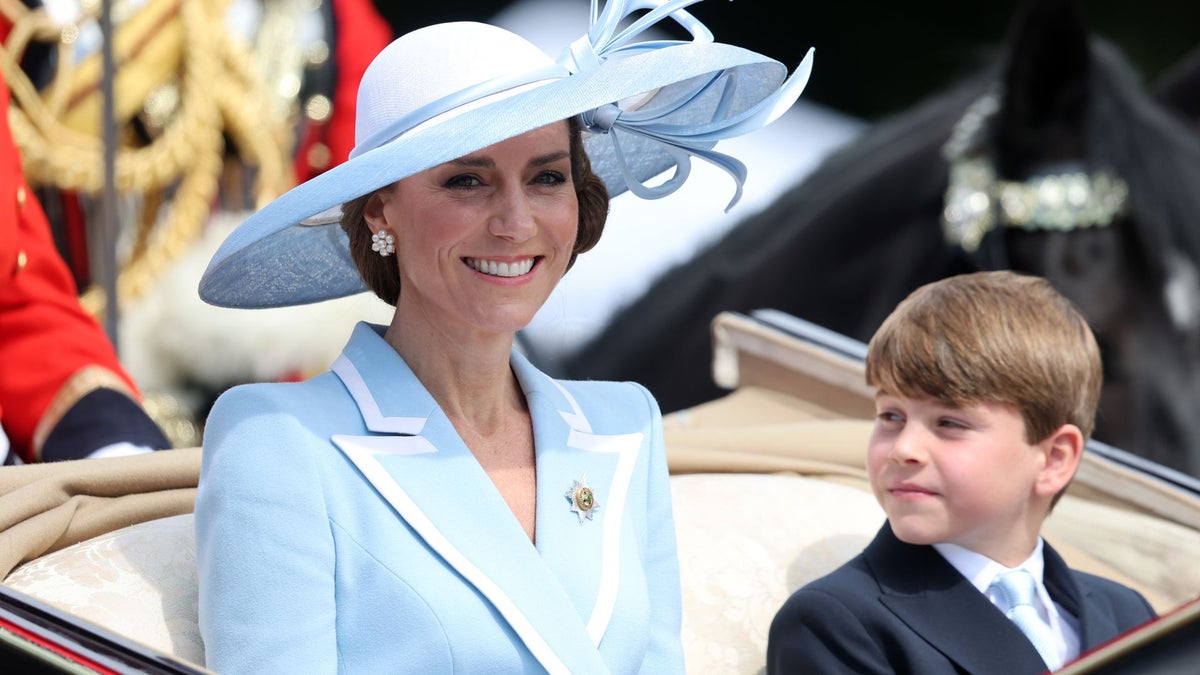

Trooping the Colour is a tradition that has stood the test of time and become part of a nation’s identity. On June 13, 2026, London once again hosted the grand military parade celebrating the official birthday of King Charles III. With more than two centuries of history, the ceremony brings together the most prominent members of the British royal family for one of the most anticipated events on the royal calendar.
And, as has been the case every year since her 2011 wedding to Prince William, all eyes once again turned to Kate Middleton. The Princess of Wales attended alongside Prince William and their three children—George, Charlotte, and Louis—for an occasion that holds particular significance for her. Not only was this the event where she made her emotional return to public life in 2024 following cancer treatment, but the celebration has also become a true showcase of royal style.
 © Getty Images
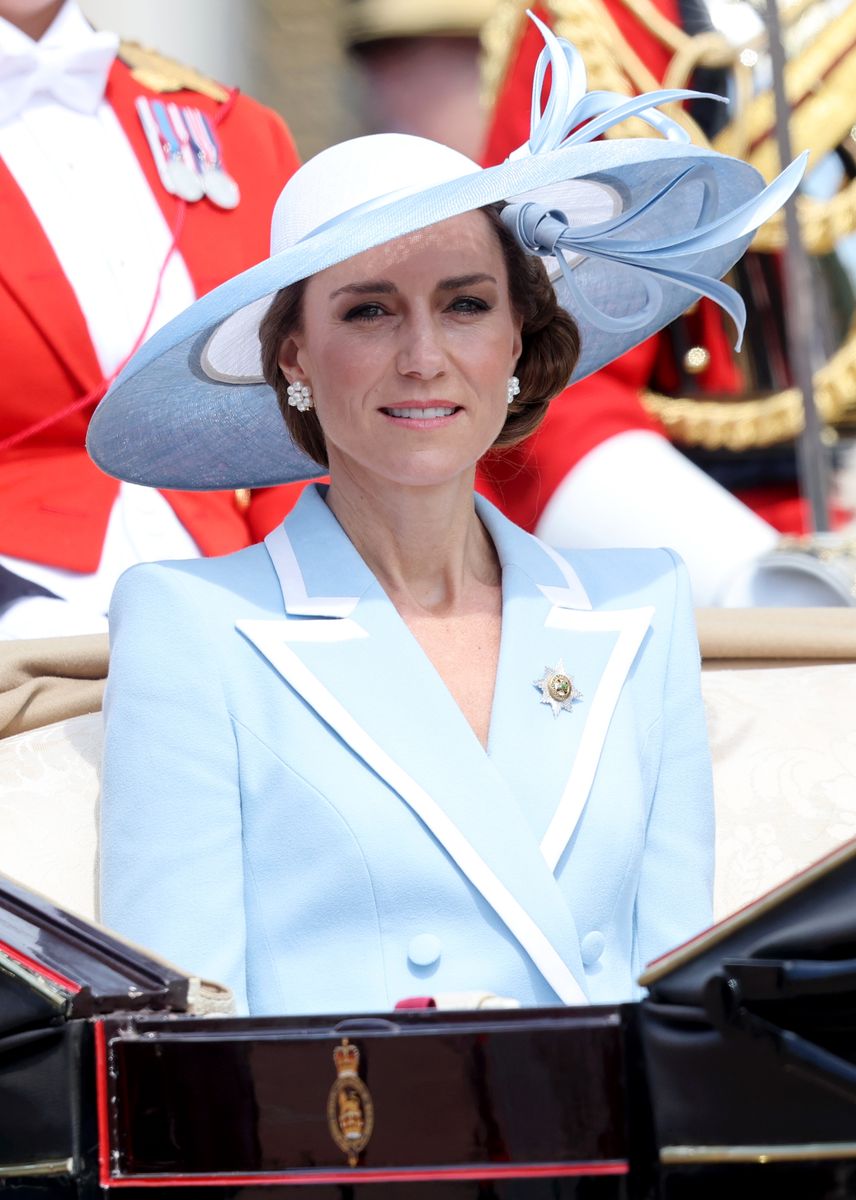
This year, she opted for an elegant sky-blue and white ensemble, a choice that carries far more significance than it might seem at first glance.
Kate Middleton’s Pastel Blue Dress Speaks the Language of Royalty
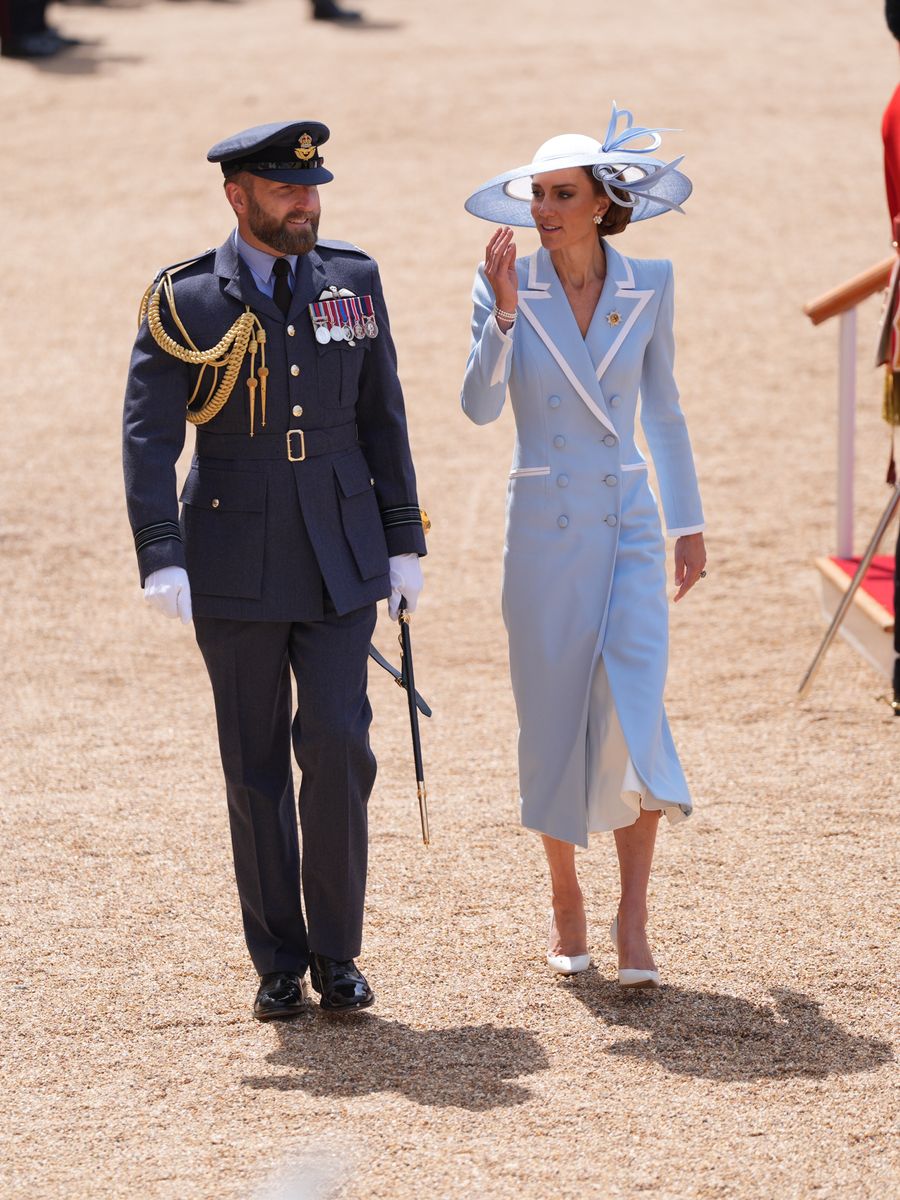
For this year’s event, Kate Middleton chose a sophisticated sky-blue outfit, a shade closely associated with diplomatic dressing, the practice of using fashion as a tool of institutional communication.
 © PA Images via Getty Images
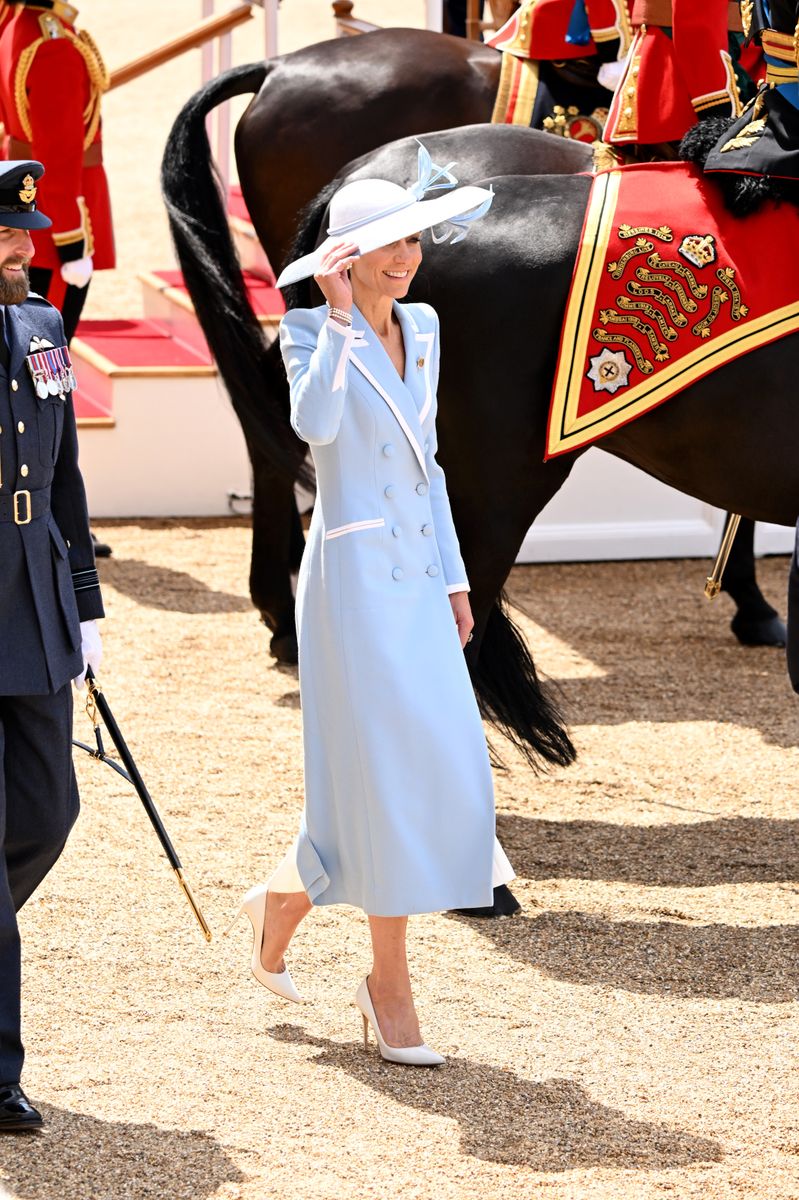
The design stood out for its impeccable tailoring and its classic, refined silhouette, perfectly aligned with the traditions of the British monarchy. Pastel blue dominated the look, while the lapels were trimmed with white piping, adding contrast, brightness, and an especially elegant touch.
 © Getty Images
One of the most interesting details appeared on those lapels: a carefully placed brooch that broke up the monochromatic palette and added historical depth to the outfit, a signature element of the Princess of Wales’s public appearances.
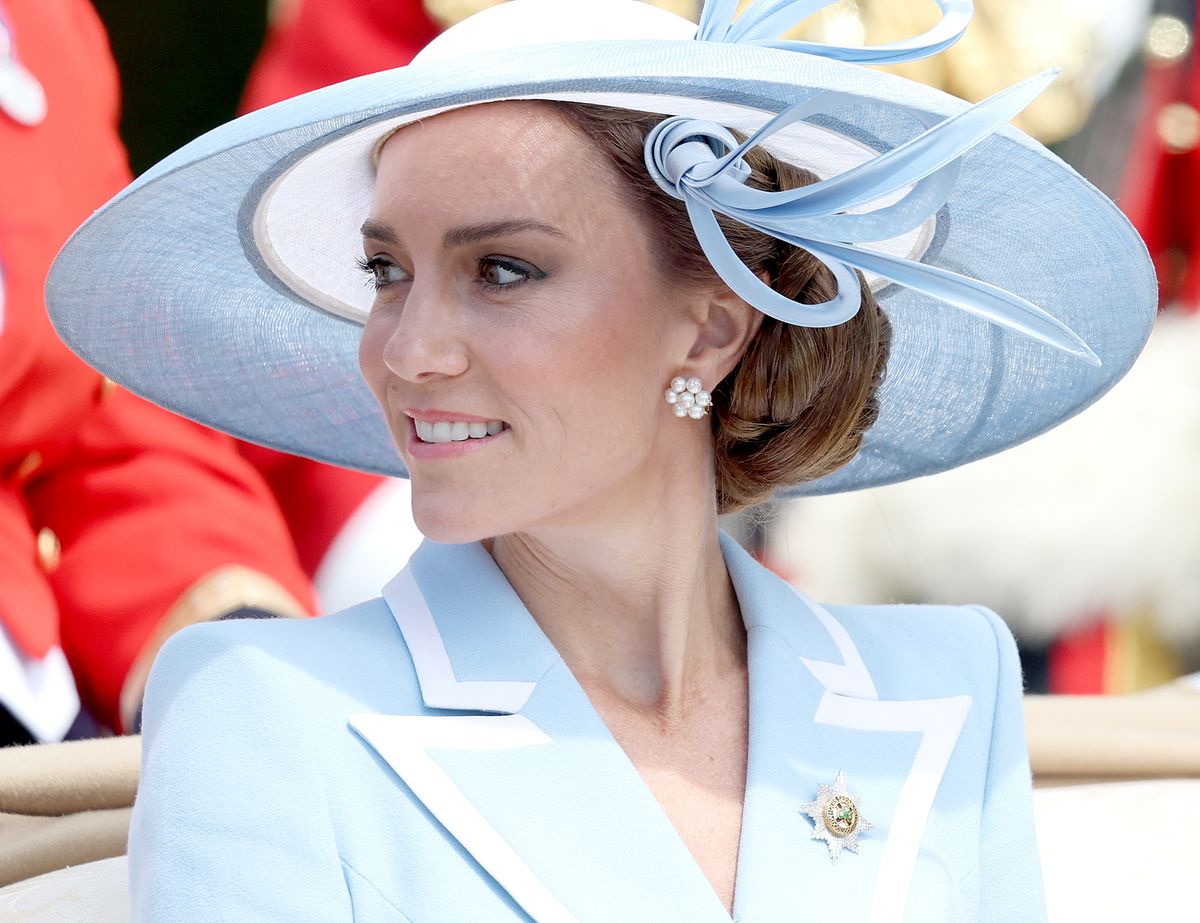 © Getty Images
The choice of blue also seemed far from accidental. In color psychology, blue symbolizes trust, stability, and serenity. Softer shades such as sky blue and baby blue convey an even warmer message, suggesting calm, approachability, and quiet optimism—qualities modern royal families often seek to project.
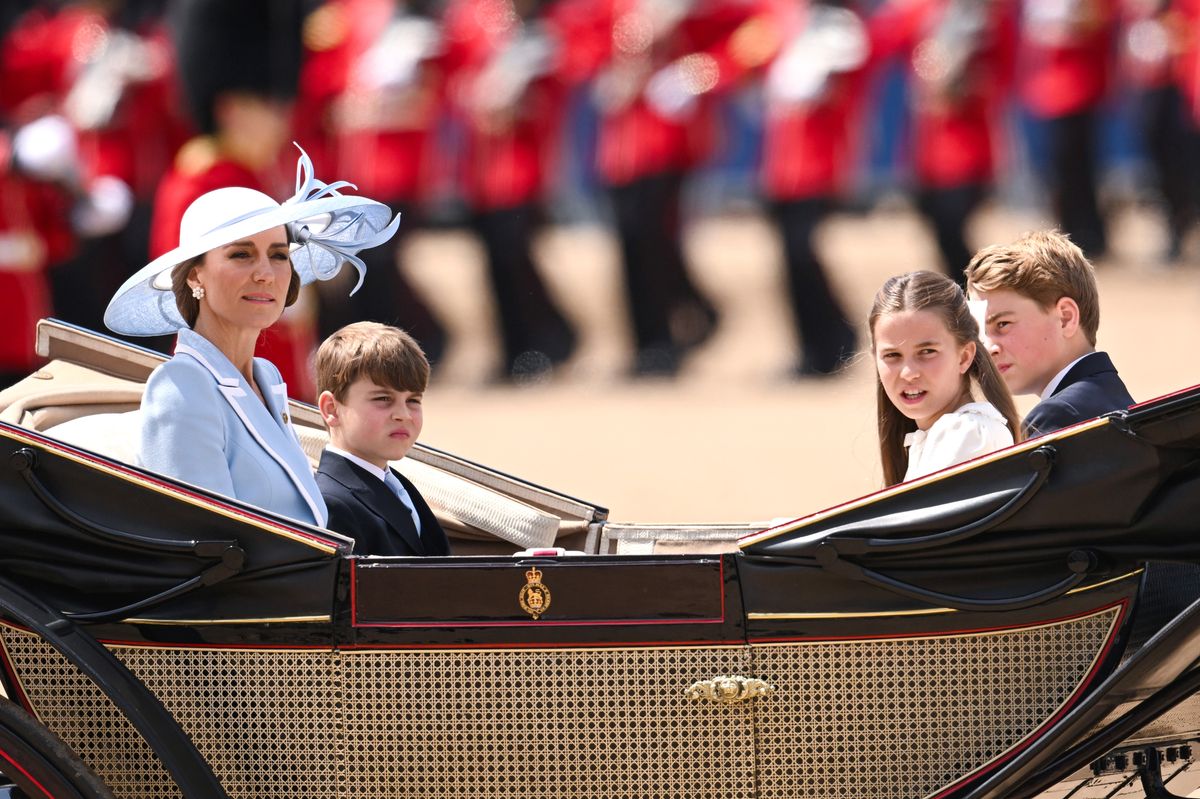 © Getty Images
The Hat, Jewelry, and Accessories That Completed the Look
As tradition dictates at Trooping the Colour, the hat once again played a starring role. Kate chose a large statement piece in the same pastel blue as her dress, creating a perfectly coordinated look. The design featured a striking bow-inspired detail that added volume and sophistication without competing with the rest of the ensemble.
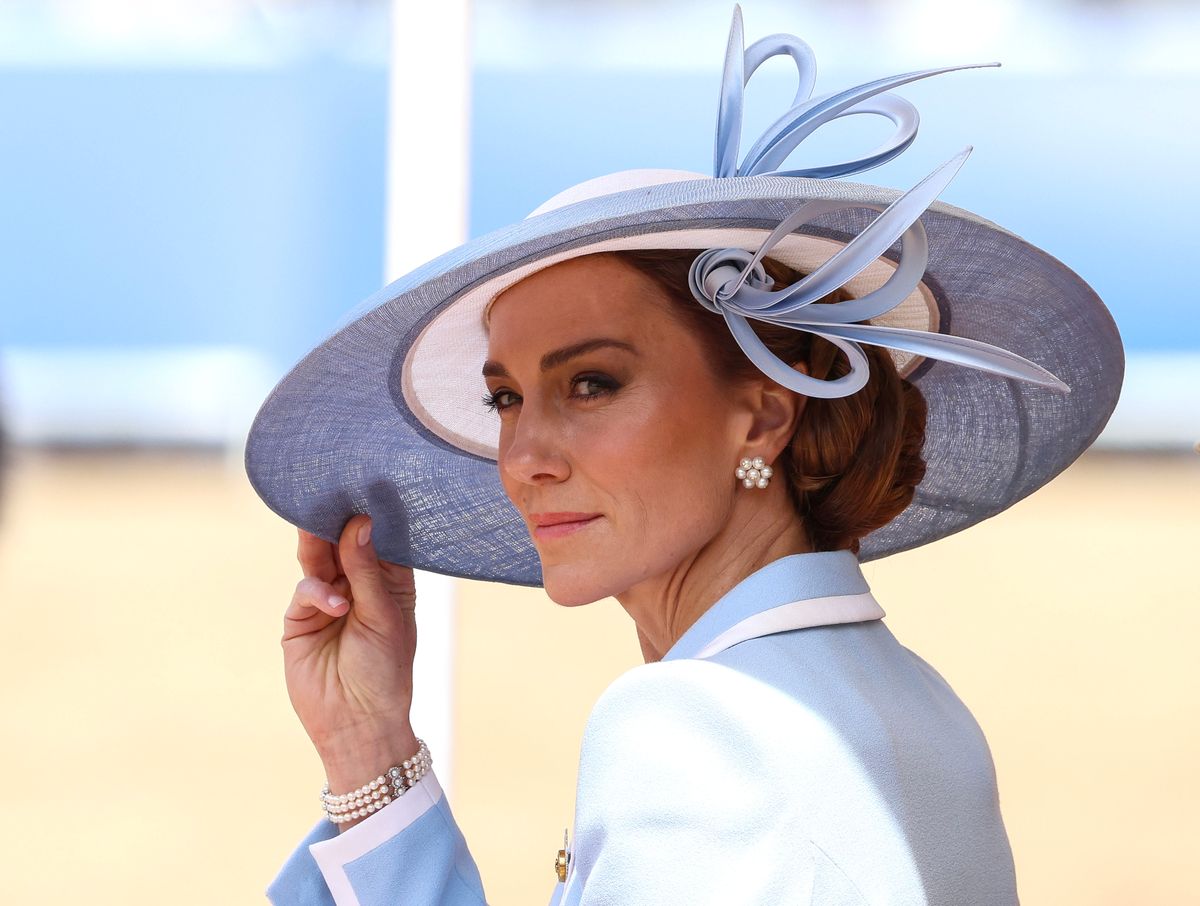 © Mike Marsland/WireImage
For jewelry, the Princess selected floral earrings by Cassandra Goad, a choice that complemented the soft, feminine character of the outfit. As is often the case with her official appearances, the pieces added sparkle and refinement without drawing attention away from the overall look.
Also drawing attention was a spectacular brooch, the Irish Guards Regiment insignia that Kate Middleton regularly wears for Trooping the Colour.
Her beauty look followed the same balanced approach. Natural makeup, radiant skin, and an elegant, understated finish reinforced the sophisticated image that has become synonymous with the future queen.
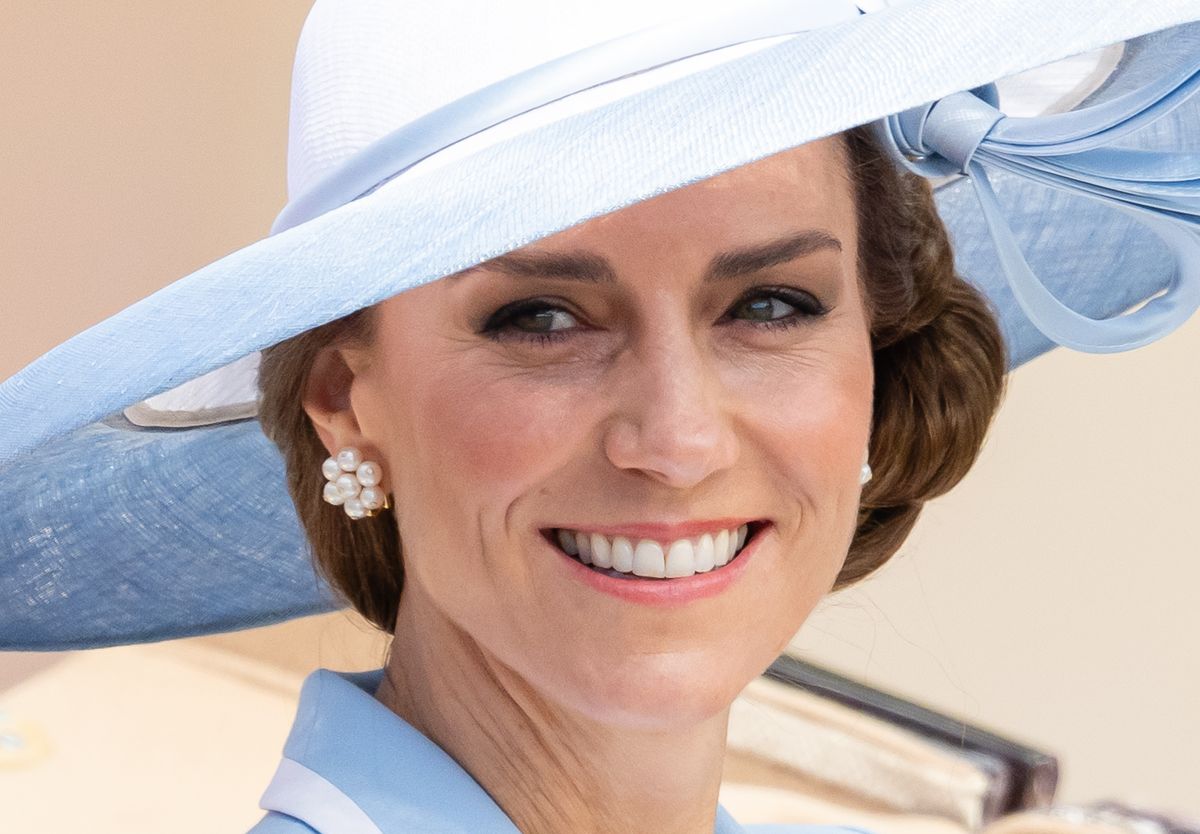 © Samir Hussein/WireImage
From Aquamarine in 2025 to Sky Blue in 2026
This year’s choice continued an interesting style narrative from the look Kate wore to Trooping the Colour in 2025.
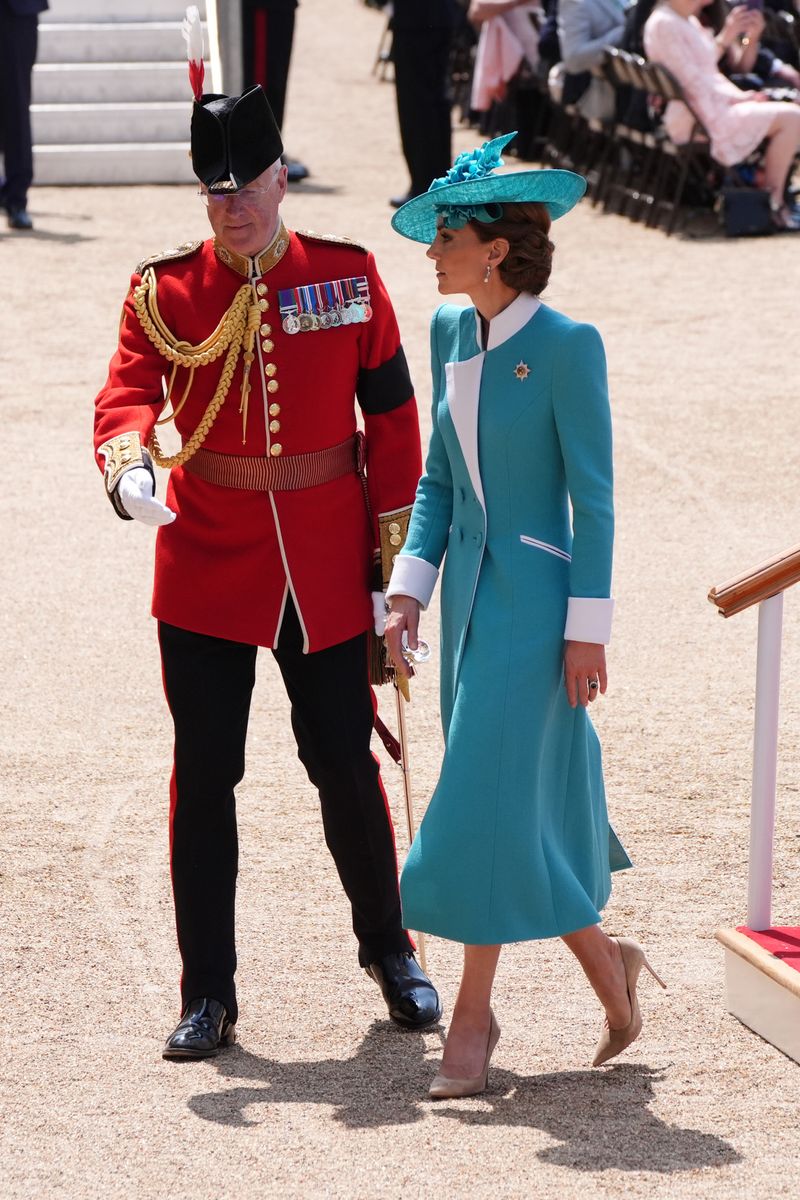 © PA Images via Getty Images
That year, she debuted an aquamarine coatdress by Catherine Walker, the Bria design, which also featured white detailing. She coordinated her outfit with Princess Charlotte’s, further reinforcing the family-focused visual storytelling the Waleses execute so effectively.
The ensemble was completed with a Juliette Botterill hat and historic pearl earrings associated with both Queen Elizabeth II and Diana, Princess of Wales.
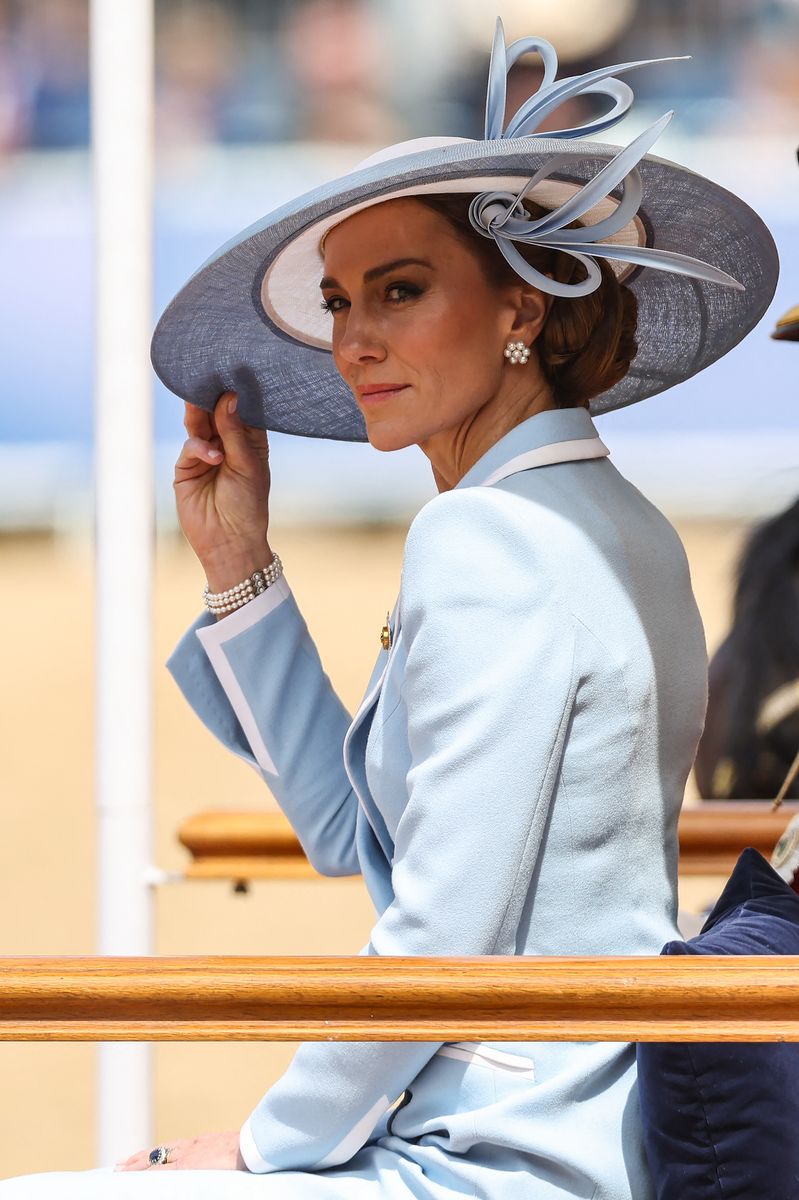 © AFP via Getty Images
A year later, the Princess has remained loyal to the blue color family, though she softened the shade into a flattering sky blue that further strengthens the symbolic dimension of the look.
What Is Trooping the Colour and Why Is It Celebrated?
While many people know it simply as the King’s Birthday Parade, Trooping the Colour is one of the United Kingdom’s oldest military ceremonies.
Its origins date back to the 18th century, although some sources trace similar practices even earlier. The term refers to the moment when regimental flags were displayed to soldiers so they could recognize them on the battlefield.
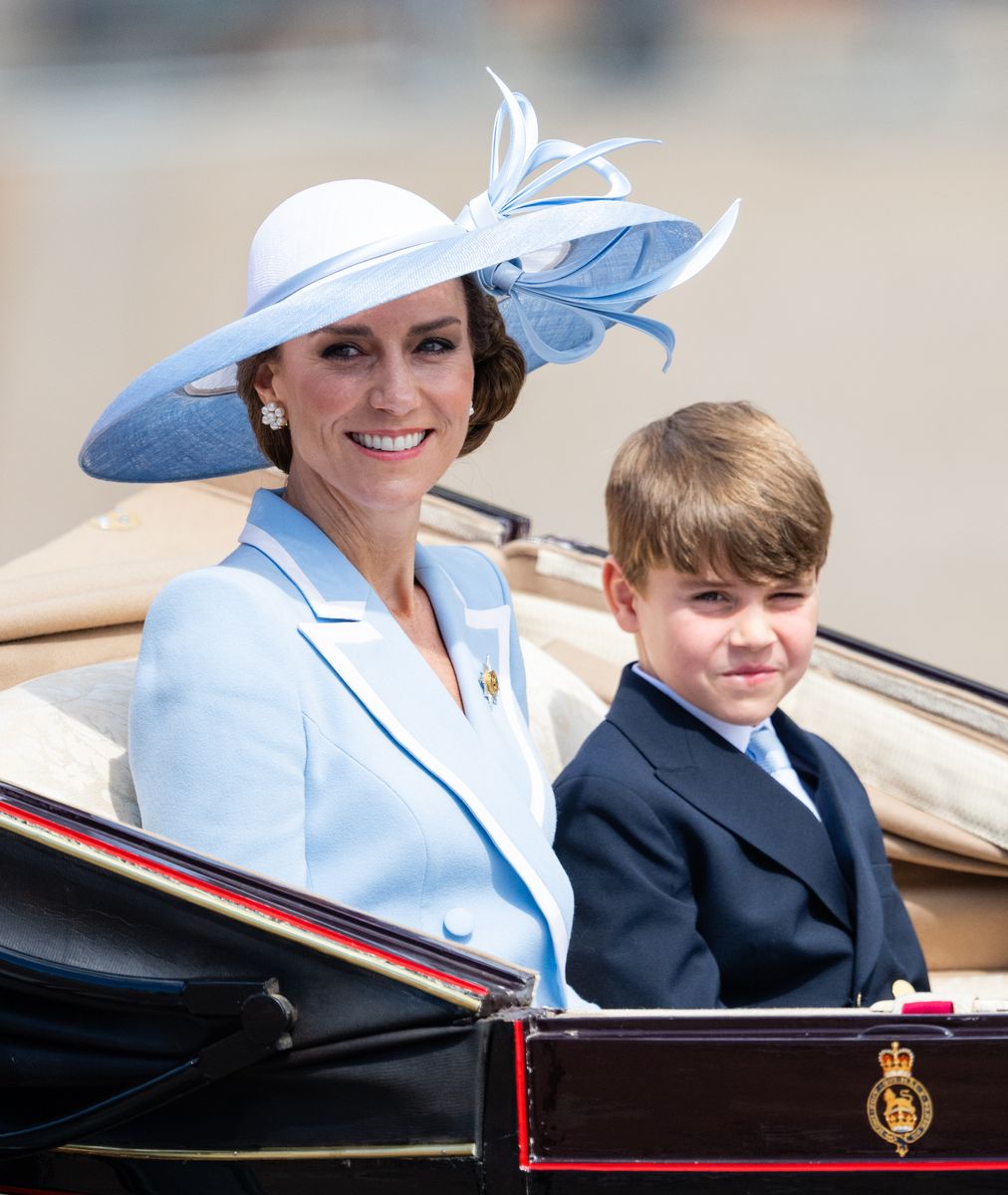 © Samir Hussein/WireImage
Since 1748, the ceremony has been used to celebrate the official birthday of the British monarch, and following the accession of George III in 1760, it became an annual tradition.
The Meaning Behind One of Britain’s Great Ceremonies
The Colours, or regimental flags, represent the honor, history, and identity of each military unit.
Although they are no longer used in combat, they remain among the most respected symbols in the British Army. In 2026, the honor of carrying the Colour fell to the 1st Battalion of the Grenadier Guards, one of the country’s most prestigious military units.
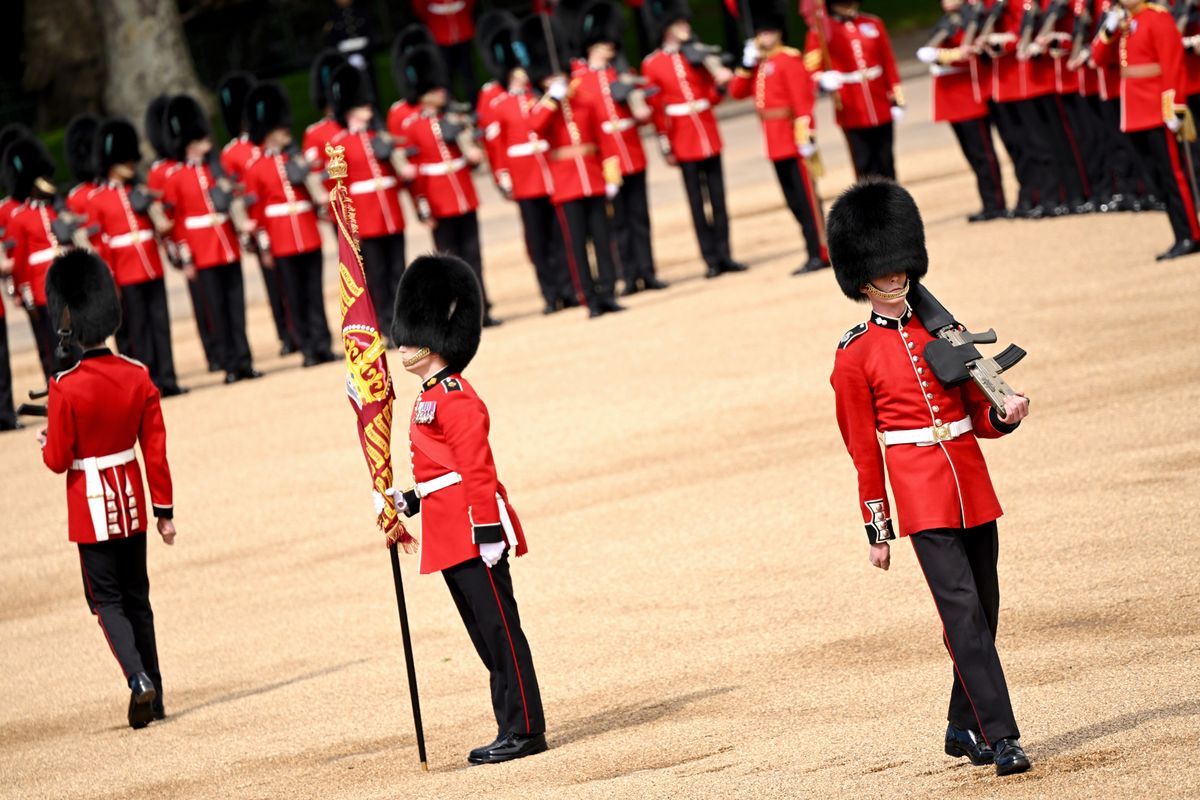 © Getty Images
The ceremony blends military tradition, national history, and institutional representation, making it one of the most significant events in the British monarchy’s calendar.
Members of the Royal Family Who Take Part Each Year
Trooping the Colour typically brings together the senior working members of the House of Windsor. This year’s participants included King Charles III and Queen Camilla, the Prince and Princess of Wales, Princess Anne, the Duke and Duchess of Edinburgh, and the Duke and Duchess of Gloucester, as well as young George, Charlotte, and Louis.
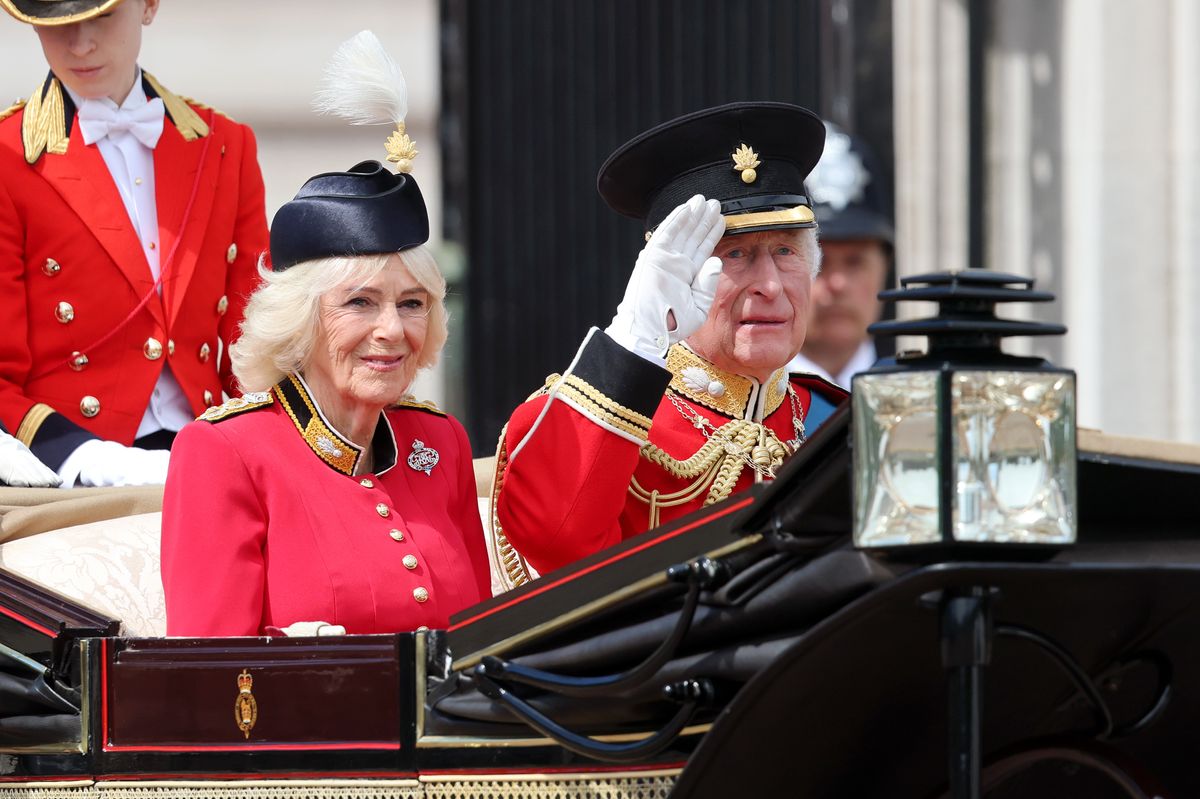 © Getty Images
The final appearance on the Buckingham Palace balcony remains one of the most eagerly anticipated moments of the day, especially when it concludes with the Royal Air Force’s traditional flypast.
A Centuries-Old Tradition and Another Style Masterclass from Kate Middleton
At a ceremony where history, protocol, and symbolism are constantly intertwined, Kate Middleton once again demonstrated why her appearances generate such widespread interest both in the United Kingdom and beyond.
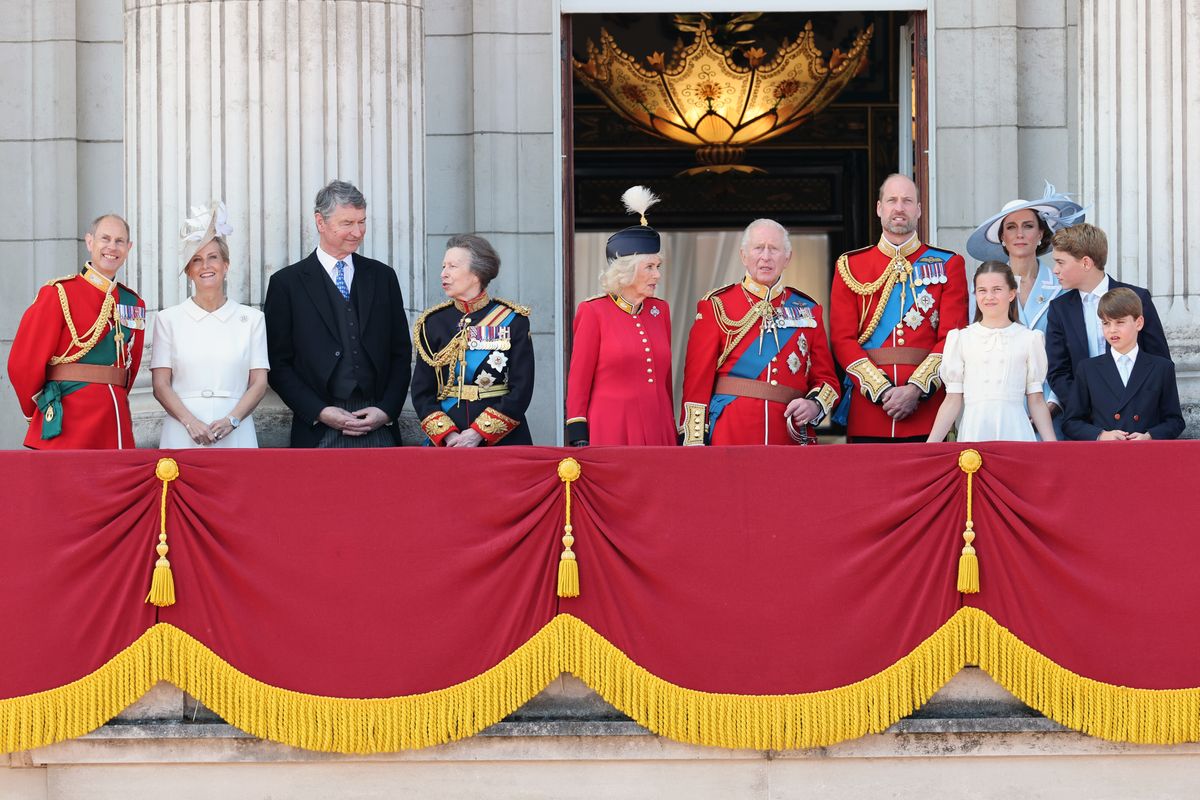 © Getty Images
The Princess of Wales has once again struck a balance between tradition and modernity through a carefully crafted look in which sky blue served not only as a flattering aesthetic choice but also as a powerful tool of communication.
Read the full article here