

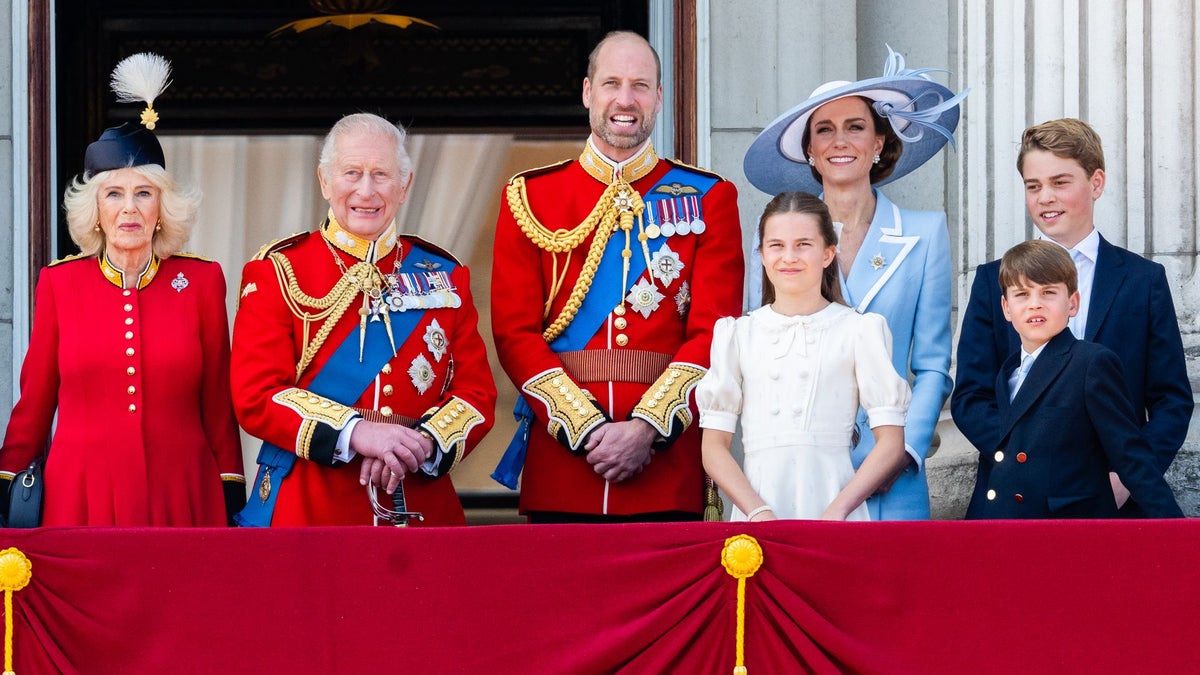

The British royal family is celebrating another major occasion this Saturday. Just one week after gathering for the royal wedding of Peter Phillips, Princess Anne’s son, and Harriet Sperling, an event attended by nearly every member of the family except Prince Andrew, his ex-wife Sarah Ferguson, and the Duke and Duchess of Sussex, who no longer participate in either official or family Windsor events, attention now turns to Trooping the Colour, the biggest royal event of the year.
After several turbulent years in which both King Charles’s health and that of the future queen, Kate Middleton, have shaped the royal agenda and influenced this annual parade, the Prince and Princess of Wales and their children continue to solidify their place as central figures in the future of the British monarchy.
 © Getty Images
The Numbers Behind the Grand Military Spectacle
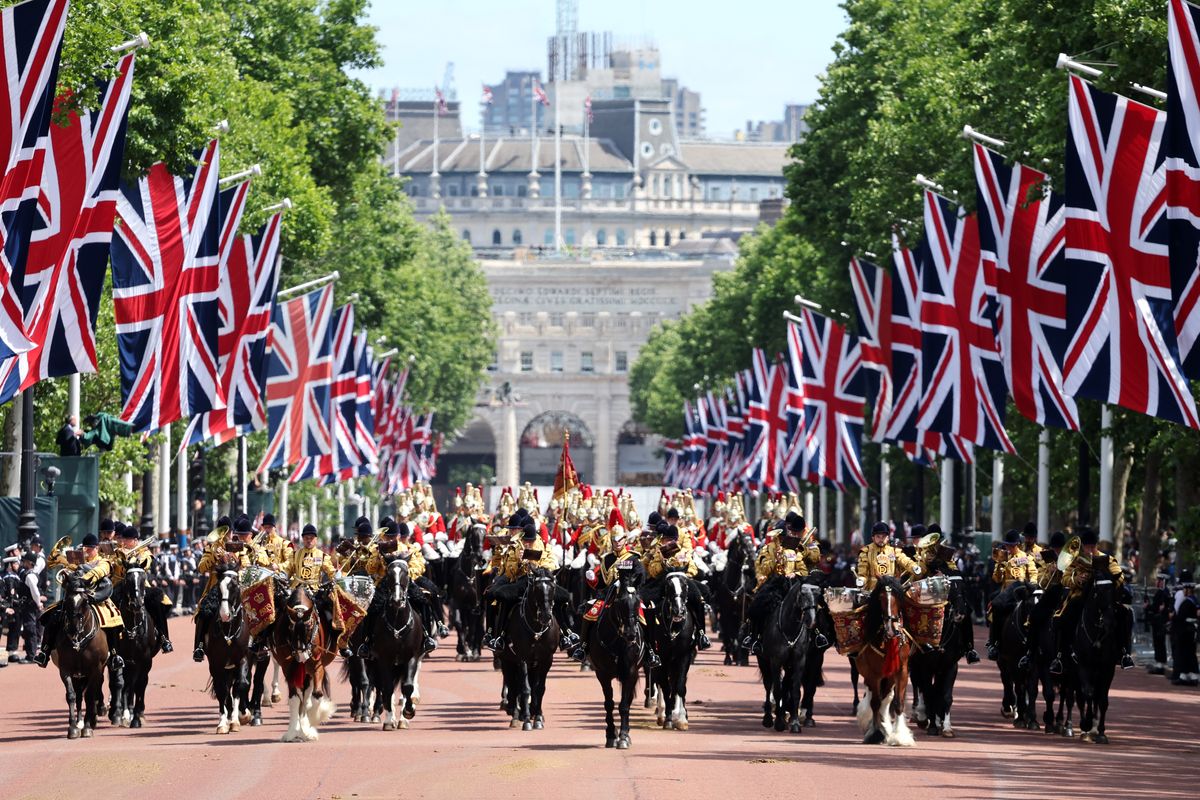
This year’s parade features 1,300 soldiers, 300 military musicians, and 250 officers stationed along London’s The Mall to provide security and coordinate the participating regiments. Another 200 horses, ridden by units including the King’s Troop Royal Horse Artillery and the Household Cavalry Mounted Regiment, also take part.
 © Getty Images
This year, the 1st Battalion Grenadier Guards presents its regimental color to the King, continuing a tradition that rotates among regiments. The troops perform precise formations in historic uniforms rich in symbolism, most notably the iconic bearskin hats.
The Prince and Princess of Wales Arrive
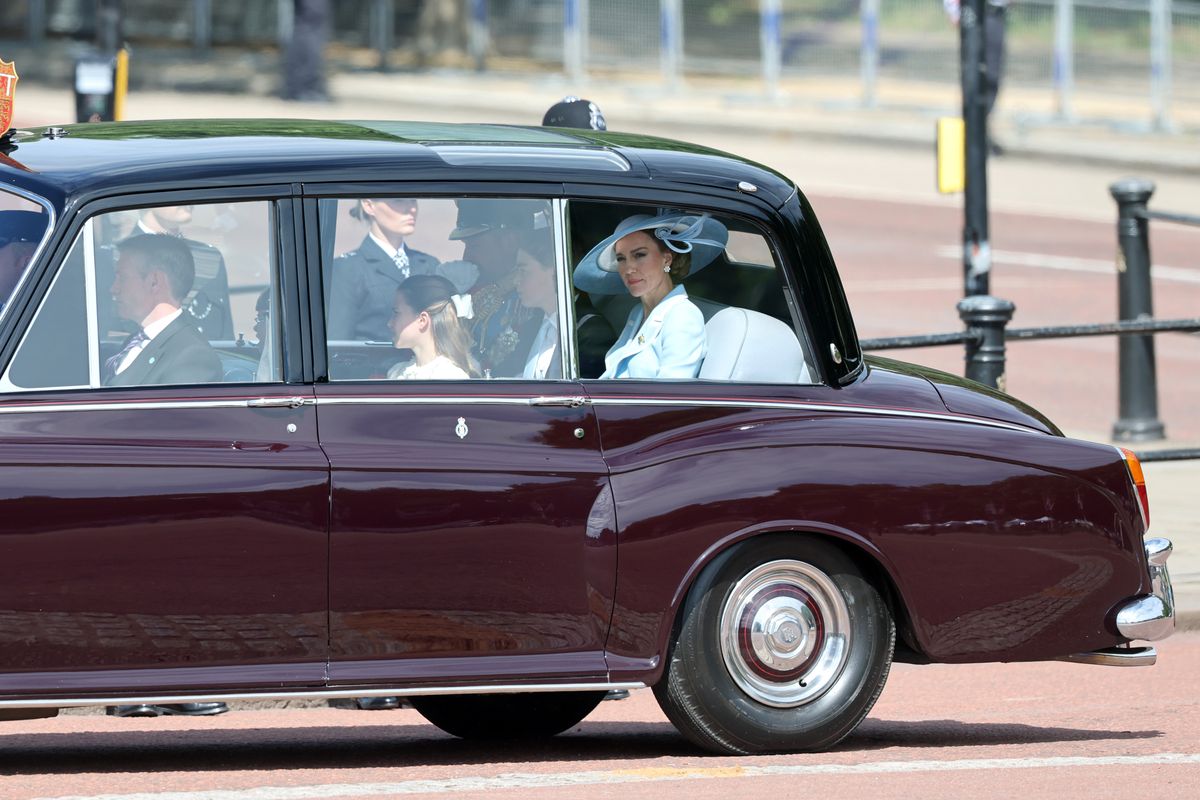
At around 11 a.m., the Prince and Princess of Wales arrived in a burgundy Bentley state car accompanied by their three children.
 © Getty Images
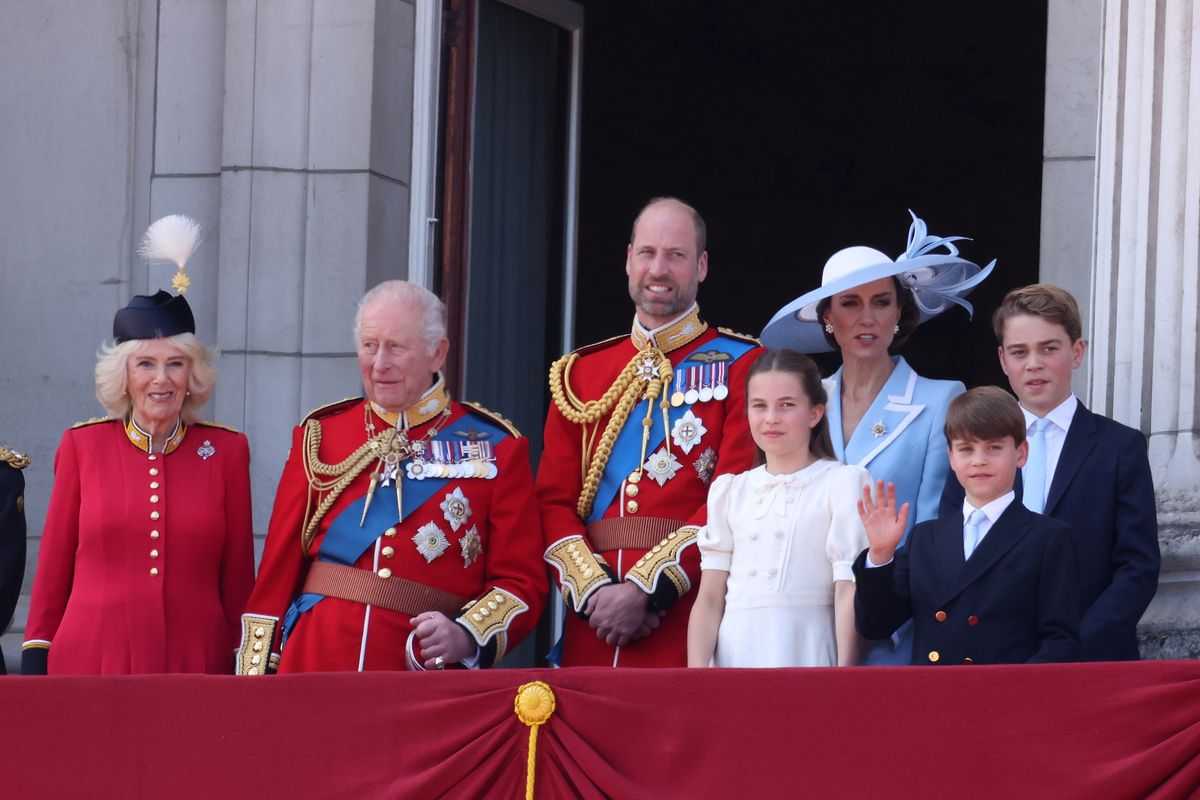
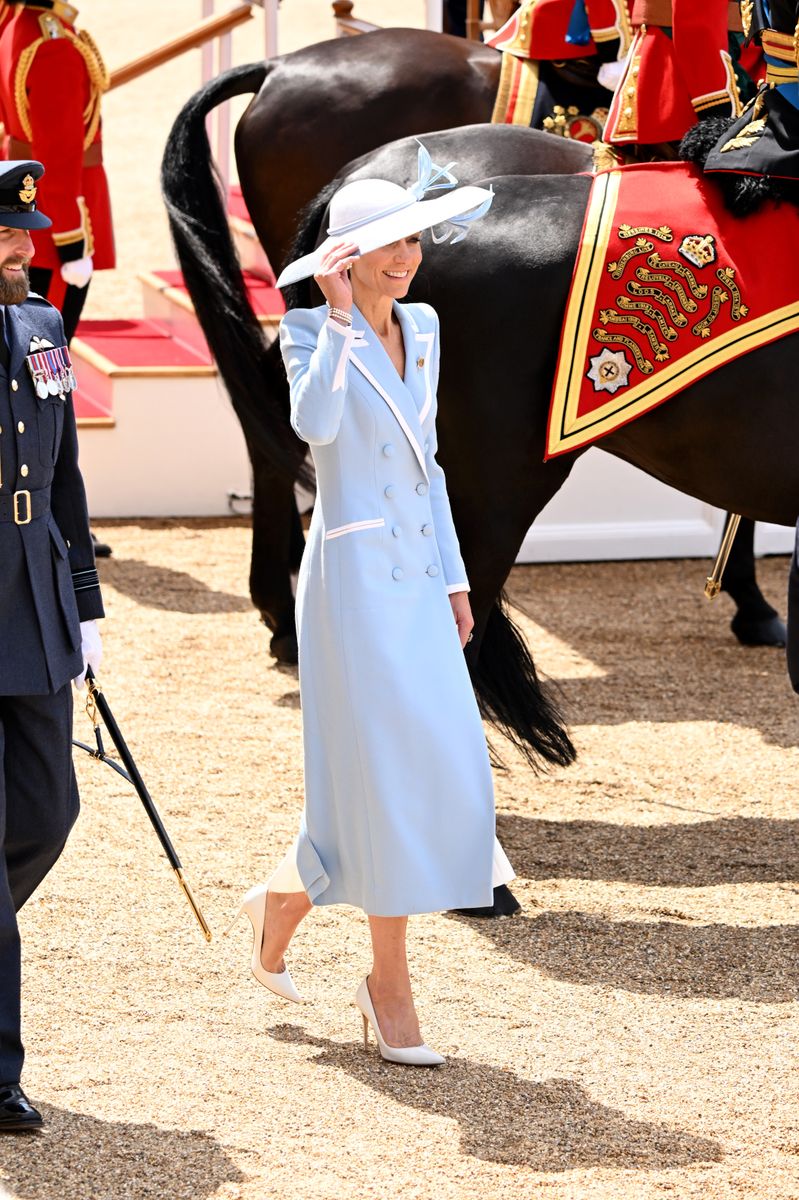
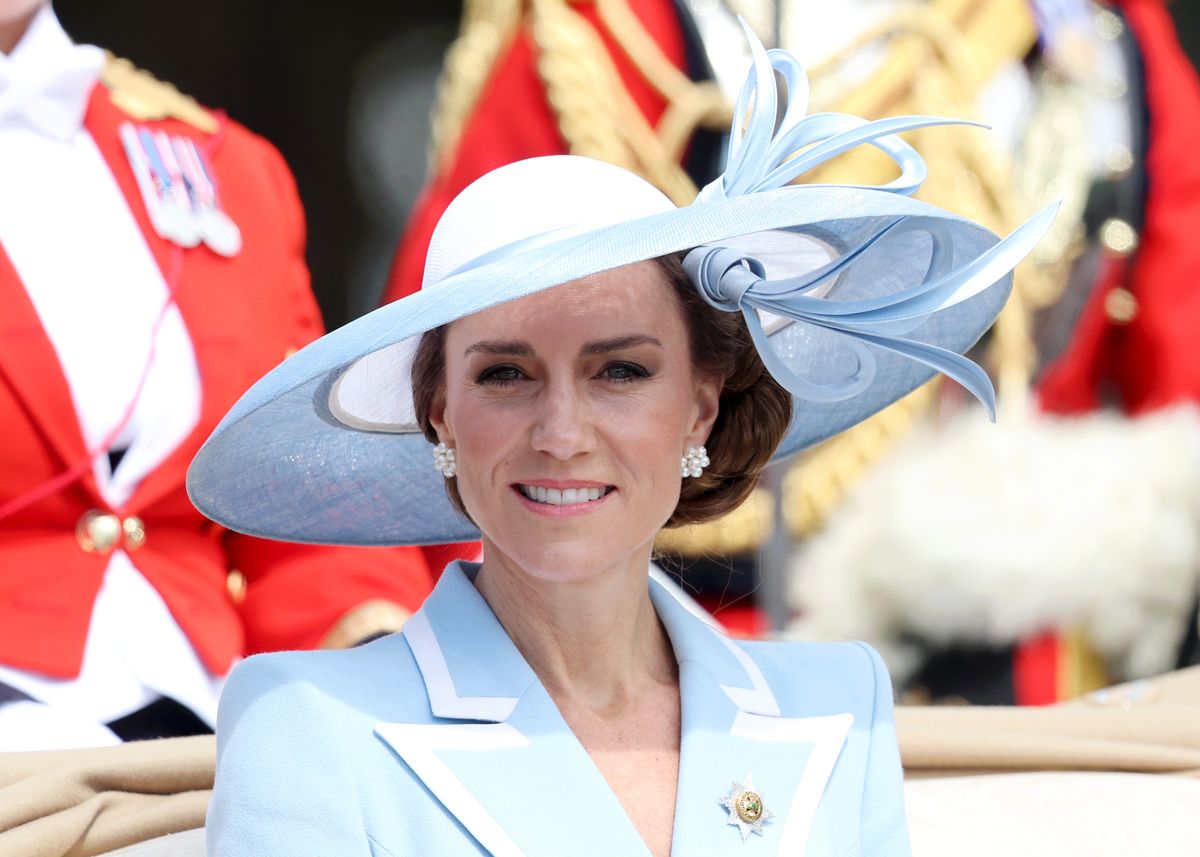
Kate Middleton chose a sky-blue Catherine Walker coatdress, one of her favorite designers, featuring white-trimmed lapels and a wide-brimmed Philip Treacy hat—ideal for the sunny weather in London. She accessorized with the Cassandra Goad earrings she first wore at Prince Louis’s christening in 2018.
 © Getty Images
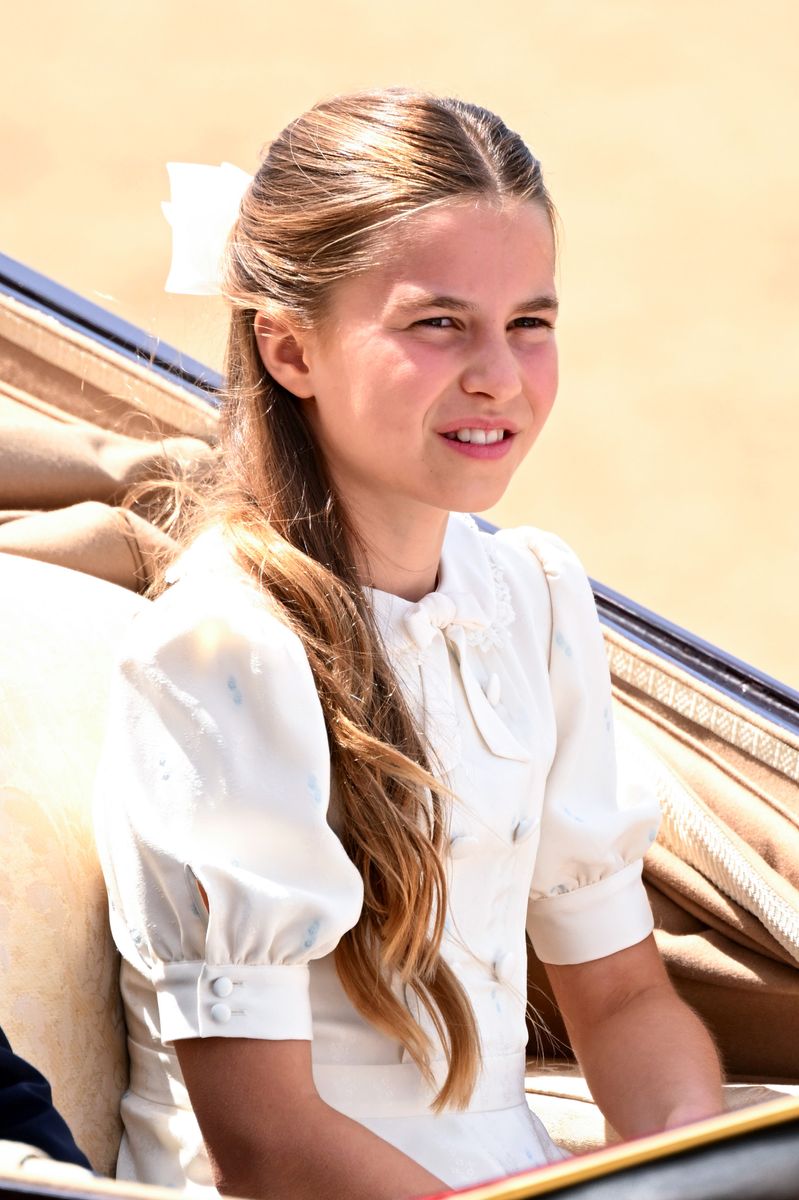
Princess Charlotte wore a white dress paired with a matching bow that complemented her half-up hairstyle. In a coordinated touch, both Prince George and Prince Louis wore ties in the same pale blue shade as their mother’s outfit.
 © Getty Images
For the third consecutive year at Trooping the Colour, the Princess of Wales wore the Irish Guards brooch on her lapel. Kate became Colonel of the Irish Guards in December 2022, inheriting the prestigious military appointment from Prince William following Queen Elizabeth II’s death.
 © Getty Images
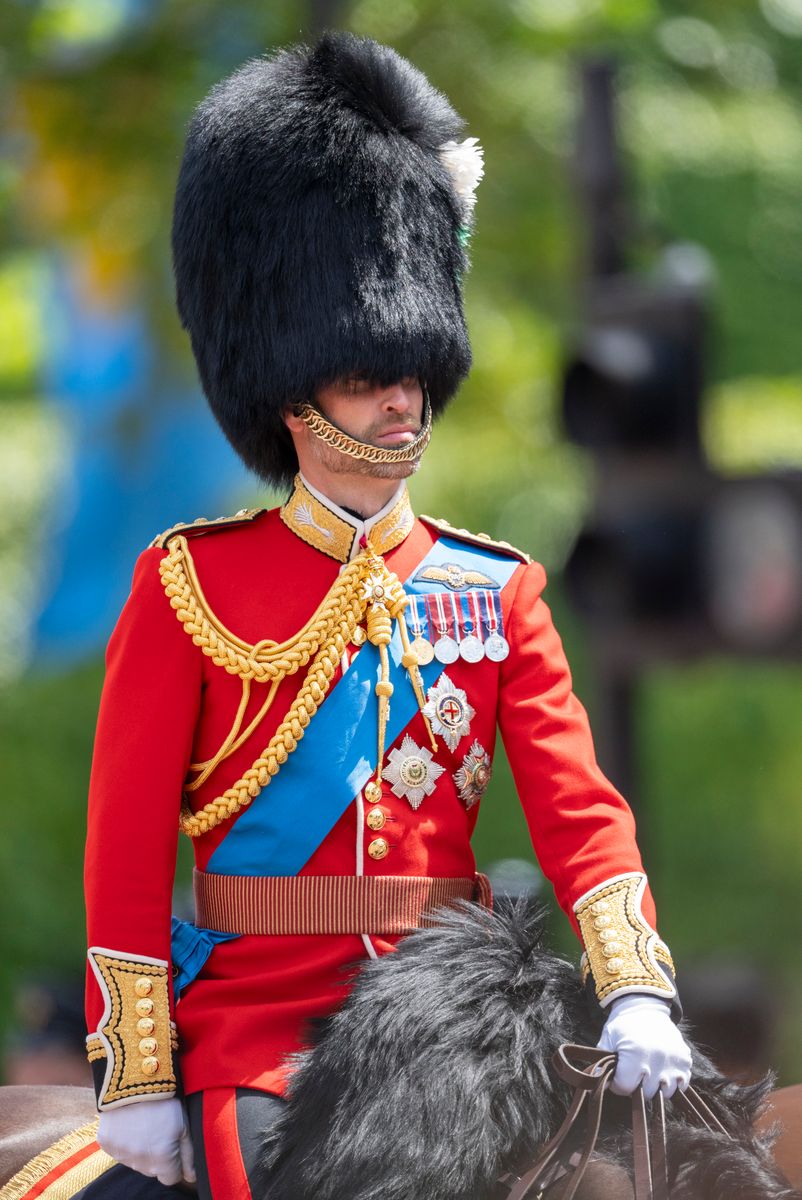
Prince William, Colonel of the Welsh Guards, wore the regiment’s full ceremonial uniform. He also displayed the sash of the Most Noble Order of the Garter, complete with the Lesser George insignia, and carried a Welsh Guards sword. His decorations included the Golden, Diamond, and Platinum Jubilee medals, along with the Coronation Medal.
 © UK Press via Getty Images
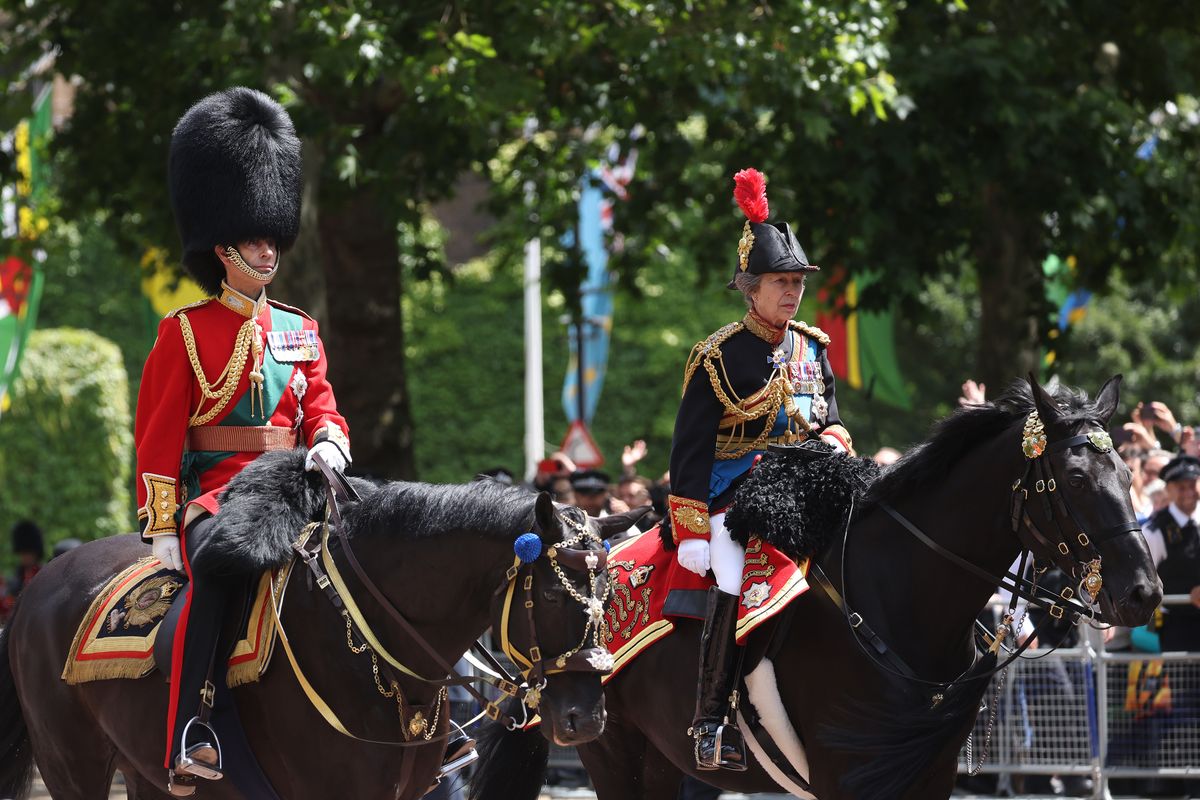
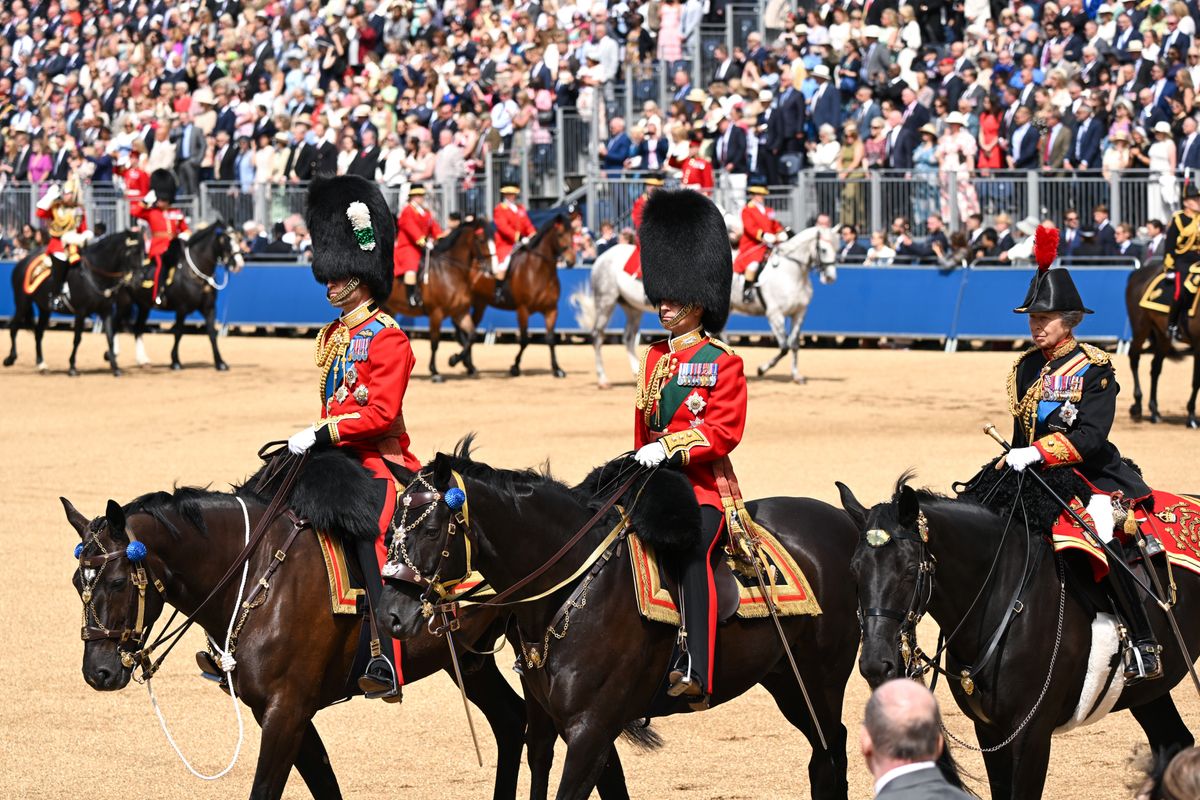
As is customary, the heir to the throne took part in the parade on horseback, riding Darby. His aunt, Princess Anne, rode her favorite horse, Noble, while his uncle, Prince Edward, rode Sir John.
How the Parade Unfolds
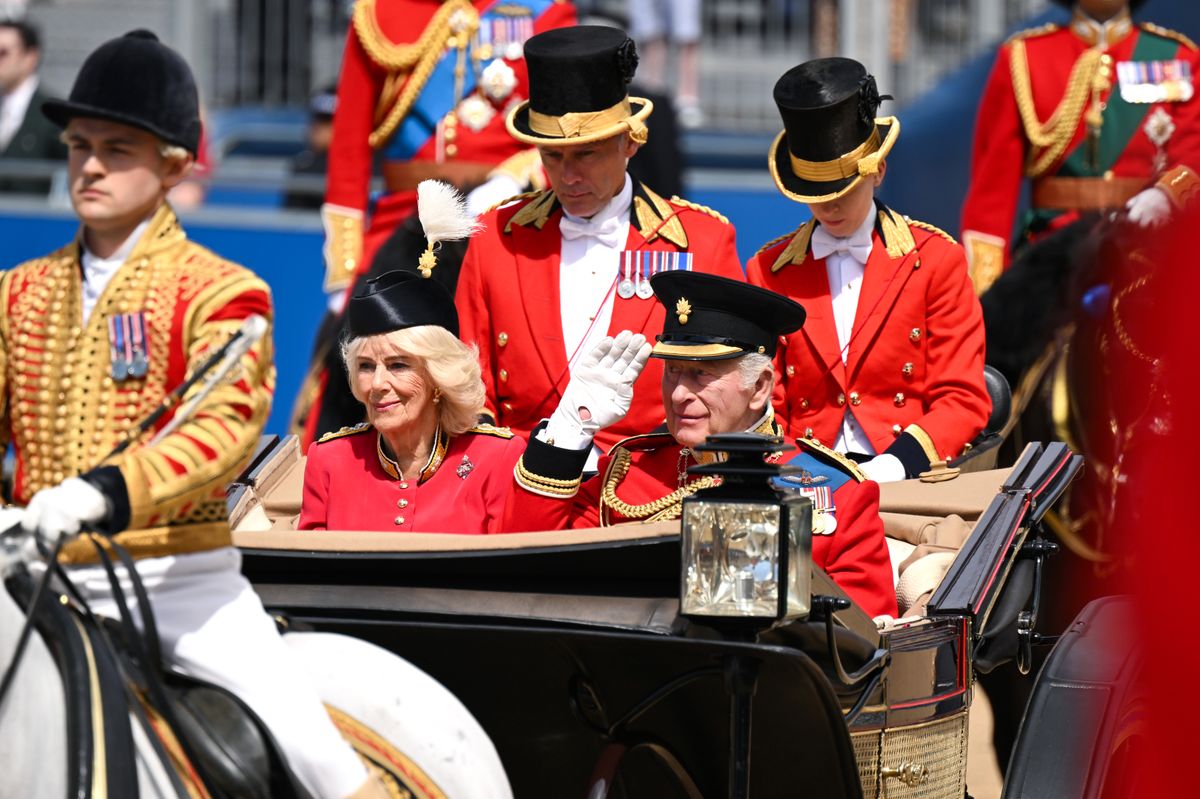
Although King Charles III once participated in Trooping the Colour on horseback, he has traveled by carriage in recent years following his cancer diagnosis.
He now rides in an open-top landau carriage. The Ascot Landau is one of only five preserved in the Royal Mews, having been acquired during Queen Victoria’s reign. Small, elegant, and brightly painted, it also appears each year in the Royal Ascot carriage procession and is typically pulled by the famous Windsor Grey horses.
 © Getty Images
These horses play a significant role in royal ceremonial life and have pulled carriages for British monarchs and senior royals since the Victorian era.
 © Getty Images
Meanwhile, Prince William, Princess Anne, and Prince Edward continue to ride on horseback. Other members of the royal family, including Kate and her children George, Charlotte, and Louis, travel in the historic carriages.
 © Getty Images
At the start of the ceremony, the King receives a royal salute at Horse Guards Parade, accompanied by a 41-gun salute fired from Green Park by the King’s Troop Royal Horse Artillery. He then inspects the troops before the Foot Guards bands perform a military march.
The King and Queen Make Their Entrance
King Charles and Queen Camilla also arrived by state car before transferring to an open carriage at Buckingham Palace.
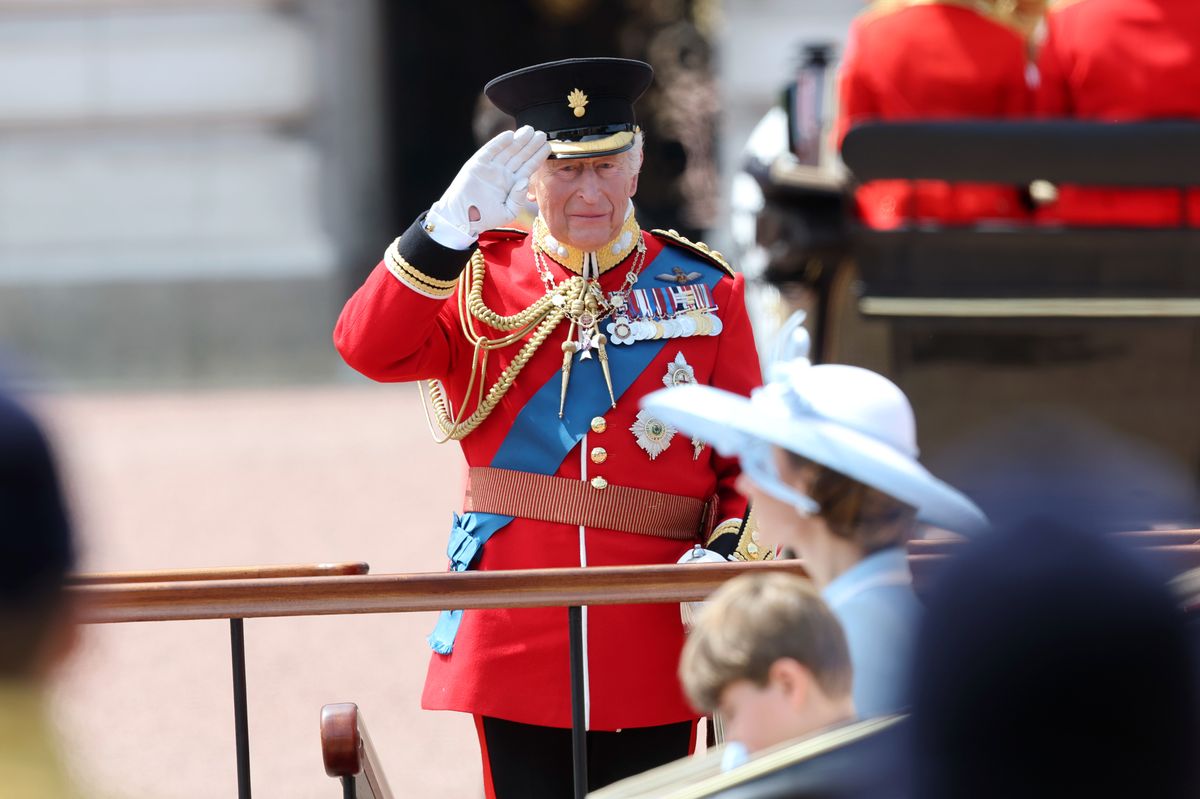
As Head of the Household Division, the King wore the uniform of the Grenadier Guards, the regiment carrying the sovereign’s standard. He also displayed numerous honors, including New Zealand’s Queen’s Service Order; Queen Elizabeth II’s Coronation Medal; Silver, Golden, Diamond, and Platinum Jubilee medals; a Long Service and Good Conduct Medal; a Canadian Forces decoration; the New Zealand Commemoration Medal; and the New Zealand Armed Forces Medal.
He additionally wore the sashes of the Order of the Garter, the Order of the Thistle, and the Order of the Bath.
 © Getty Images
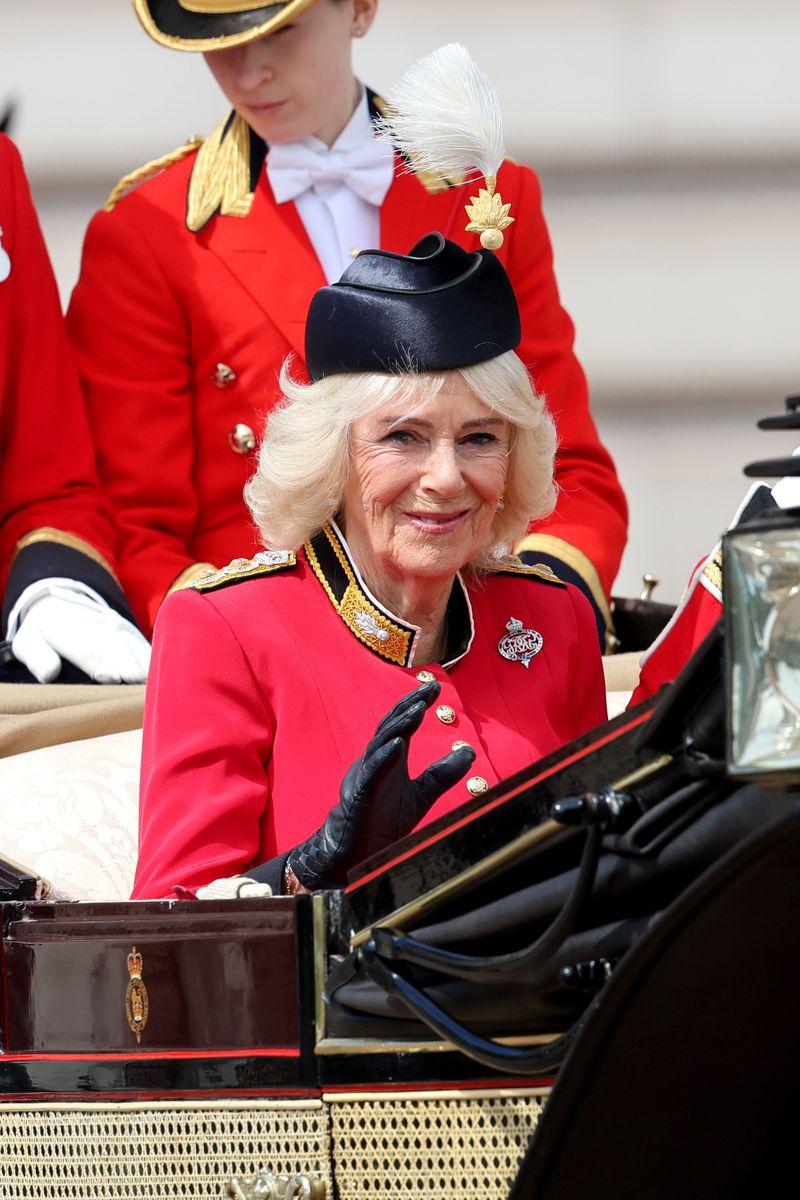
Queen Camilla paid tribute to the regiment in a Fiona Clare dress, paired with a black Philip Treacy hat adorned with a white feather, the Grenadier Guards cap badge, and a regimental brooch.
 © Getty Images
Kate’s Second Major Appearance Since Her Trip to Italy
Following Peter Phillips’s wedding, this marks Kate Middleton’s second major public engagement of the spring.
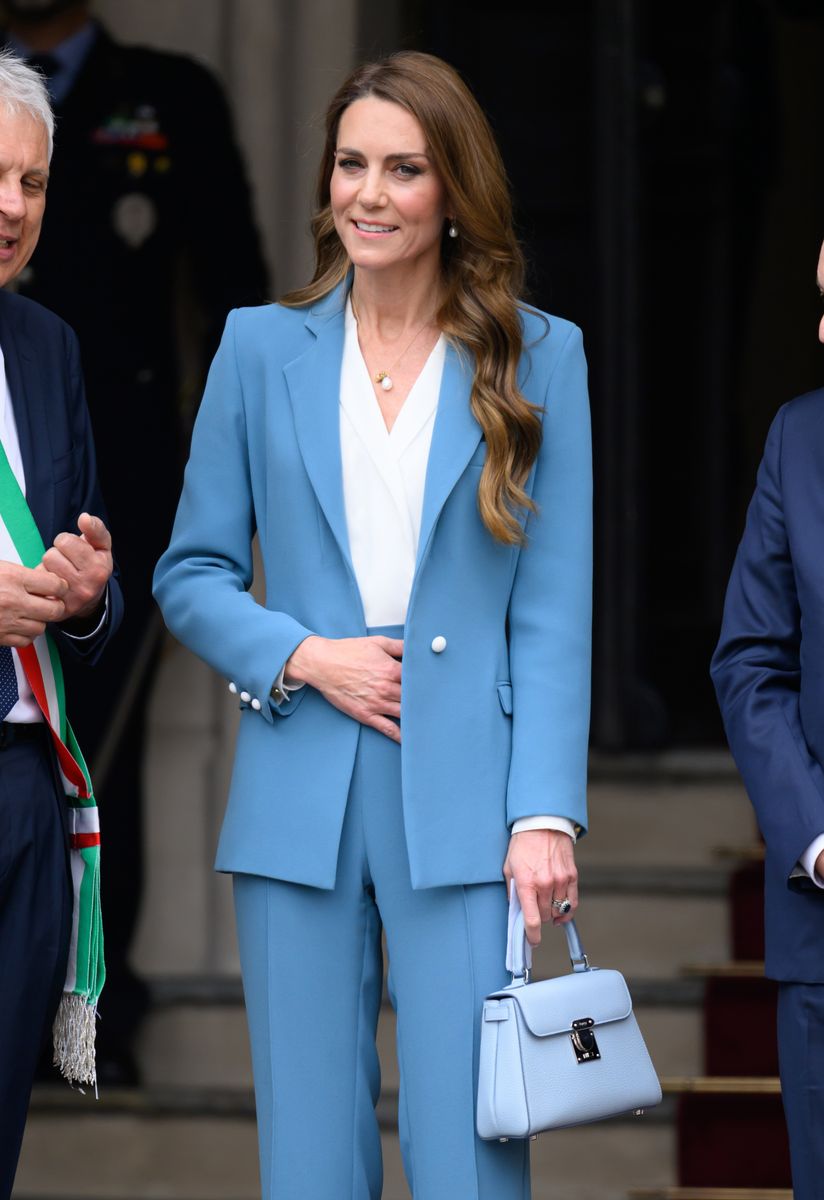
In mid-May, the Princess made her first international trip in four years, traveling to Italy to highlight initiatives focused on childhood and education. Her appearance in Reggio Emilia attracted worldwide attention.
 © WireImage
She had largely stepped back from international travel after her cancer diagnosis.
Notable Absences and a Tribute to Lady Pamela Hicks
The most talked-about absences of the day were Prince Andrew and Sarah Ferguson.
They had already been absent from the event for several years, but following revelations about Andrew’s close ties to Jeffrey Epstein and the subsequent fallout, neither has participated in official events attended by senior members of the royal family.
This year, the Windsors are also remembering Lady Pamela Hicks, who died on June 5 at age 97. A first cousin of Prince Philip and one of Queen Elizabeth II’s closest confidantes, she remained a respected figure within royal circles throughout her life.
No Sign of Princesses Beatrice and Eugenie
Although Princesses Beatrice and Eugenie attended their cousin Peter’s wedding just a week ago, neither appeared at this year’s parade. Their last participation came in 2022, only months before Queen Elizabeth II’s death.
Their most recent appearance on Buckingham Palace’s balcony was in 2019, after arriving at Horse Guards Parade in open carriages.
Another Historic Gathering for the Royal Family
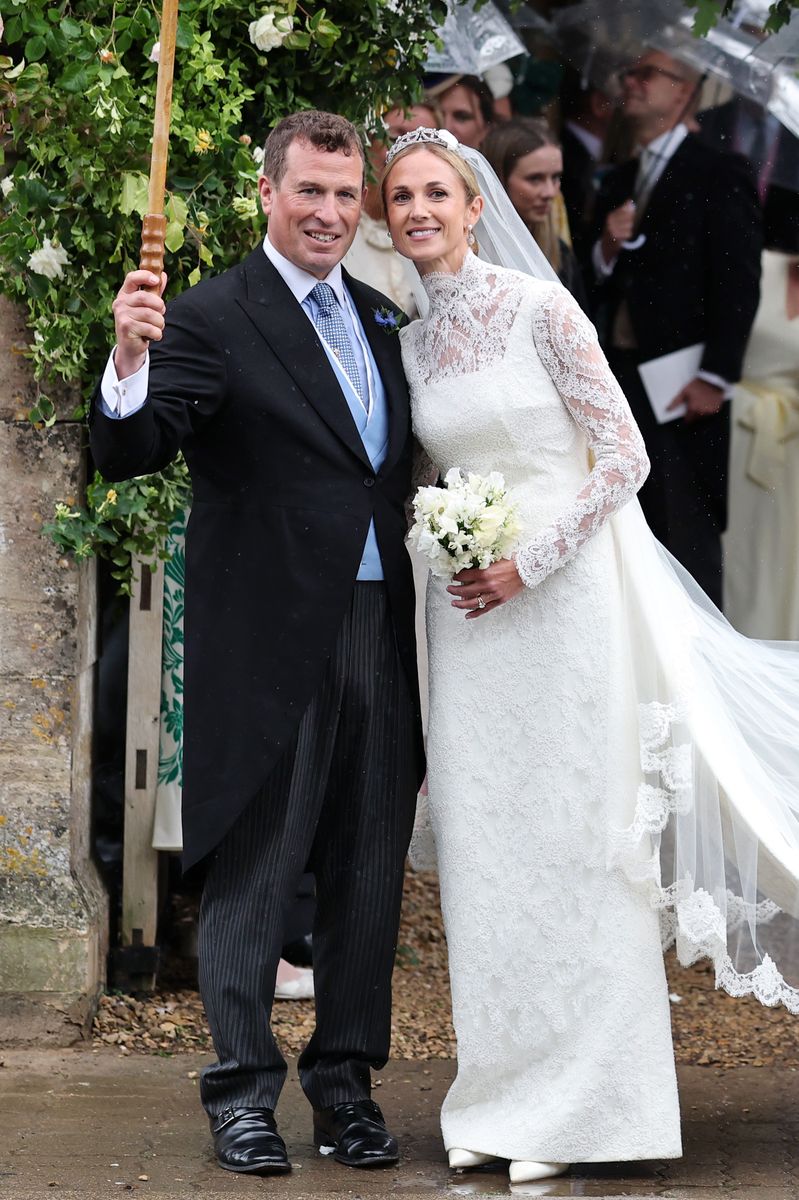
Just one week after Peter Phillips and Harriet Sperling’s wedding, the British royal family reunited for another landmark occasion.
 © Getty Images
Princess Anne’s son married in a private ceremony at All Saints Church in Kemble, near Cirencester, in the picturesque Cotswolds. Among the guests were King Charles and Queen Camilla, the Prince and Princess of Wales, the Duke and Duchess of Edinburgh, and Princesses Beatrice and Eugenie with their husbands, Edoardo Mapelli Mozzi and Jack Brooksbank.
The Buckingham Palace Balcony Moment
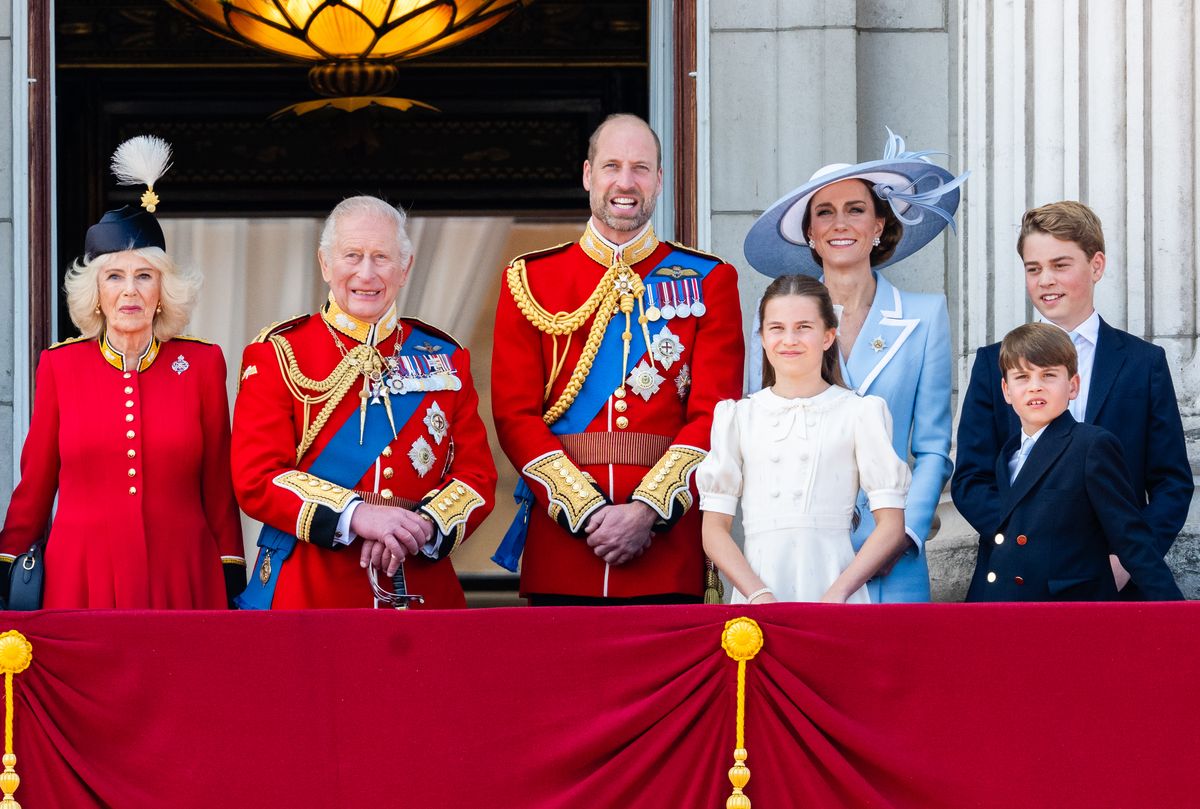
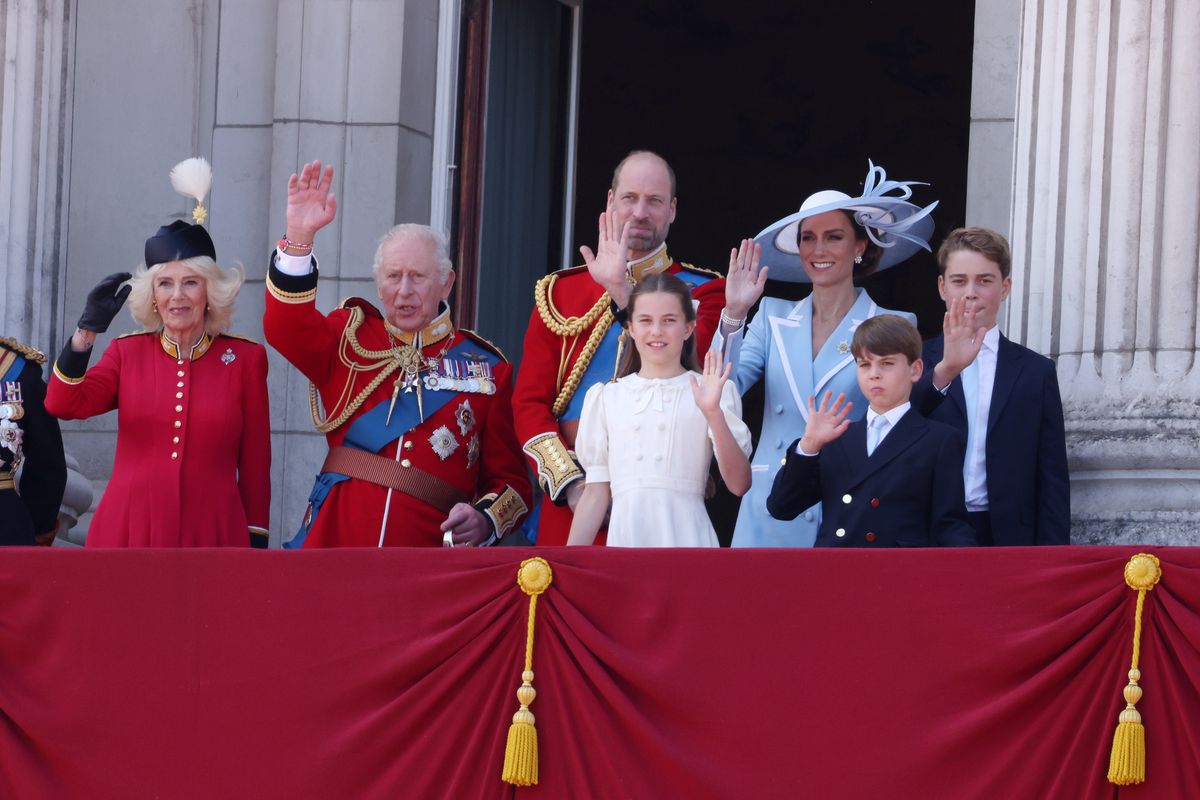
Following the military parade, members of the royal family—led by King Charles III and Queen Camilla—return to Buckingham Palace to watch the Royal Air Force flypast from the palace’s iconic balcony.
 © Samir Hussein/WireImage
The aircraft perform dramatic aerial displays and often leave trails in the colors of the British flag across the sky.
The balcony appearance remains one of the clearest indicators of the monarch’s inner circle, revealing who holds a central role within the institution and who continues to support the Crown.
 © Getty Images
The crowded balcony scenes of Queen Elizabeth II’s reign, which sometimes included as many as 40 family members, have given way to a far more streamlined lineup featuring only working royals.
Why Does King Charles Celebrate His Birthday Twice?
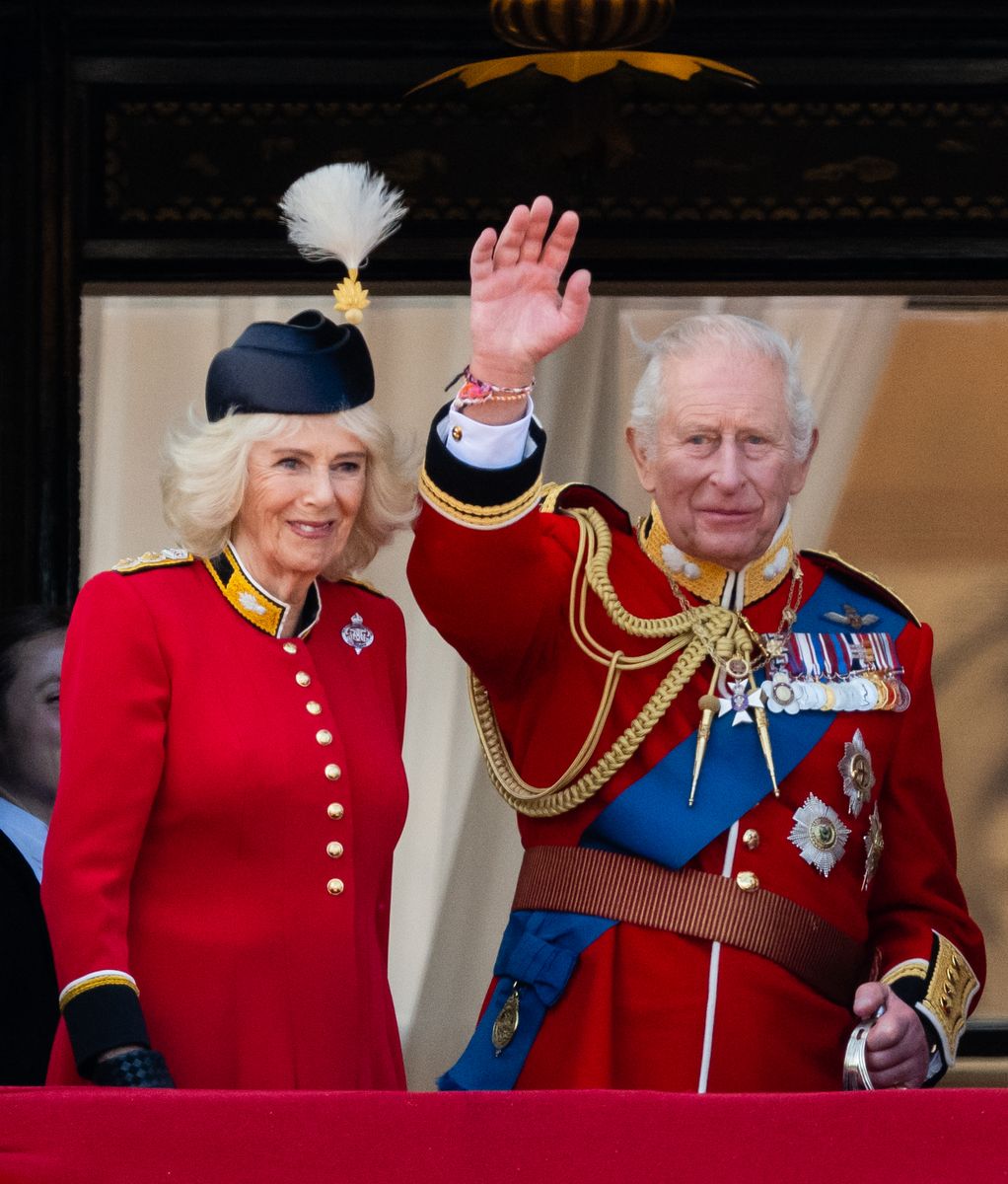
Trooping the Colour takes place every June and serves as the monarch’s official birthday celebration.
Although Charles III was born on November 14, the parade is held near the start of summer to increase the chances of favorable weather and allow more people to attend.
 © Samir Hussein/WireImage
The tradition dates back to 1748, when King George II began celebrating his birthday during the warmer months so the military parade could be staged under better conditions.
Since then, British monarchs have maintained the custom of separating their actual birthday from their official one.
The Origins of Trooping the Colour
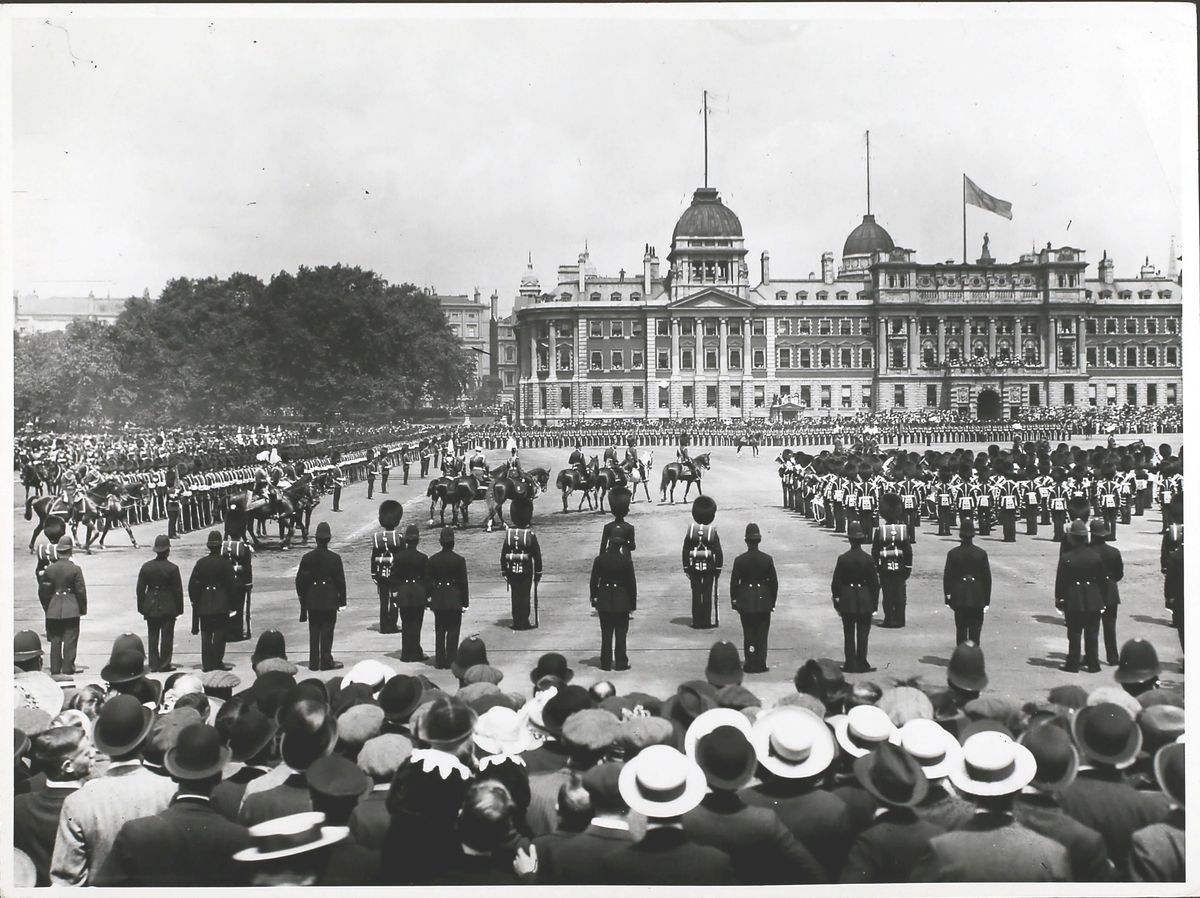
Trooping the Colour dates back to the 18th century and remains one of the United Kingdom’s most important royal traditions.
Its roots lie on the battlefield, where regimental colors were carried before troops so soldiers could identify them amid the smoke and confusion of combat.
 © Getty Images
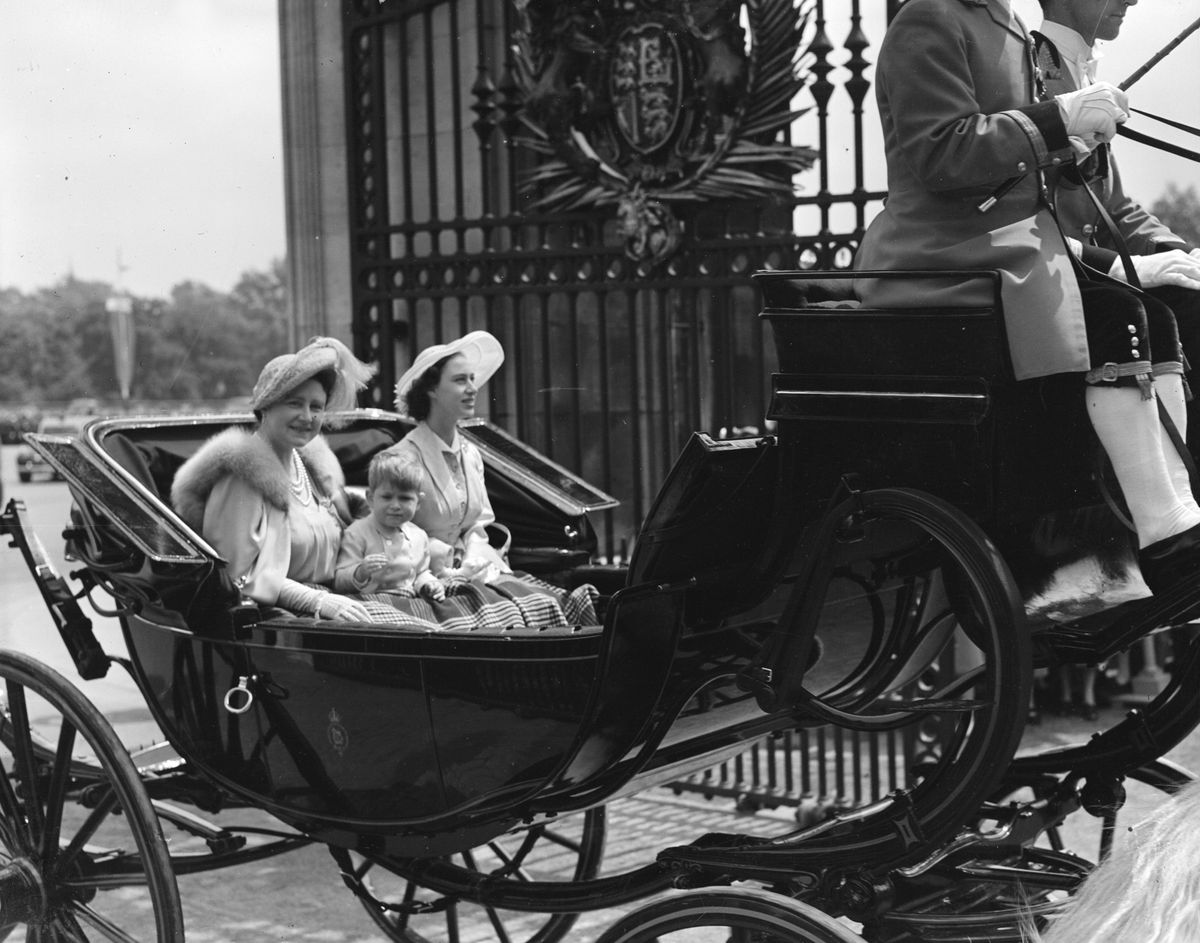
King Charles III attended his first Trooping the Colour in 1951 at just three years old, riding in a carriage alongside his grandmother, Queen Elizabeth The Queen Mother; his mother, Princess Elizabeth—later Queen Elizabeth II; and his aunt, Princess Margaret.
He first participated in the parade as Colonel of the Welsh Guards in 1975.
 © Getty Images
Read the full article here