

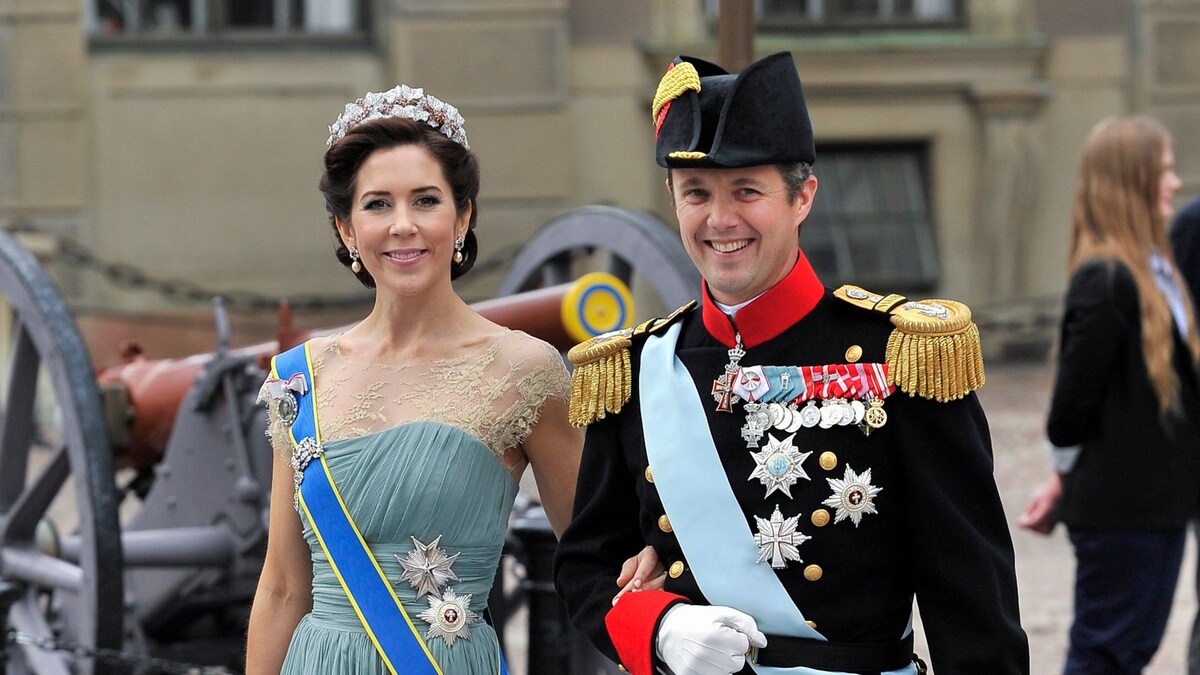

At Christiansborg Palace, everything was poised to welcome government officials and members of Parliament for the annual gala dinner on the night of February 27. A glittering event that, this year, was canceled at the very last moment.
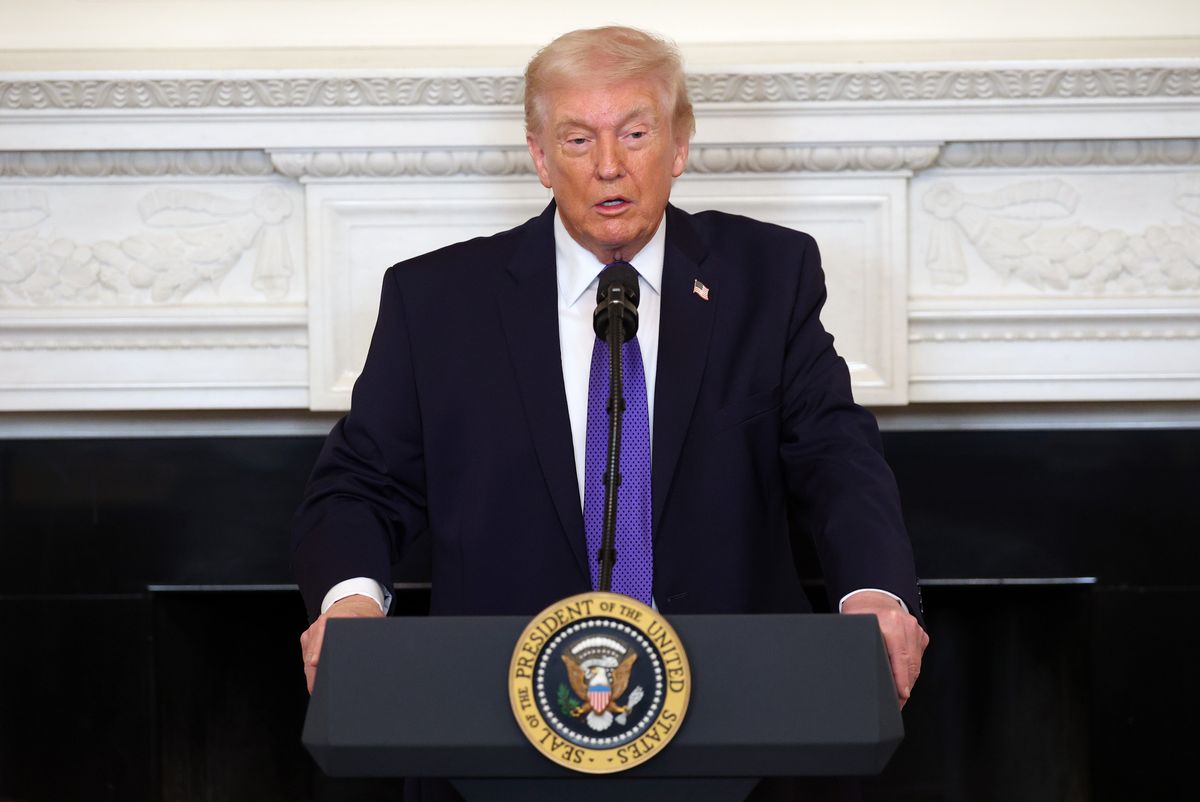
The Royal House announced just hours before that the dinner would not take place, “following the recommendation of the Ministry of State, in light of the upcoming elections,” which will be held early on March 24 amid ongoing controversy over Donald Trump’s Greenland ambitions (the territory belongs to the Scandinavian kingdom).
Organizing a state dinner of this magnitude requires weeks of meticulous planning, much of which was already completed. But King Frederik and Queen Mary quickly implemented a clever plan to ensure none of that work went to waste.
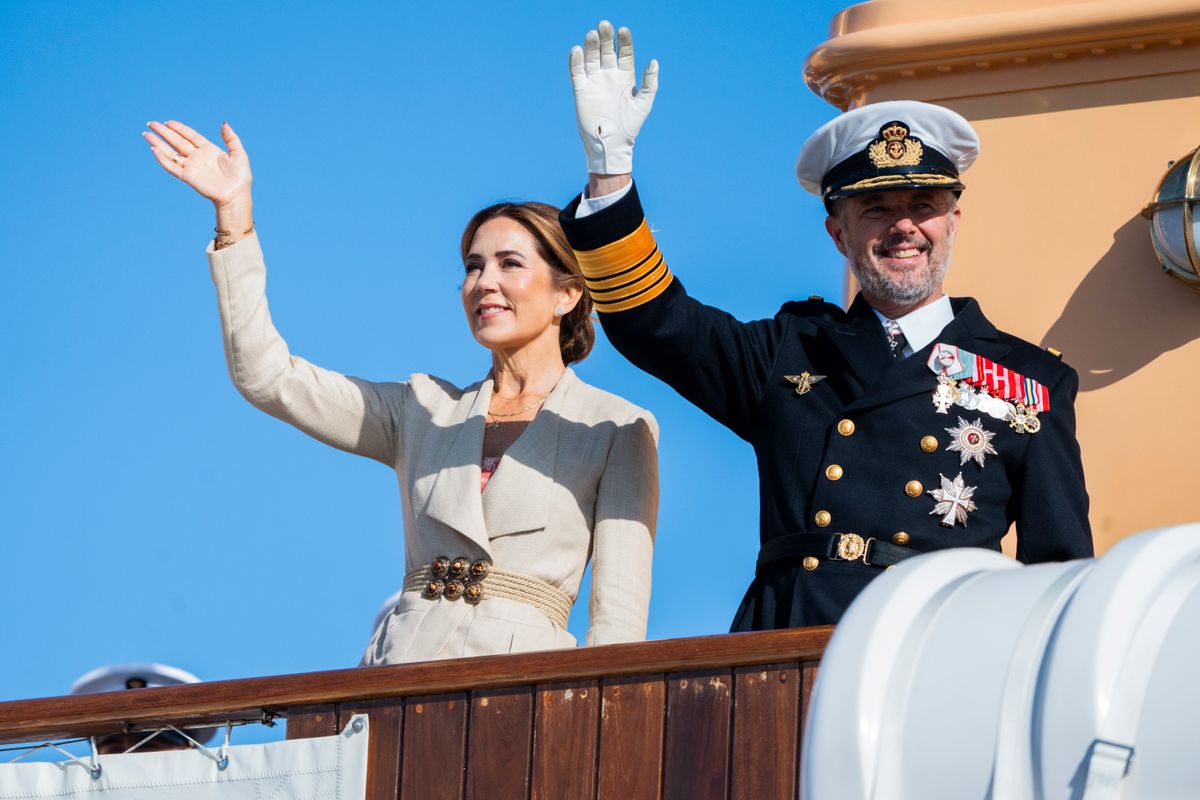
Since Frederik X’s ascension on January 14, 2024, Denmark has entered a new era, balancing tradition with the modern flair of its new monarch. The changes are visible in his personal style and a public agenda increasingly engaged with contemporary issues, but also in small, thoughtful details.
 © Martin Sylvest Andersen
For instance, Queen Mary suggested a simple yet elegant tweak for gala dinners. Arranging table flowers in crystal vases, allowing guests to see one another across the table, and encouraging conversation and interaction.
The flowers for this year’s gala, intended for precisely that setup, have now found a second life. Embracing a philosophy of sustainability, the royal couple has ensured that none of the floral arrangements will be wasted.
 © Kevin Dietsch
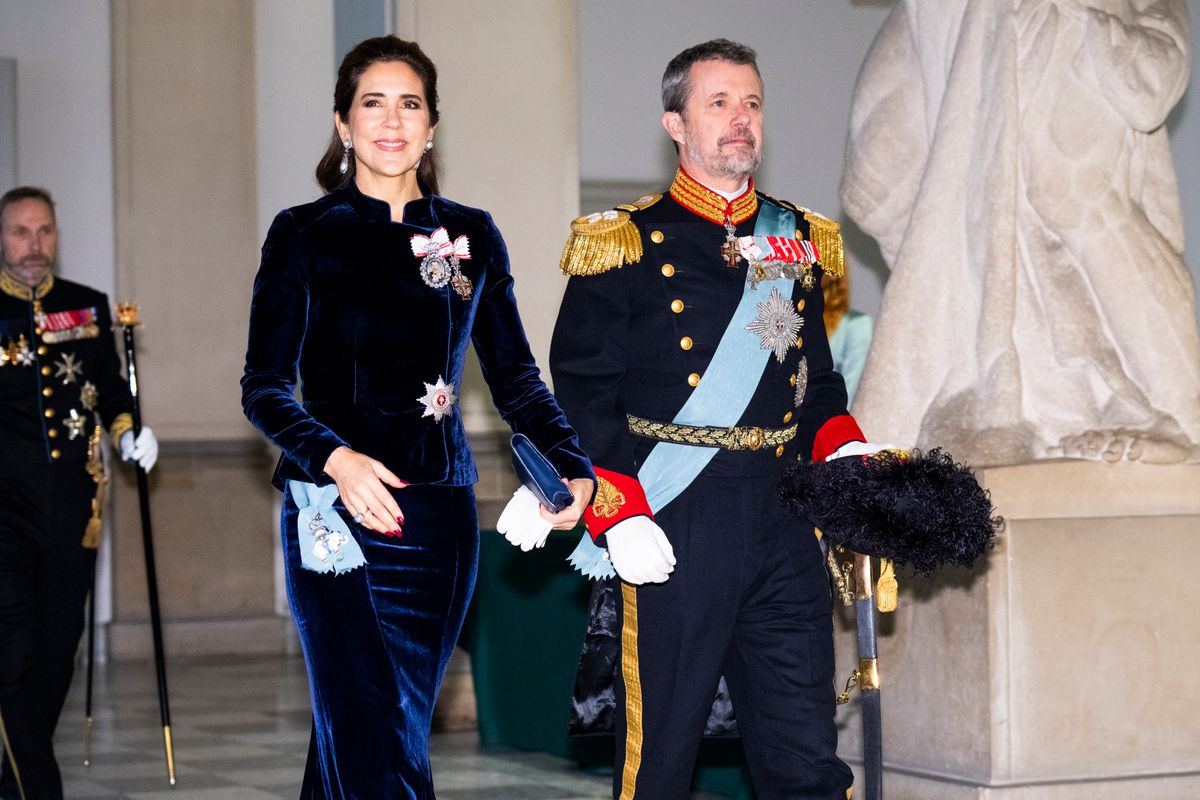
As confirmed by the Royal House to Billed-Bladet, the large floral decorations will remain at Christiansborg Palace, which reopens its museum to the public on Monday. Visitors will be able to admire the arrangements and gain an authentic sense of how such events are staged.
 © Martin Sylvest Andersen
A palace steeped in history:
Christiansborg is one of Denmark’s most visited landmarks, boasting the tallest tower in Copenhagen and housing the executive, legislative, and judicial branches of government.
Its history is as dramatic as it is long. King Christian VI ordered the medieval palace demolished upon his accession, constructing Christiansborg between 1734 and 1745, only for it to burn down in 1794.
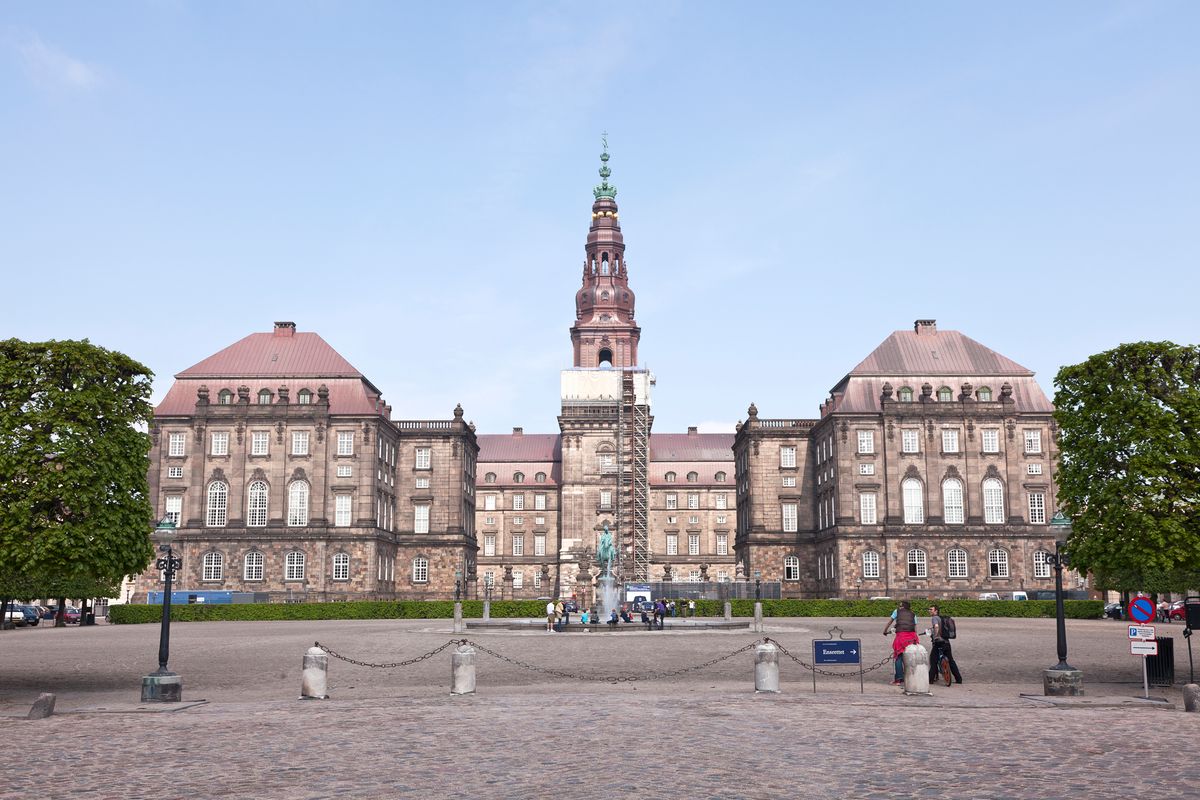 © mozcann
Rebuilt in 1828 under Frederik VI, it succumbed to flames once again, until Frederik VIII laid the cornerstone of the third, and current, palace in 1907.
Following in Charles III’s footsteps:
Frederik and Mary’s approach mirrors the sustainability initiatives of King Charles III and Queen Camilla. At state banquets in Buckingham Palace or Windsor, the British royals personally select flowers from their gardens or royal parks, and after the event, donate them to charities, distributing them to hospitals and senior care homes across the UK.
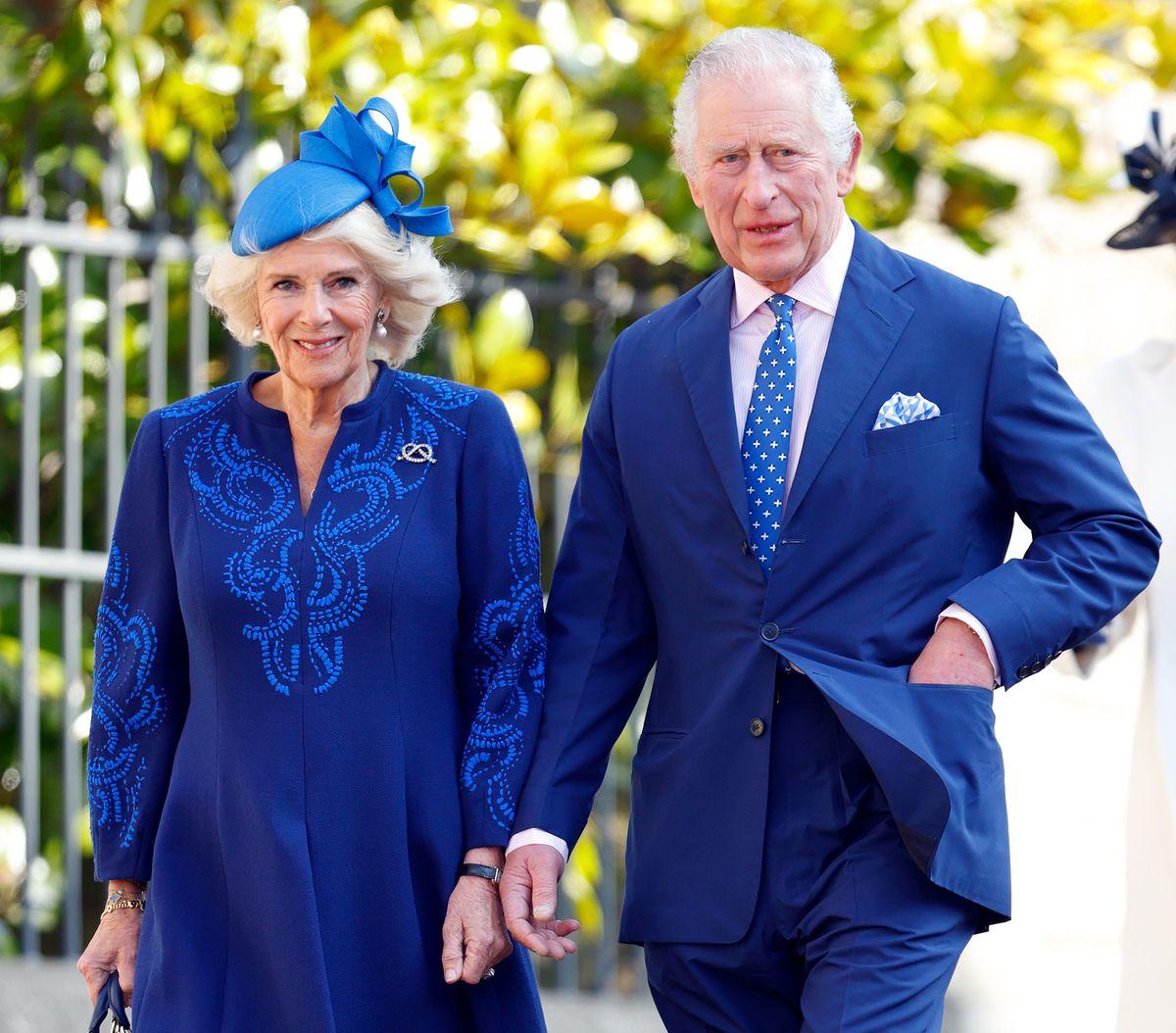 © Max Mumby/Indigo
The gesture reflects King Charles III’s decades-long commitment to environmental stewardship. He has long emphasized the importance of recognizing humanity as an integral part of nature rather than separate from it, promoting sustainability and eco-conscious practices in both public and private life.
With their last-minute rescue plan, Denmark’s royal couple has shown that even in high society, elegance and eco-consciousness can go hand in hand.
Read the full article here