
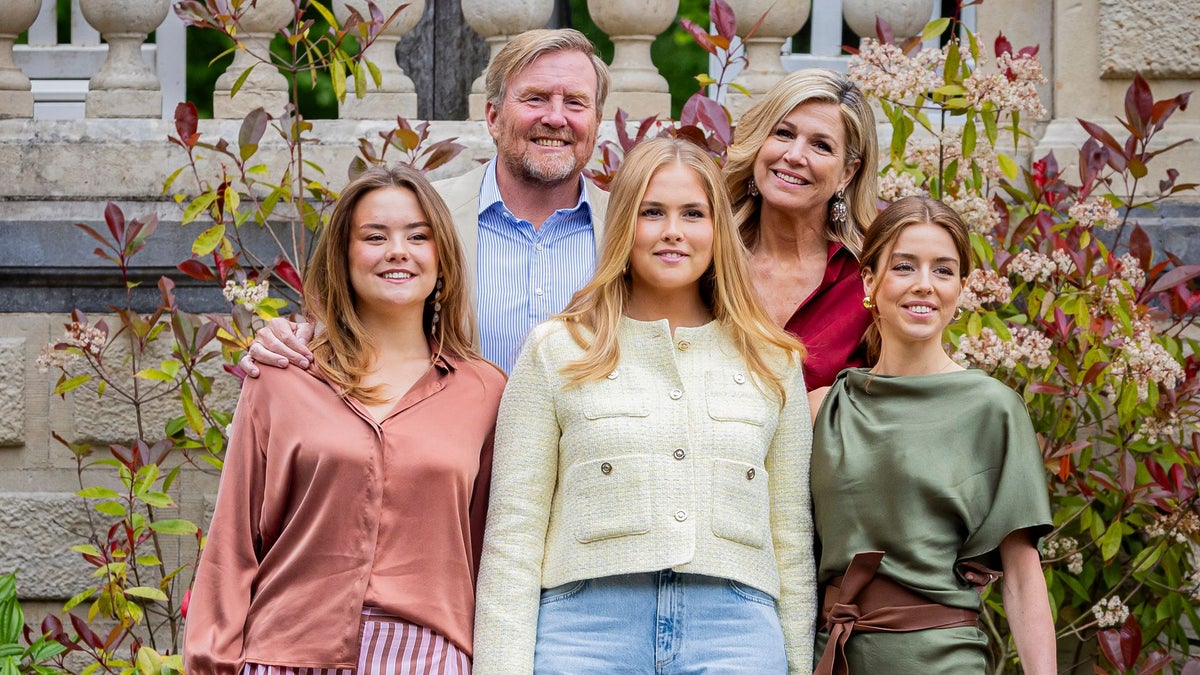

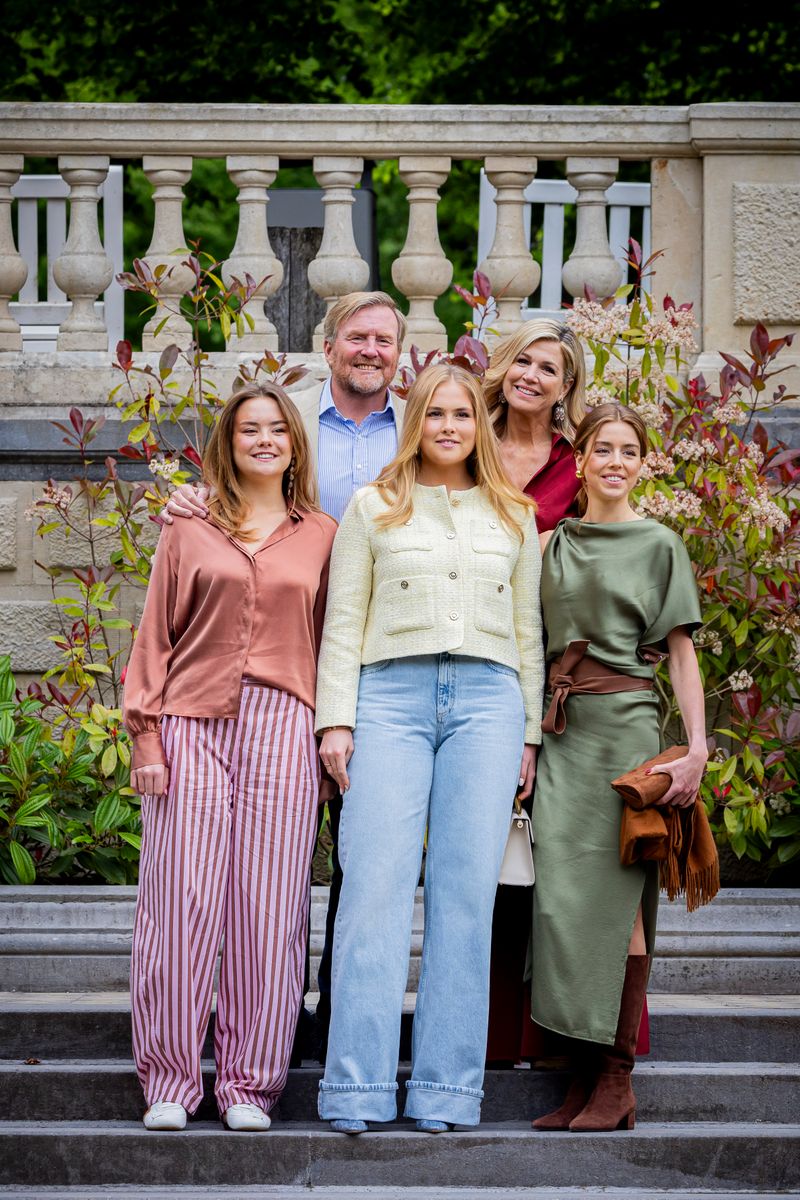
Set between The Hague, the administrative and political capital of the Netherlands, and the solemn quiet of palace life, the Dutch royals are opening the doors to one of the most emblematic palaces of their reign. Within its stone walls, rich history, and shared legacy, Noordeinde Palace serves as the place where the nation’s future is shaped, making it the beating heart of the Dutch state. It functions as the operational headquarters of the Dutch monarchy, where constitutional power and the country’s international relations converge.
 © Patrick van Katwijk
Noordeinde, the political epicenter
The House of Orange Nassau uses four remarkable palaces in the course of its official duties. Though they belong to the state, they come to life through the royal family’s personal and institutional use, making them feel both iconic and welcoming. Still, despite the building’s strong political character, the Dutch royal household has announced that the king will open Noordeinde Palace to visitors this summer, giving the public access to some of the palace’s most historically significant rooms. And it will not just be the grand state areas on display. Some of the palace’s lesser-known corners will also be revealed.
 © Getty Images
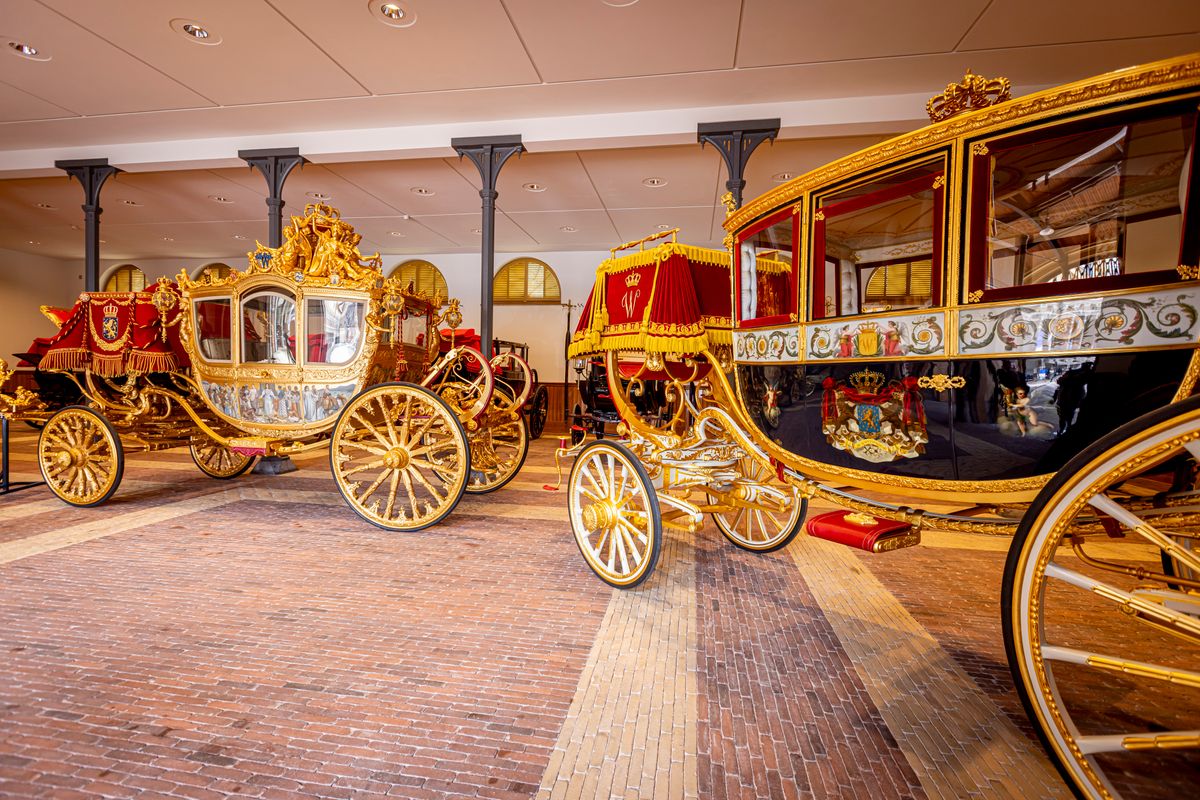
The Royal Stables will also be open to visitors from July 22 through August 9 of this year, showcasing the more traditional side of the Dutch monarchy: the Military Household. Among the highlights on display will be the famed Crystal Carriage, built in 1926 for King William I and still used today during the Prince’s Day parade. The carriage gets its name from the glass panels that protect its ornate decoration.
 © Getty Images
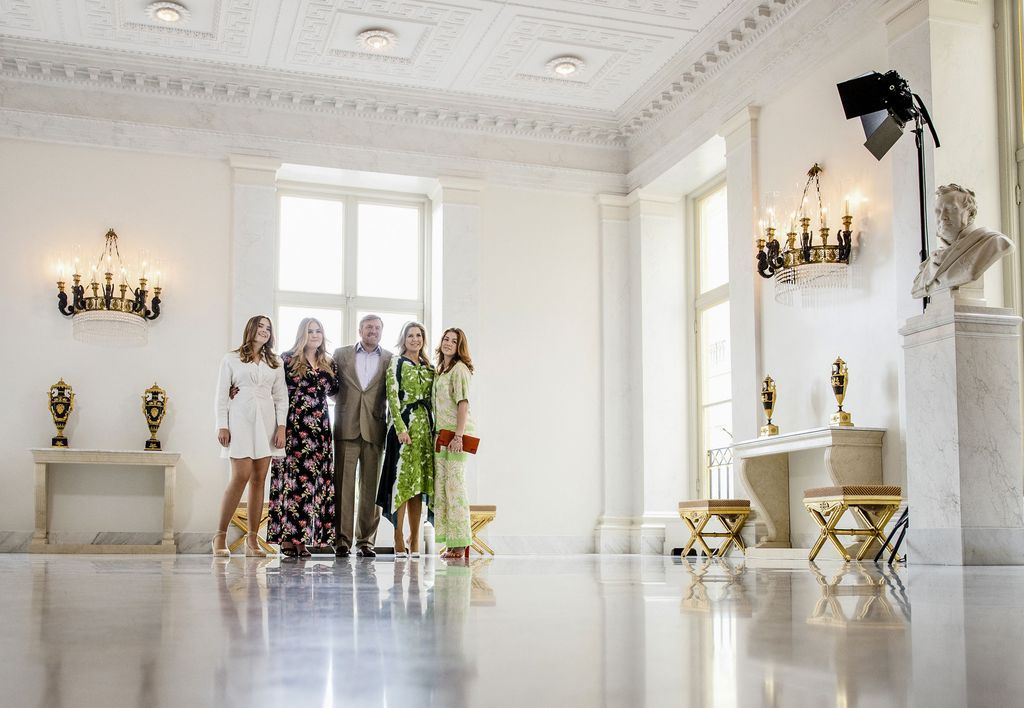
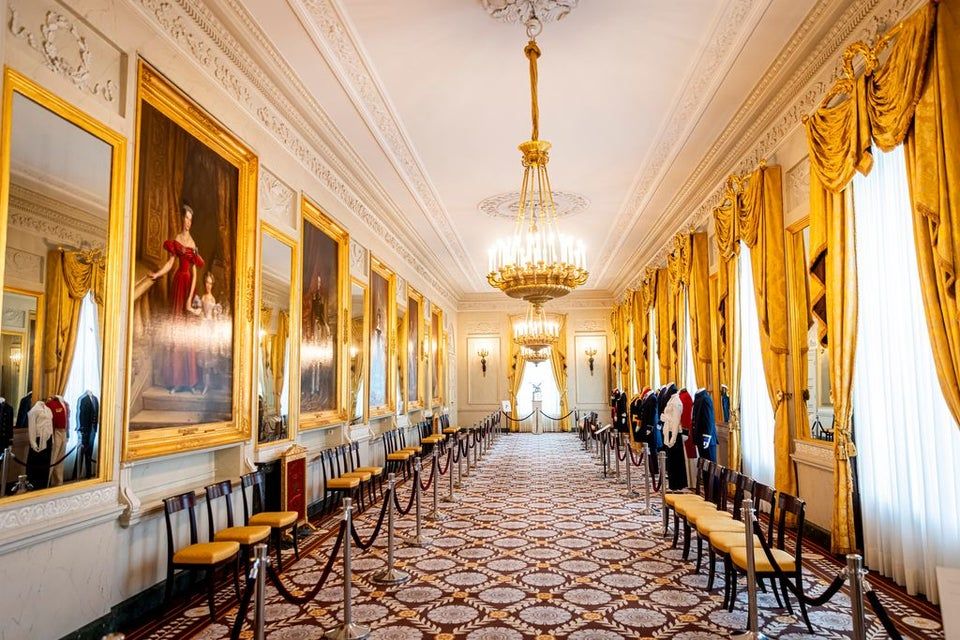
This year, the military dimension carries particular significance in the Netherlands, especially following Princess Amalia’s enrollment as a part-time military cadet in the Royal Air Force. Queen Máxima is also taking on a notable role in this sphere. Last February, the royal household announced that King Willem Alexander’s wife had joined the army as a reservist. As a result, the palace exhibition will place special emphasis on the Grand Ballroom, featuring unique historical and contemporary objects that have endured through the centuries. Among the items on display are one of King William III’s uniforms, dating to around 1840, and one of Princess Amalia’s military caps, which she received in January 2026 after completing her basic military training.
 © Getty Images
The palace that symbolizes the bond between Crown and State
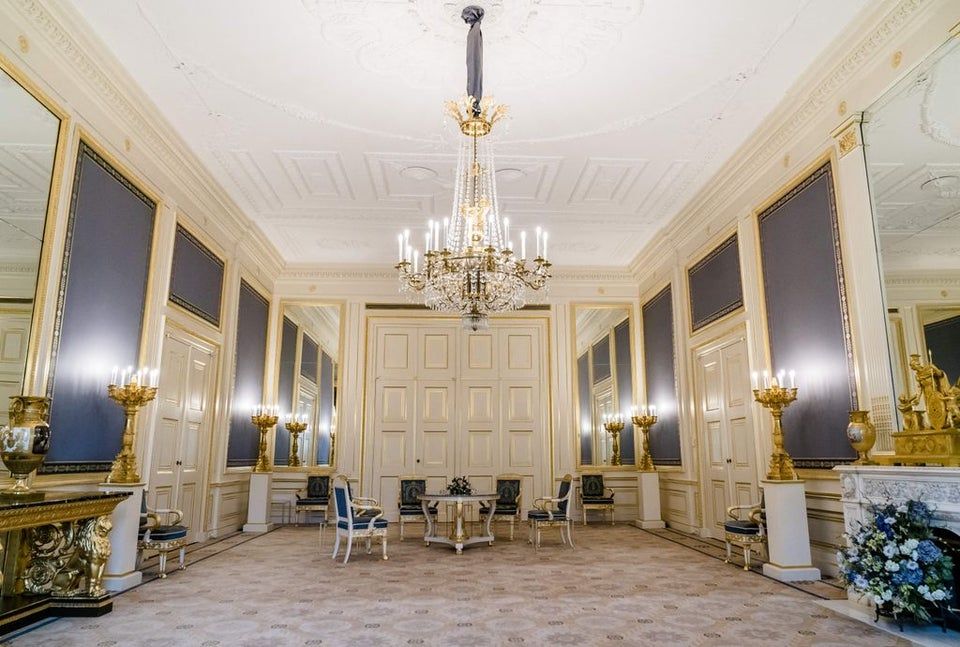
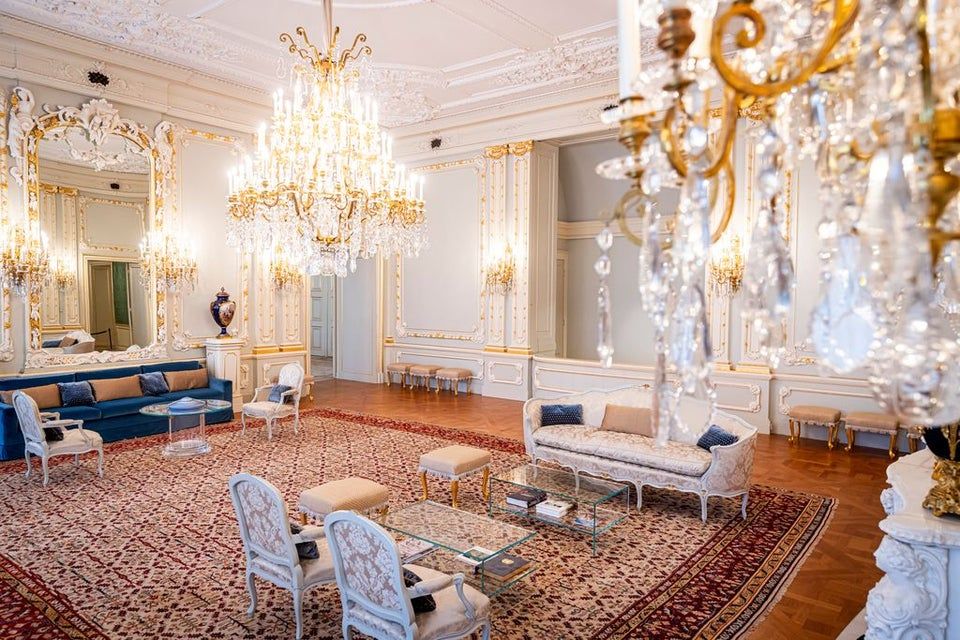
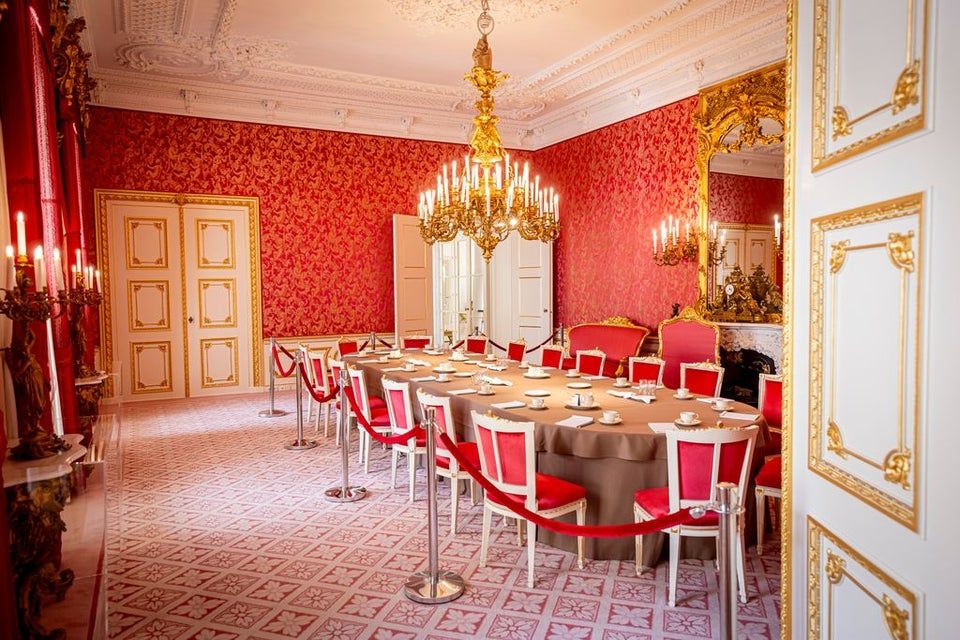
The opening of the palace itself, which spans more than 100 rooms and nearly 94,700 square feet, will not simply offer a glimpse into the royal family’s private life during their most intimate moments. It will also explore the triumphs and tragedies of a history intertwined with the dynasty itself. While the military theme will play a central role throughout the exhibition, visitors will also be able to tour iconic spaces such as the Balcony Room, where newly appointed foreign diplomats are formally received; the Putti Room, where the monarch meets weekly with advisors alongside Queen Máxima; and the Grand Hall.
 © Getty Images
It is a journey through the deep institutional and family history that the Dutch royal household has once again chosen to share with the public, offering insight into the bonds that sustain the monarchy. Tickets to visit the palace will cost 10 euros, while admission to the Royal Stables will be 7.50 euros. A combined ticket will also be available for 15 euros. Children, however, will likely be the most captivated visitors of all, since they will be able to discover one of the dynasty’s great symbols free of charge.
 © Getty Images
Noordeinde Palace stands on the outskirts of The Hague, with roots dating back to the 16th century. In 1533, Willem Goudt transformed a former medieval farmhouse into a stately residence that, decades later, in 1591, evolved into the structure we know today and became home to members of the House of Orange. Beginning in 1814, the palace was used by Kings William I and William III, cementing its place as one of the most representative landmarks of the Dutch monarchy.
 © Getty Images
One of the most tragic chapters in the palace’s history came in 1948, when a fire destroyed much of the building’s central section. That same year, Queen Juliana, grandmother of the current monarch, ascended to the throne and chose Soestdijk Palace as her official residence. Even so, part of the royal court continued operating from Noordeinde. Later, between 1952 and 1976, the palace’s north wing housed the Institute of Social Studies.
 © WireImage
This latest opening will bring the royal family a little closer to the public, offering citizens a more intimate way to experience the history of the monarchy. With its strong military focus during a period of global instability, the exhibition reflects how the House of Orange Nassau is positioning itself through service and duty. At the same time, it underscores a future now taking shape in the hands of Princess Amalia, who, after King Willem Alexander, will one day assume leadership of the Dutch state, inheriting an immeasurable legacy shaped in large part by the women who have played a defining role in Dutch history.
 © WireImage
Read the full article here