

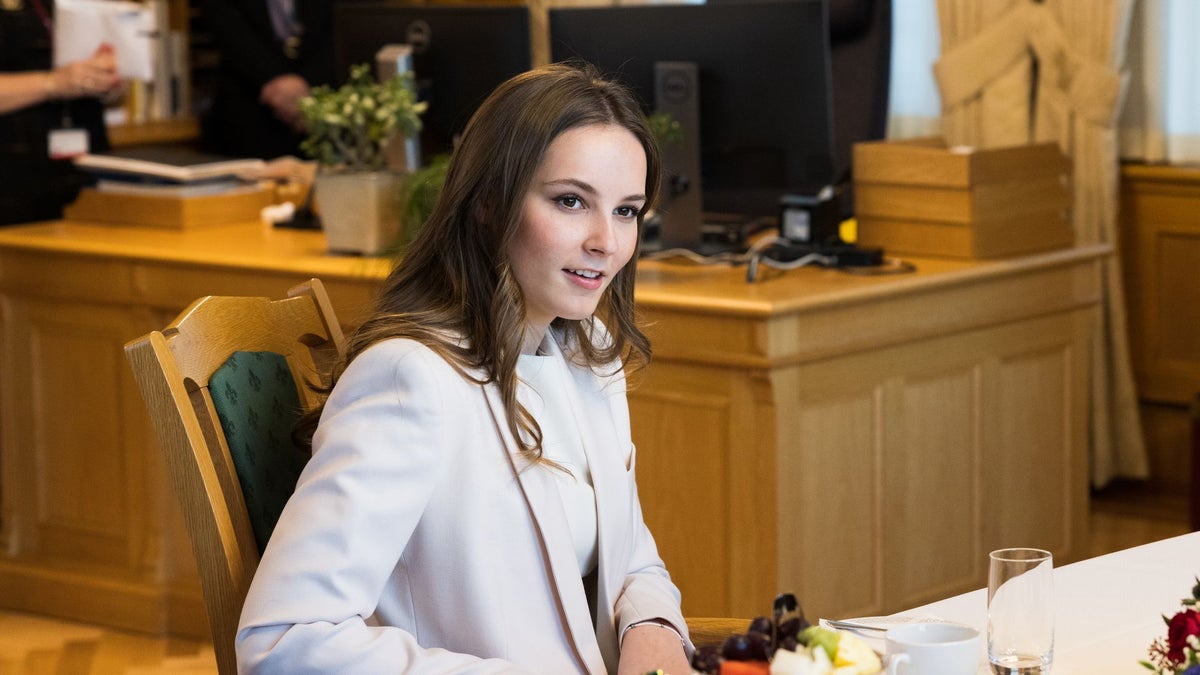

The vulnerabilities of Norway’s monarchy are becoming increasingly apparent. King Harald is approaching 90, while Crown Prince Haakon is shouldering an ever-growing workload on his own. In recent years, the royal household has faced departures, controversies, illnesses, travel commitments, and unforeseen disruptions.
Under current rules, if King Harald were to become incapacitated while Crown Prince Haakon was abroad, the government, sitting in the Council of State, would be required to assume the constitutional duties associated with the head of state. This has effectively limited the Norwegian royal family’s presence overseas.
Now, Norway’s Parliament is seeking to prevent such a potential power vacuum and is considering a constitutional amendment that would grant Princess Ingrid new powers. Under the proposal as it currently stands, however, Prince Sverre would be permanently excluded.
 © Getty Images
The initiative dates back to the fall of 2024, when representatives from the Labour Party, the Progress Party, the Centre Party, the Conservative Party, the Liberal Party, and the Christian Democratic Party introduced a proposal requiring a constitutional amendment and a two-thirds majority in the Storting (Parliament).
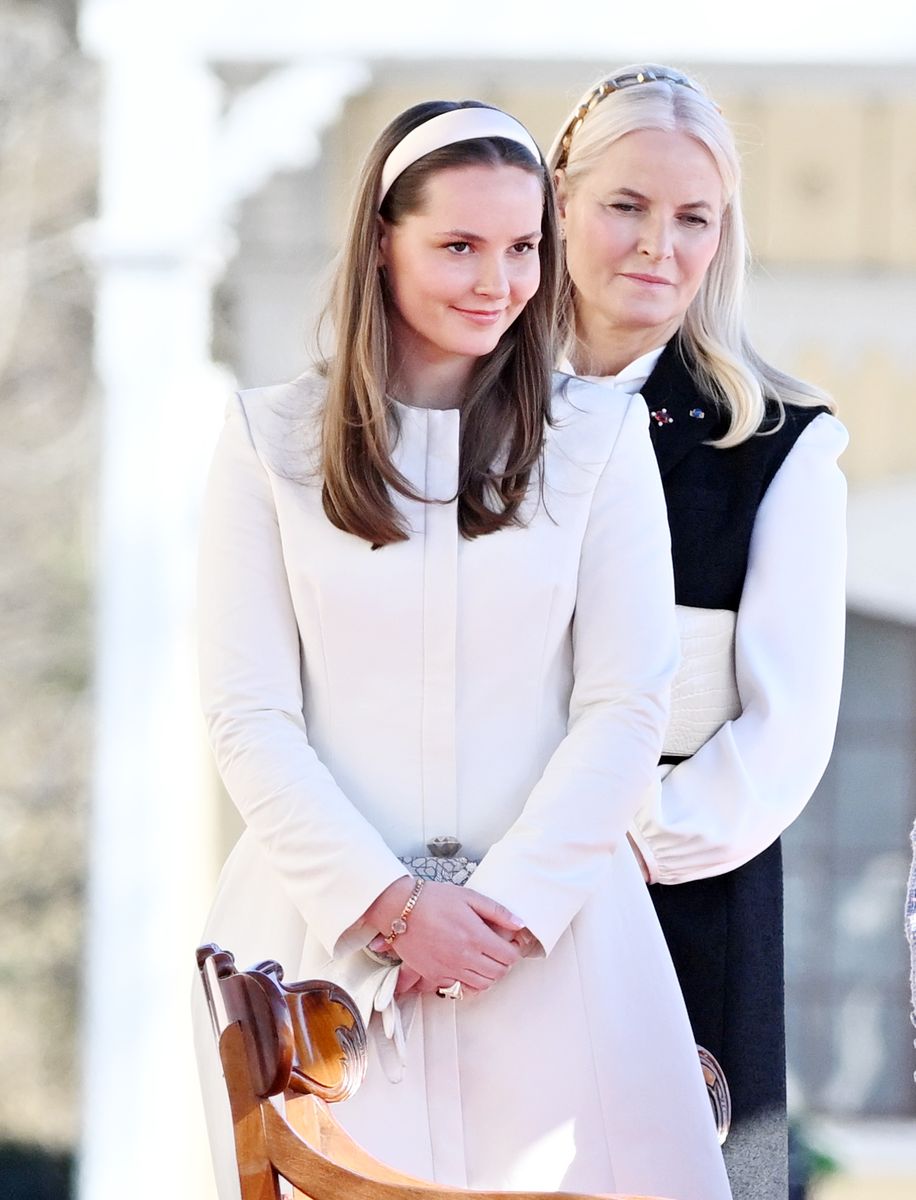
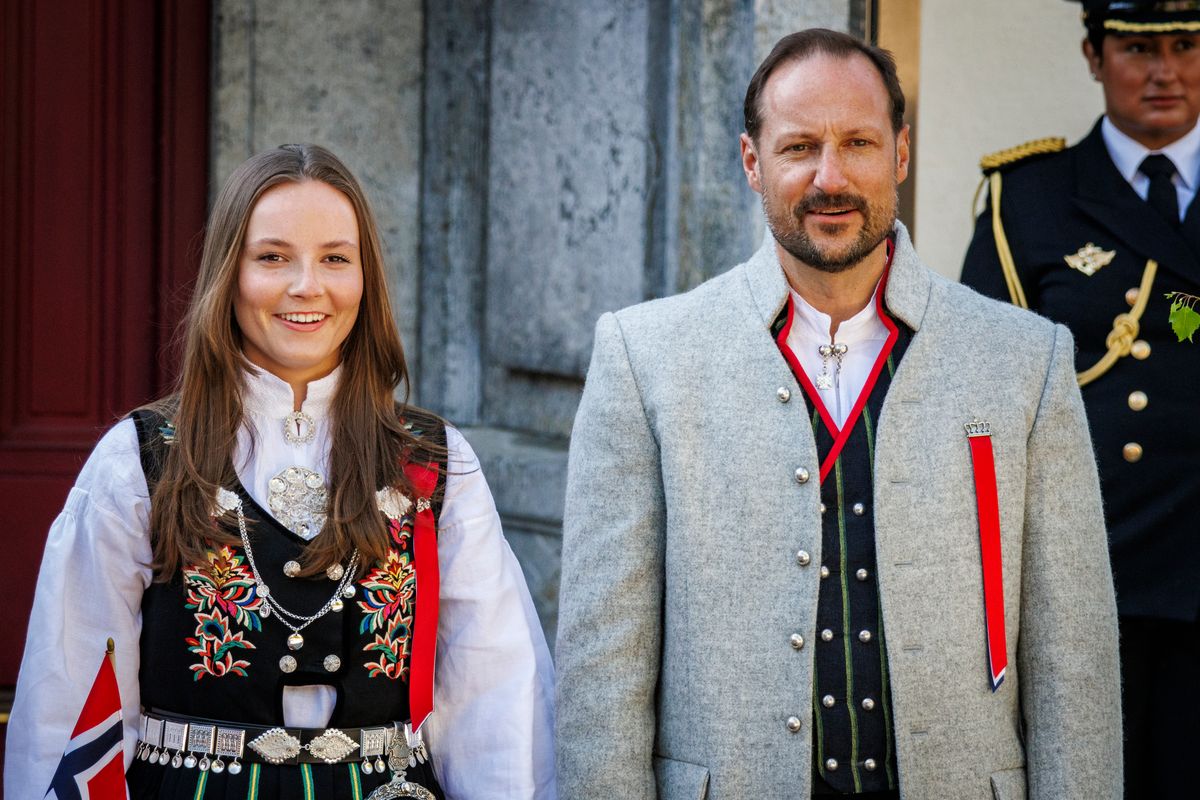
The reform, currently under review by the Standing Committee on Scrutiny and Constitutional Affairs before its parliamentary debate this fall, would allow Princess Ingrid Alexandra to serve as regent if either King Harald or Crown Prince Haakon were unable to preside over the Cabinet.
 © Getty Images
The Institutional Fragility of Norway’s Monarchy: What Happens If Harald and Haakon Can’t Serve?
A regency is essentially a mechanism for ensuring institutional continuity, but it can become crucial when a monarch is unable to carry out the duties of head of state. A regent temporarily performs those responsibilities, and the role must be provided for in the constitution.
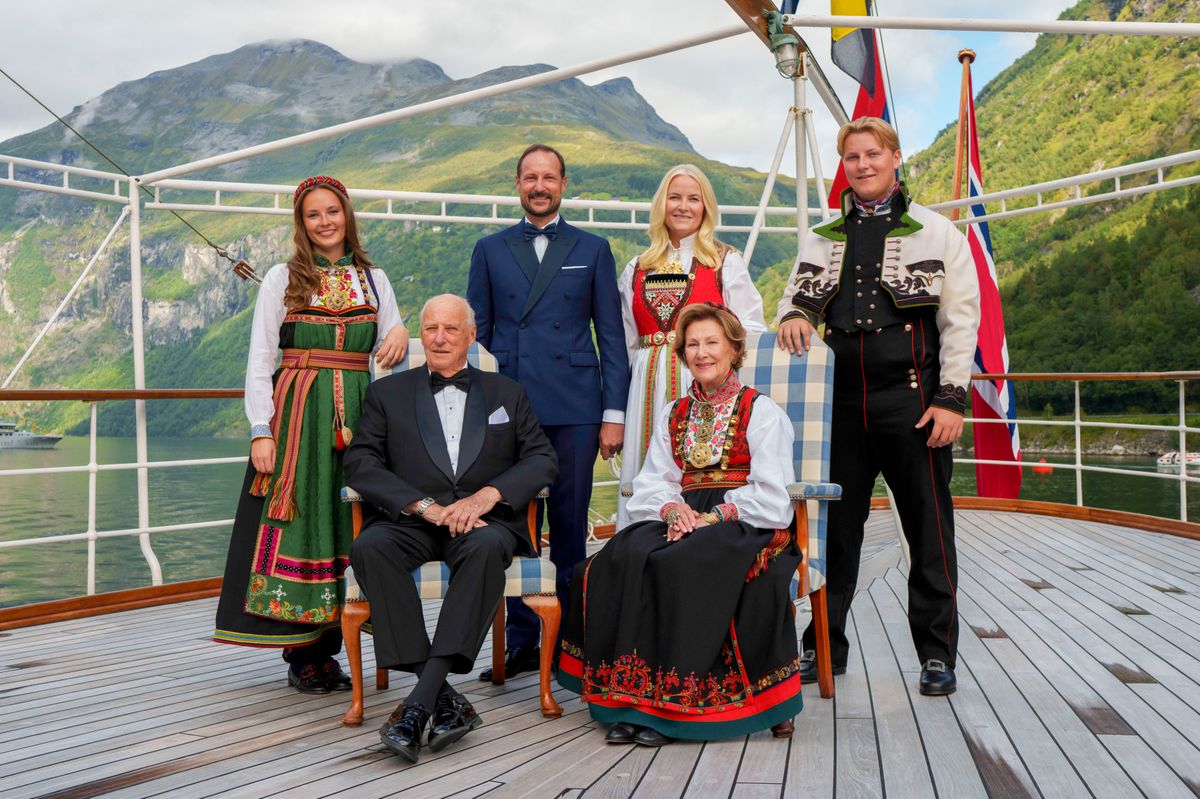
In some monarchies, such as Denmark’s—which served as a model for Norway’s system—the concept is well established. Danish constitutional law requires the sovereign to notify the government and appoint a regent whenever leaving the country, even on official business. As a result, King Frederik has a long list of royal family members who can serve as regent under various circumstances.
 © NTB/POOL/AFP via Getty Images
A similar arrangement exists in Sweden, where regencies are assigned according to the line of succession. Norway’s constitution, however, contains no such provision, apparently because one has never been considered necessary.
The controversy surrounding the Storting’s proposal centers on the wording itself. The amendment would allow “the eldest child of the heir to the throne, upon reaching the age of 18, to serve as regent if both the King and the heir are unable to perform their duties.”
 © Getty Images
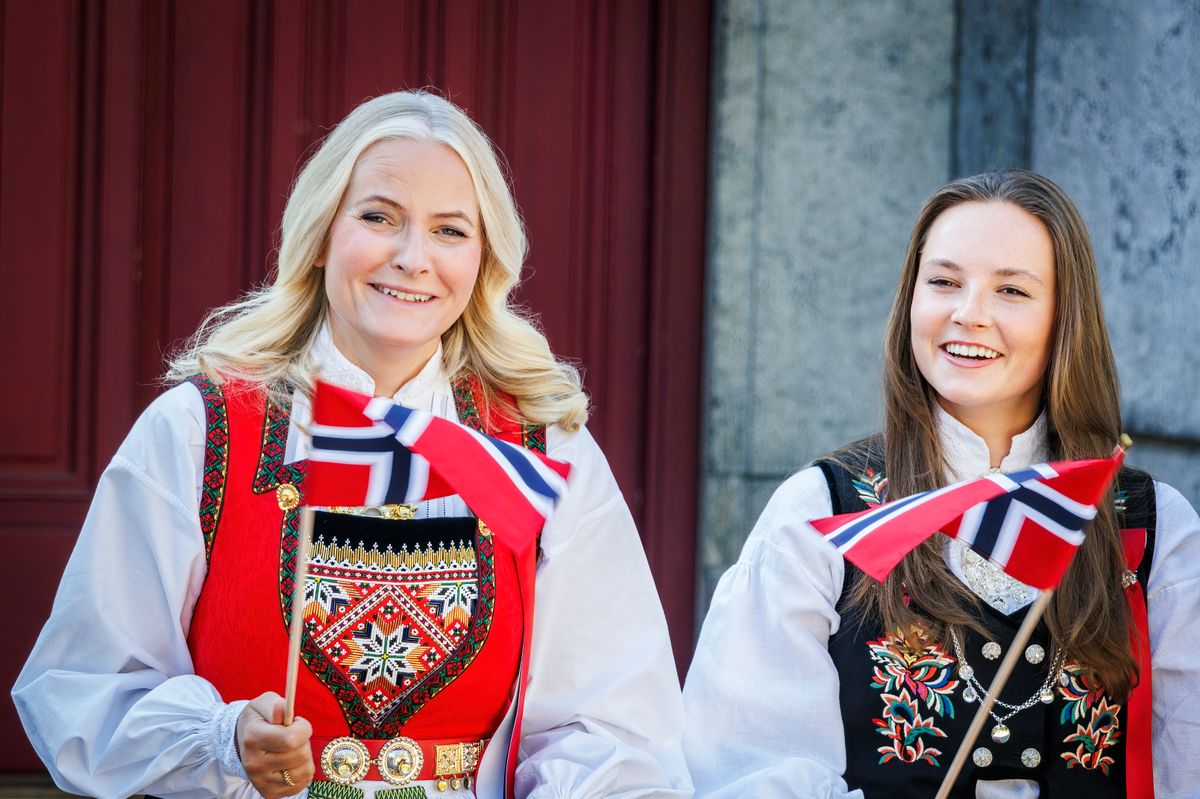
This would create a new constitutional role for Princess Ingrid and provide the Royal House with an additional active member vested with significant authority. Yet the proposal also has an obvious weakness: it is narrowly tailored. It opens the door only for Princess Ingrid, as the heir’s eldest child, while offering no path for Prince Sverre to ever assume such responsibilities if circumstances required it.
Denmark and Sweden: Regency Models Shaping Norway’s Debate
Unlike the other Scandinavian monarchies, where any adult member of the royal family may serve as regent upon designation by the sovereign, the Norwegian proposal would allow only Princess Ingrid to carry out the duties of head of state.
As a result, the amendment appears focused on solving an immediate problem rather than establishing a long-term constitutional framework capable of addressing a broader range of future scenarios. If approved in its current form, Norway would eventually have to wait until Princess Ingrid became Crown Princess and her own first child reached adulthood before another person could be added to the regency system.
 © Getty Images
“Parliament’s intentions are good, but it’s hard to be impressed by such a defensive proposal. When politicians open up the Constitution for the first time, they should seize the opportunity to address the challenge properly. Instead, they’ve chosen the smallest possible adjustment that works here and now. The Constitution should not be tailored to Princess Ingrid Alexandra. It should be written for Norway.”
Opinion column in Nettavisen
Others, including Labour Party politician Sverre Myrli, one of the proposal’s sponsors, argue that the reform should not be viewed through the lens of the Norwegian royal family’s current circumstances. Instead, he sees it as part of preparing the future queen for her constitutional responsibilities.
“It could also be a good exercise to get started. One day, it’ll be her turn,” Myrli told Aftenposten.
Prince Sverre Magnus’s Future in an Ever-Smaller Royal House—and the “Ghost” of Märtha Louise
Few observers have commented directly on Prince Sverre’s exclusion from the proposal. However, historian and royal expert Trond Norén Isaksen notes that official constitutional duties typically carry lifelong implications.
 © Getty Images
From that perspective, the proposal may be intentionally cautious, avoiding the expansion of powers to royal family members who could later occupy a more peripheral role. That concern is particularly relevant given that the previous generation effectively lost an active working royal when Princess Märtha Louise stepped back from official duties.
The constitutional process is already underway, and the proposal is scheduled for a parliamentary vote on November 3. Its prospects appear favorable, given the broad political support behind it.
 © Getty Images
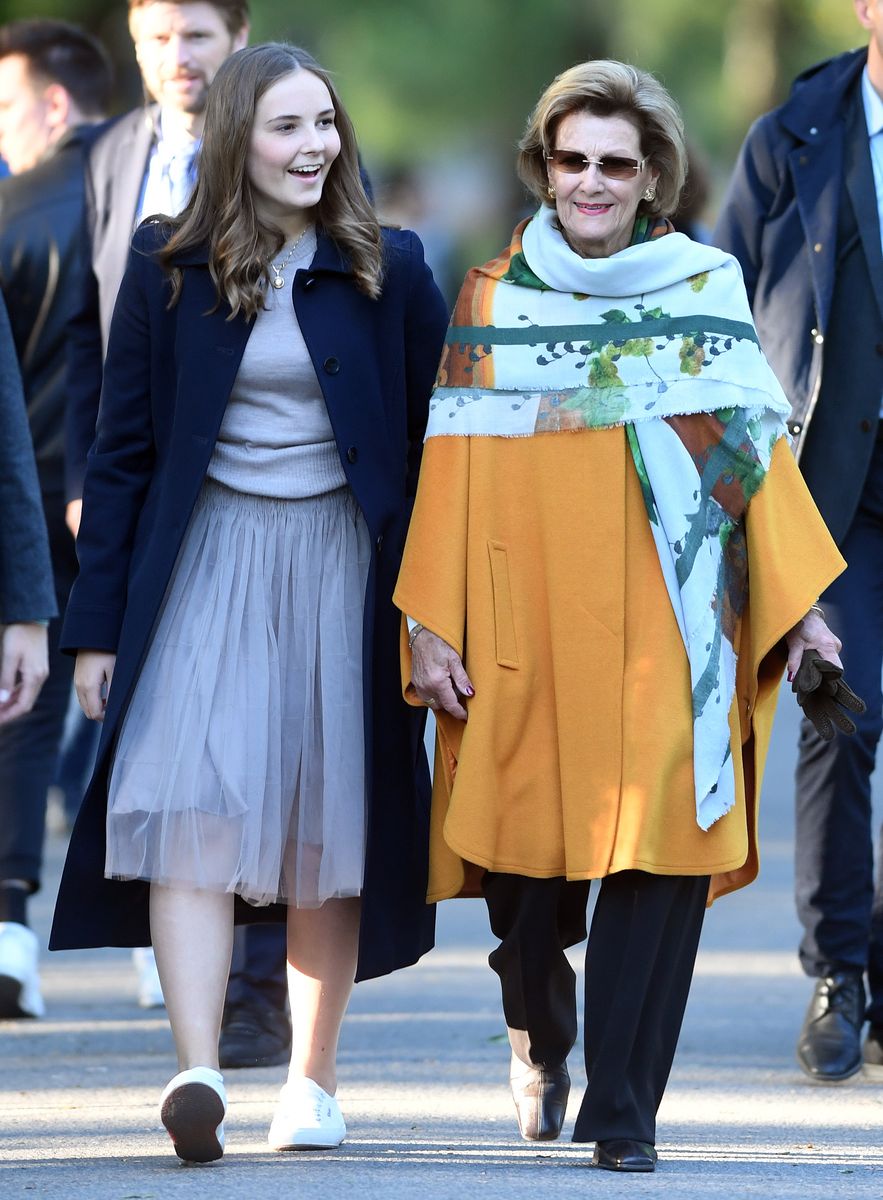
If approved, Princess Ingrid would take a significant step forward in her role as future crown princess—and eventually Norway’s first queen regnant in modern history.
The timing would coincide with the first semester of her university studies. As previously announced, Princess Ingrid will attend the University of Oslo through an exchange program with the University of Sydney. The change in plans, Crown Prince Haakon has explained, is “related to the family situation. She wants to be close to her mother.”
Read the full article here