



Princess Bajrakitiyabha Narendiradebyavati, the eldest daughter of King Maha Vajiralongkorn, better known as King Rama X, has died at the age of 47 after a prolonged medical battle that had seized Thailand since December 2022.
According to a statement released by the Royal Household Bureau, Her Royal Highness passed away peacefully on Thursday, June 11, 2026, at 3:55 p.m. at Chulalongkorn Hospital of the Thai Red Cross Society in Bangkok, where she had remained hospitalized since losing consciousness following a serious cardiac event.
In recent weeks, her condition had worsened substantially due to an abdominal infection caused by intestinal inflammation. She also suffered from low blood pressure, heart rhythm abnormalities, and blood-clotting complications.
“Despite receiving continuous medical care and treatment using every available measure, her condition gradually deteriorated,” the statement said. “Ultimately, on Thursday, June 11, 2026, at 3:55 p.m., Her Royal Highness passed away peacefully at Chulalongkorn Hospital of the Thai Red Cross Society at the age of 47.”
The statement also announced that King Vajiralongkorn had ordered full royal funeral rites and the highest funeral honors in accordance with Thai royal tradition. Her remains will lie in state at the Pimarn Rattaya Throne Hall inside Bangkok’s Grand Palace.
Her health declined rapidly in recent weeks
The princess’s condition took a serious turn on May 25, 2026, when she developed a bloodstream infection caused by inflammation of the large intestine. Her health steadily deteriorated afterward, with falling blood pressure, irregular heart rhythms, and blood-clotting disorders.
Despite extensive efforts by her medical team, the infection continued to spread and eventually affected several vital organs.
An Outpouring of Grief in Thailand and Beyond
One of the first public messages of condolence came from Bhutan’s King Jigme Khesar Namgyel Wangchuck and Queen Jetsun Pema, who praised the princess’s lifelong devotion to public service and her dedication to the welfare of the Thai people.
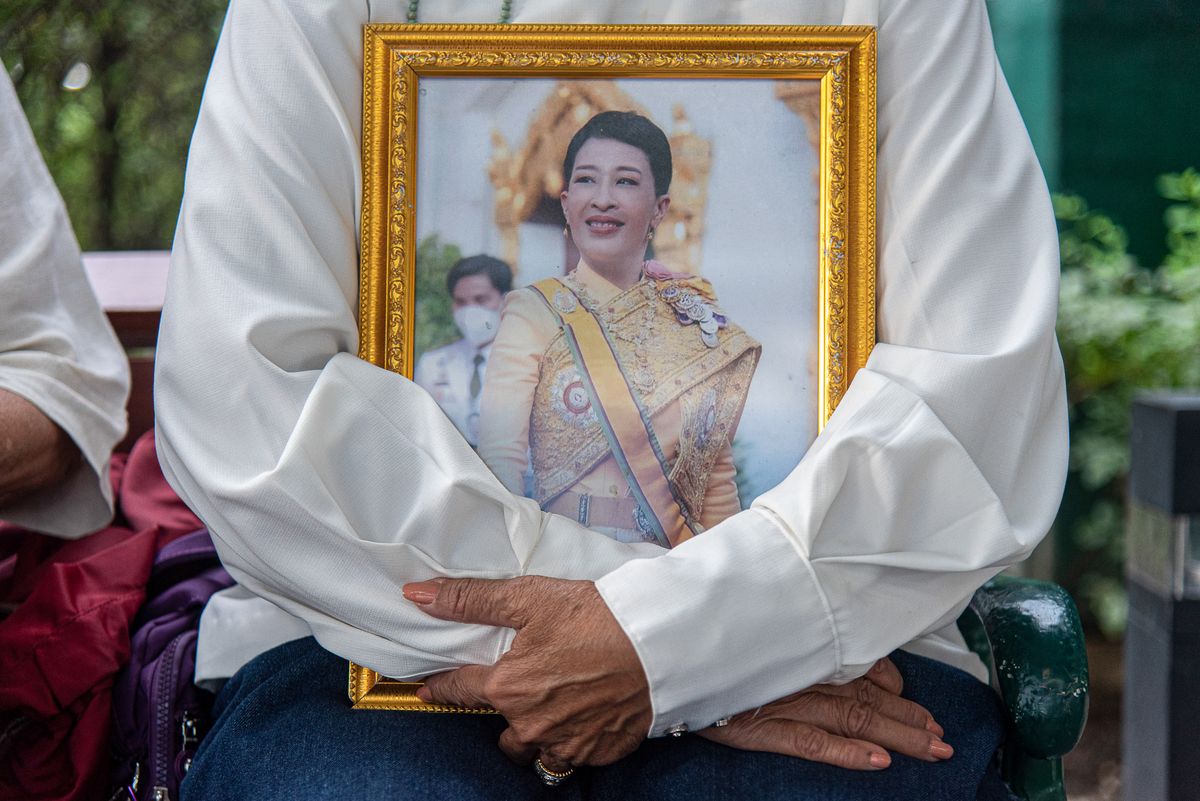 © SOPA Images
“Their Majesties the King and Queen of Bhutan received with great sadness the news of the passing of Her Royal Highness Princess Bajrakitiyabha Narendiradebyavati of Thailand,” the statement read.
“Her Royal Highness devoted her life to serving her country and her people. Through her work promoting justice, supporting the welfare of women and children, and her distinguished service in the Royal Thai Armed Forces, she exemplified a deep sense of duty and an unwavering commitment to the well-being of others. Her dedication to public service earned her widespread respect and admiration.”
The Bhutanese royal couple also extended their deepest condolences to King Vajiralongkorn, the Thai royal family, and the people of Thailand, noting that the nation had lost a beloved princess whose life was defined by service.
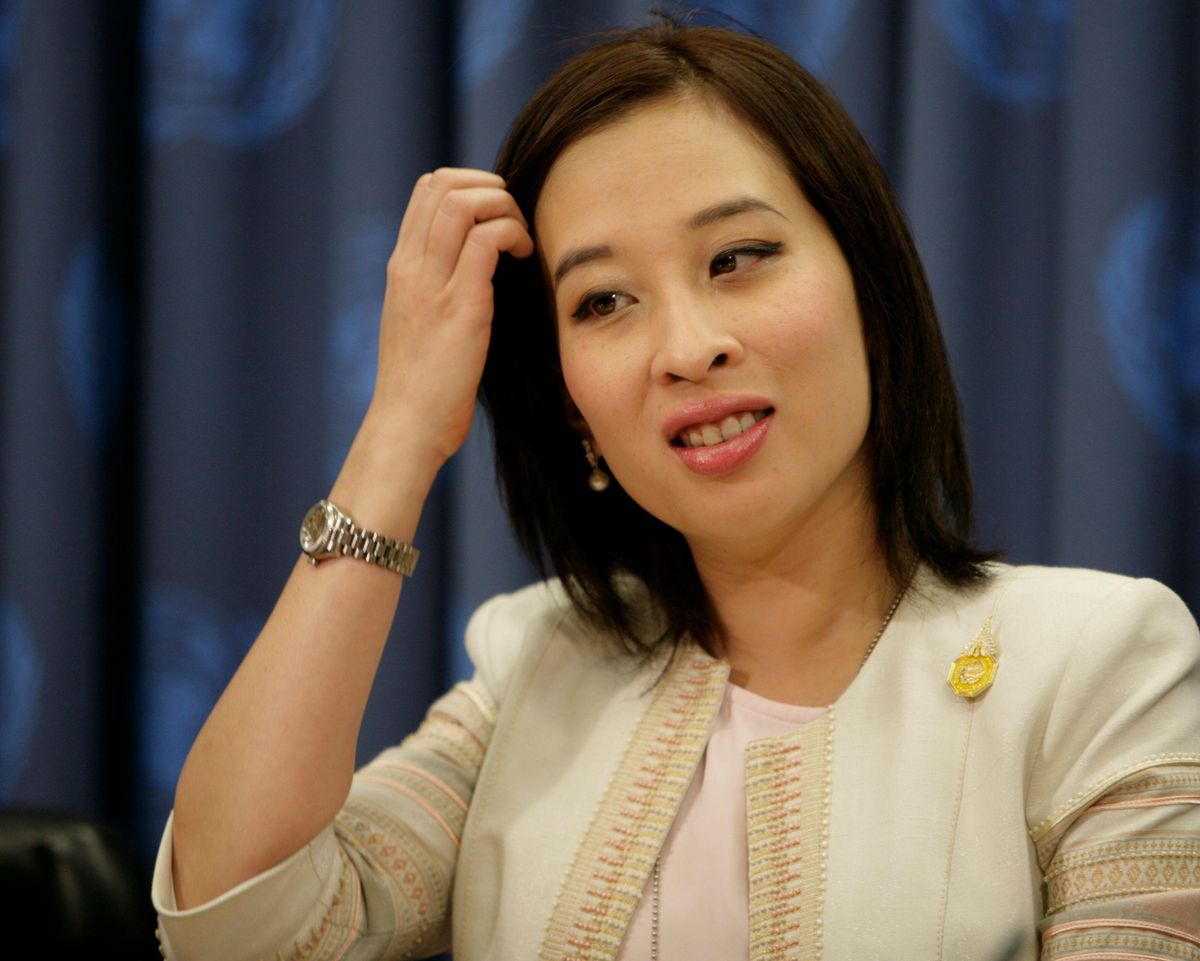 © ZUMA Press, Inc.
Royal Funeral Ceremonies for at Least 100 Days
In a separate announcement, the Royal Household Bureau outlined the public mourning arrangements approved by the King.
- Members of the public will be permitted to participate in a ceremonial ablution rite before the princess’s official portrait at Sahathai Samakhom Hall in the Grand Palace on Saturday, June 13, from 8:30 a.m. to noon.
- Beginning Sunday, June 14, visitors may pay their respects before her portrait daily between 8:30 a.m. and 4:00 p.m. An official condolence book will also be available for members of the public to sign.
- After the first 15 days of royal religious ceremonies, the public will be allowed to pay respects before the princess’s remains at Pimarn Rattaya Throne Hall. Those visits will begin on Saturday, June 27, and will be open daily from 9:00 a.m. to 9:00 p.m.
- The King has also authorized members of the royal family, noble families associated with the Crown, the Privy Council, government agencies, state-owned enterprises, private organizations, and private citizens to sponsor Buddhist Abhidhamma funeral recitation ceremonies after the first 100 days of royal merit-making rites.
- Thailand’s government has declared 15 days of official mourning. Government offices, businesses, educational institutions, and other public facilities have been instructed to fly flags at half-staff.
- Civil servants and public employees will be required to wear mourning attire beginning Friday and throughout the two-week mourning period.
Farewell to Princess Bajrakitiyabha
Her death marks the loss of one of the most respected figures in Thailand’s royal family. For years, she was widely regarded as one of the monarchy’s most capable and admired members, and many viewed her as the best-prepared heir within the royal household.
Born on December 7, 1978, she was the first child of King Vajiralongkorn and Princess Soamsawali. From an early age, she distinguished herself through an exceptional academic record, even by royal standards.
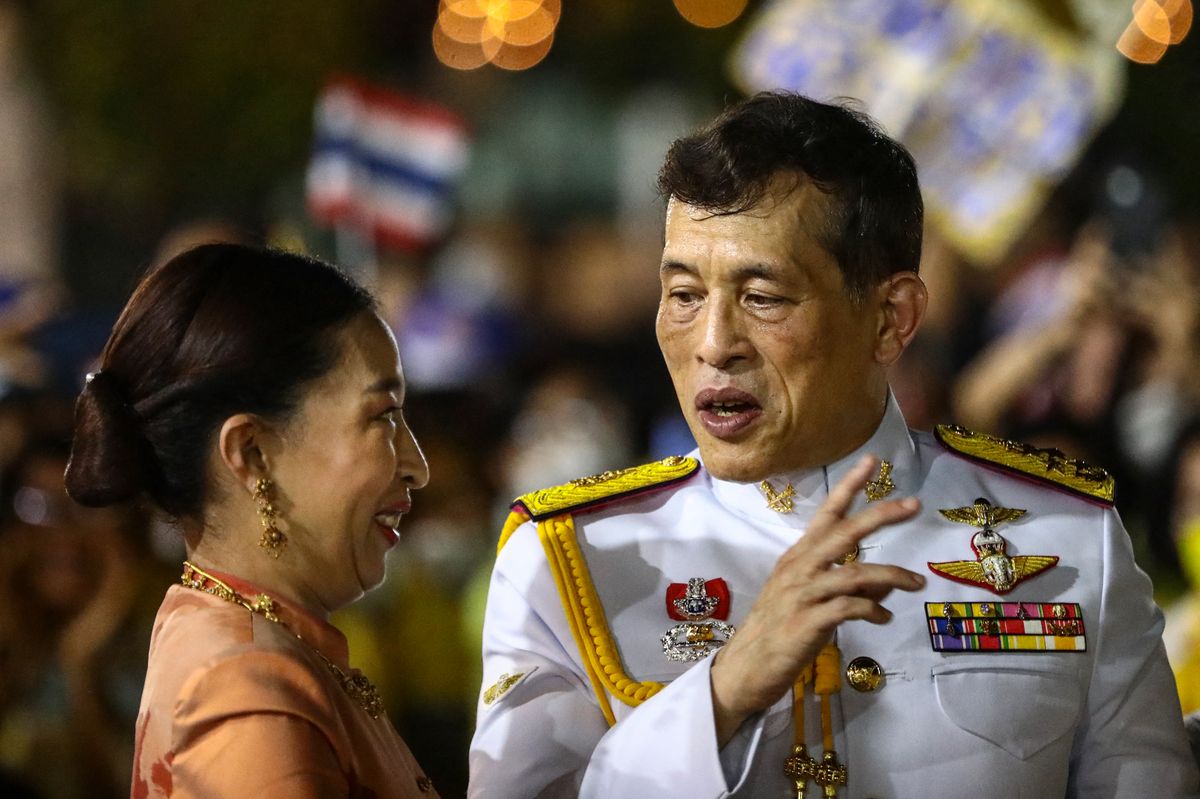 © JACK TAYLOR
She earned a degree in International Relations and later received a doctorate in law from the University of Chicago, one of the United States’ most prestigious institutions.
Throughout her career, she maintained an active public role. She served as a diplomat, represented Thailand as ambassador to Austria, and worked closely with United Nations organizations.
One of her most significant areas of focus was advocating for women’s rights, particularly for incarcerated women, a cause that earned her international recognition. Her public life was defined by professionalism, compassion, and a strong commitment to public service, making her especially beloved among the Thai people.
The Medical Crisis That Changed Everything
The tragedy began on December 15, 2022.
While training her dogs for a canine competition in Nakhon Ratchasima province, the princess suddenly collapsed due to a cardiac condition. Initial reports pointed to a severe heart-related event that triggered serious medical complications and affected multiple organs.
She was subsequently admitted to Chulalongkorn Hospital in Bangkok, where she remained under specialized care.
For months, the royal family’s silence fueled widespread speculation about her true condition. Official updates were rare, and information remained tightly controlled.
Over time, reports emerged indicating that the princess depended on life-support systems to maintain essential bodily functions. Her condition persisted for more than three years, becoming one of the most delicate and closely watched crises faced by the Thai monarchy in recent memory.
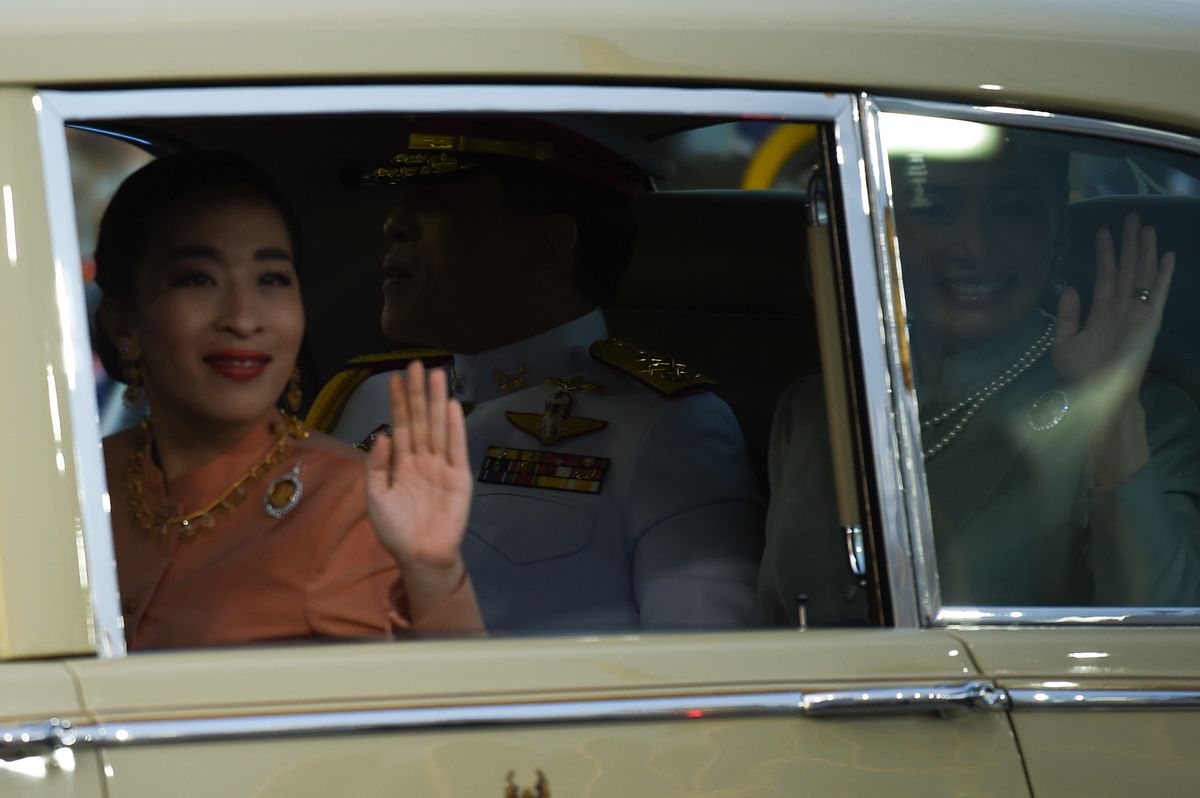 © NurPhoto
The last medical bulletin released by the royal household already reflected a significant decline in her health. Doctors reported a severe bloodstream infection that required intensified antibiotic treatment, blood-pressure medication, and dialysis after her kidney function deteriorated.
The Princess who could have reigned
Beyond the personal loss suffered by her family, Princess Bajrakitiyabha’s death carries major implications for the future of Thailand’s monarchy.
For years, she was widely viewed as the strongest potential successor to her father. Her academic credentials, institutional experience, and popularity with the public made her a broadly respected figure within the royal establishment.
Her passing leaves unresolved a question that has generated discussion in Thailand for years: who will eventually inherit the throne?
Despite having reigned for several years, King Rama X has never officially named an heir apparent. While several members of the royal family remain possible candidates, none possess the same combination of credentials, experience, and public standing as Princess Bajrakitiyabha.
Among the names most frequently mentioned is Prince Dipangkorn Rasmijoti, one of the King’s sons and among the youngest members of the dynasty. For now, however, the decision remains entirely in the King’s hands.
 © NurPhoto
A nation in mourning
The princess’s illness was followed closely across Thailand. Over the past several years, thousands of citizens prayed for her recovery and expressed support for the royal family.
In a country where the monarchy occupies a central place in public life, Bajrakitiyabha’s death is being felt as a national loss.
With her passing, Thailand loses a princess who devoted much of her life to public service and who, for many, represented the future of the institution itself: a highly educated, respected, and admired woman whose destiny seemed closely intertwined with the future of the Thai Crown.
Read the full article here