

The latest wave of controversy surrounding Sydney Sweeney and Euphoria has pushed the series back into the center of cultural debate, with particular attention on the third season’s increasingly provocative portrayal of Cassie Howard.
Season 3, which premiered in April 2026, takes place five years after the characters’ high school graduation. In this new chapter, Cassie’s arc shifts dramatically. After marrying Nate Jacobs, played by Jacob Elordi, she turns to OnlyFans as a way to generate income and stabilize their strained financial situation.
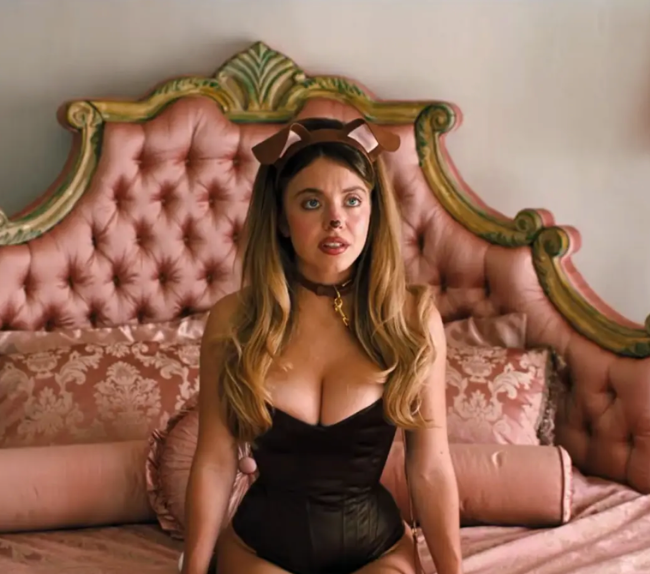
What begins as a storyline about survival quickly becomes one of the most divisive creative choices in the series. Much of the backlash stems from Cassie’s explicit online content within the show’s fictional universe. Critics and viewers have pointed to fetish-themed roleplay scenes, including Cassie dressing as a baby and a dog while engaging in sexualized performances.
 © Getty
One episode, titled “This Little Piggy,” has been singled out for its particularly graphic imagery, including extended nudity and highly stylized adult content sequences that many viewers described as excessive or unnecessary.
The episode also depicts Cassie’s rapid rise on OnlyFans after a controversial on-camera moment with a viral social media influencer. With the help of her manager and former friend Maddy Perez, played by Alexa Demie, Cassie reaches tens of thousands of subscribers and begins a full-scale media tour.
 © PATRICK T. FALLON
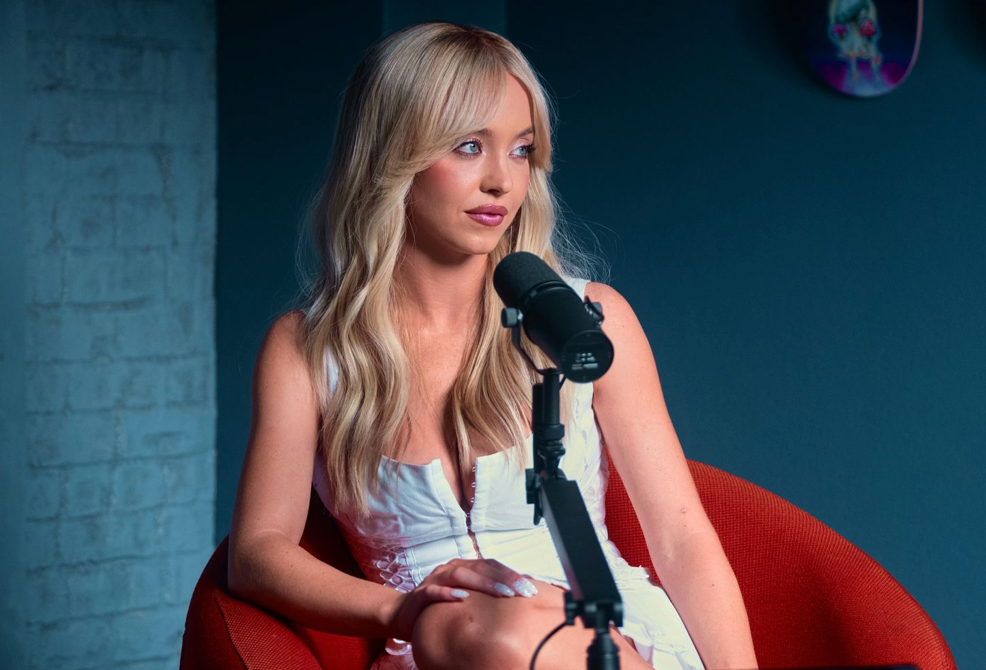
That press tour becomes one of the most discussed narrative devices of the season. In a series of fictional interviews and podcast appearances, including a parody of a show associated with Trisha Paytas, Cassie adopts increasingly provocative rhetoric. She leans into exaggerated “tradwife” talking points, at one point suggesting that American men are being unfairly treated and describing traditional gender roles in idealized terms.
In another moment, she delivers a line that compares certain male complaints to an inflammatory slur, which further escalates viewer criticism of the script’s tone.
 © HBO
© HBOThe most controversial exchange comes during a podcast segment where a host tells Cassie, “You sound like a Democrat.” Cassie responds dismissively and uses a slur referencing intellectual disability. That moment has been widely circulated online and sparked renewed discussion about the show’s handling of satire, shock value, and political subtext.
Beyond the dialogue itself, Cassie’s transformation into a public-facing adult content creator has drawn criticism from real-world creators in the sex work industry.
 © HBO
© HBOSome argue the depiction is exaggerated and unrealistic, especially in how it frames OnlyFans-style work as inherently chaotic and degrading. Others say the storyline reinforces harmful stereotypes about sex workers lacking agency or moral complexity.
Industry voices have publicly criticized the portrayal as caricatured and detached from reality. At the same time, creator Sam Levinson has defended the direction of the series.
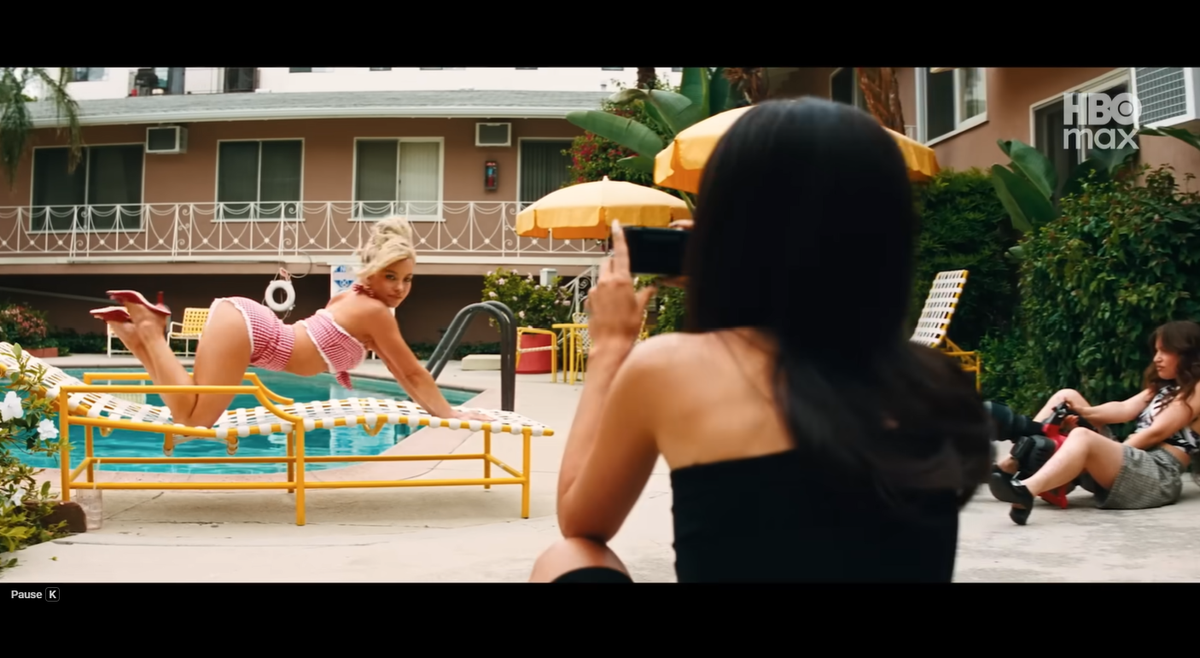 © @HBOMax
He has described the content as intentionally exaggerated, meant to reflect emotional extremes and distorted realities rather than realism. Supporters of the show argue that the heightened tone is consistent with its long-standing style of stylized provocation.
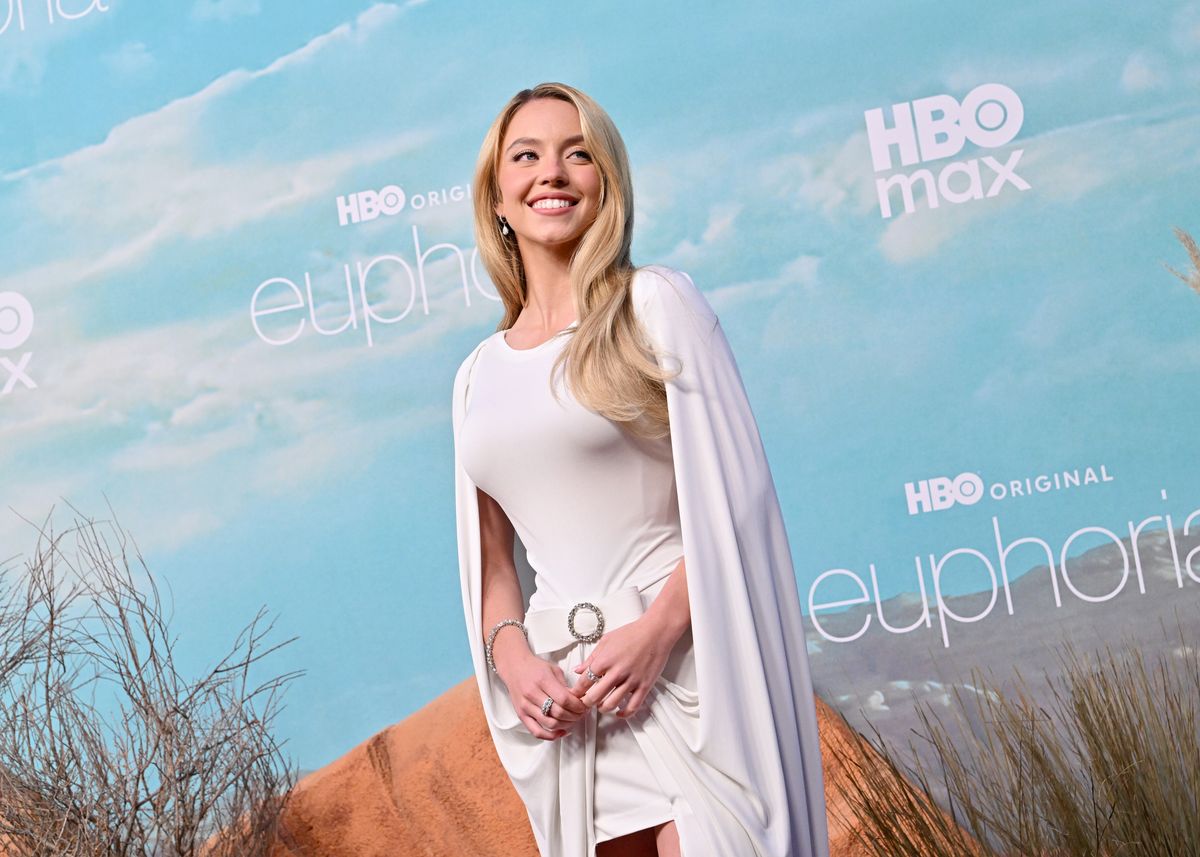
Sweeney has also previously addressed criticism around her willingness to perform nude scenes, arguing that there is a persistent double standard between male and female actors when it comes to on-screen sexuality. She has maintained that her choices are tied to character storytelling rather than personal image.
 © Axelle/Bauer-Griffin
Audience reaction has remained sharply divided. Some viewers argue that Cassie’s arc has been reduced to spectacle, with little emotional depth compared to earlier seasons. Others see the storyline as deliberate satire of internet fame, commodified intimacy, and audience consumption of outrage-driven content.
Complicating the broader conversation, Sweeney has faced unrelated online scrutiny tied to perceived political associations and public controversies outside the show. Past incidents, including viral brand campaigns and family-related social media discourse.
Read the full article here