



Thankfully, super restrictive weight loss plans like the Scarsdale Diet have fallen out of fashion and many of us are now increasingly focused on harnessing the benefits of food through a healthier lens of self-care and well-being.
Key to this body-friendly approach is really paying attention to what exactly is in your food, embracing ingredients with anti-inflammatory properties that are also famed for helping produce the “happiness hormone”, serotonin.
Also trending? Healthy dinners aimed not at waking up with a flat stomach, but at encouraging the calm, restorative sleep that is so beneficial for our physical and mental health every night.
That doesn’t mean though, that a conscious eating philosophy equals being unable to reach and maintain your ideal weight if that’s what you’re hoping to do.
We can acknowledge that those are common goals, while also understanding that to do it in a healthy, effective way can prove to be a real challenge if you aren’t aware of the right tools.
That’s why we’ve turned to the sage advice of medical nutritionist Dr María José Crispín to help reveal the most common mistakes that sabotage the slimming process. She also debunks some deeply rooted myths about losing weight, from eliminating fats to turning to ‘light’ diet products.
So, here’s her expert-approved list of diet “Don’ts” if you’re trying to lose weight:
1. Don’t follow a restrictive diet.
So-called “miracle diets” always come with fine print: sure you’ll lose a lot of weight really quickly, but those pounds are inevitably regained – and with “interest” – once the crash diet inevitably becomes impossible to sustain. “Rapid weight loss is usually accompanied by a loss of muscle mass and fluids, which actually slows down your metabolism. So if you go back to ‘normal’ eating without proper dietary re-education, you’ll likely gain the weight back,” explains Dr Crispín.
“Cutting calories without exercise can cause you to lose muscle mass, which will also slow down your metabolism and create a ‘yo-yo’ effect”
What can you do instead? Think about food as your partner rather than your enemy; learn which foods will nourish you and help you reach your goal weight without restrictions, even if weight loss takes place at a slower pace. “A nutritionist can recommend specific diet plans for an initial kick-start… but always under medical supervision and for a limited time. The key is to maintain healthy habits long-term.”
2. Don’t neglect the exercise piece of the puzzle.
Another mistake that encourages the “yo-yo effect” is focusing on food and forgetting about fitness. “Although your diet is very important in terms of weight loss, exercise is going to play a key role in keeping your weight steady in the long term,” explains the doctor. She suggests mixing cardio with strength training to both hang onto muscle and get into better shape.
3. Don’t completely eliminate fats from your diet.
Fats (along with carbs) tend to be demonised in weight loss plans, but that’s largely down to a misconception. “There’s a common myth that any fat you eat turns straight into body fat,” says the expert. “Actually, the real issue is a calorie surplus, regardless of the source. Whether it’s fat, protein, carbs or alcohol, it’s the calories you don’t burn off that end up being stored as fat.”
“Eating enough healthy fats can actually help curb sugar cravings”
The best approach is to include foods rich in essential fatty acids, like salmon, olive oil and avocado and avoid excessive trans and saturated fats. “Don’t cut out all fats entirely,” she explains, “just choose the right ones.”
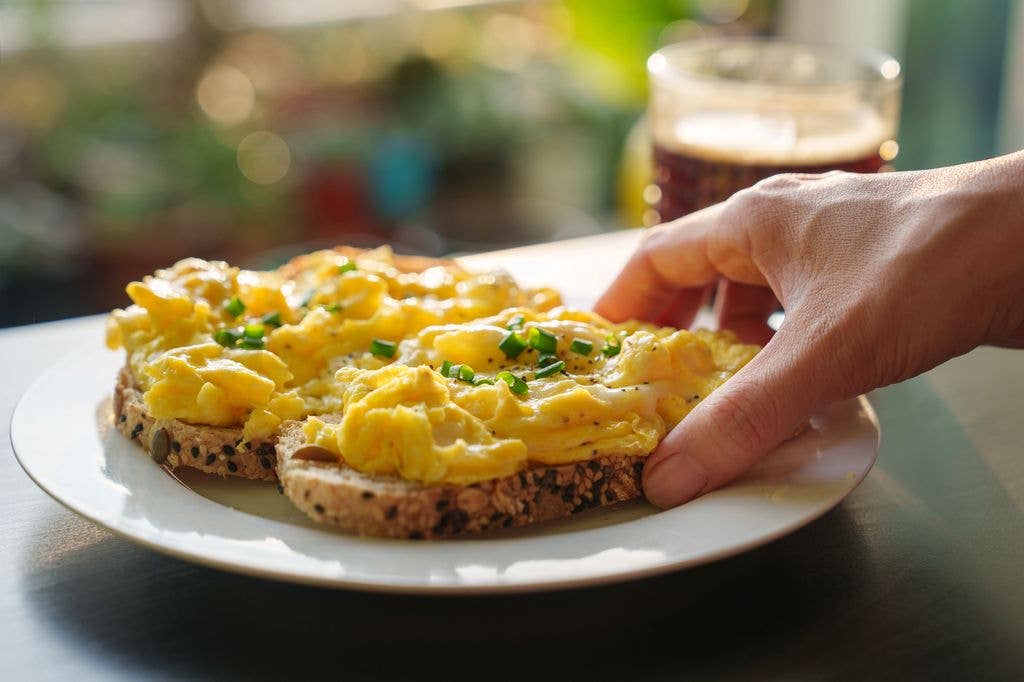
4. Don’t stop eating eggs.
Eggs are packed with top-quality protein, although they’ve historically had a bad reputation when it comes to our health. “For years, people thought eggs sent your cholesterol through the roof, but recent research has debunked that theory,” says the expert.
 © Getty Images
In short, the key to creating a balanced menu is to “look past the myths and stay informed about the latest nutrition research. There’s no need to be scared of eggs or other healthy foods that have been unfairly categorised as ‘bad’.”
5. Don’t overuse ‘light’ or ‘diet’ food products
Finally, Dr Crispín warns against the silent enemies of a healthy diet. “Artificial sweeteners might be calorie-free, but there are various studies that suggest they can alter the gut microbiota and actually sharpen your sweet tooth, making it even harder to shift the weight.” Her advice? “Cut back on ‘light’ [or ‘diet’] products and go for natural alternatives. Sweeten natural yoghurt with fruit, for example, and get your palate used to enjoying less sugary flavours.”
About the expert:
Dr María José Crispín is a licensed medical doctor and nutritionist specialising in aesthetic medicine and metabolic health at Clínica Menorca in Madrid. With over 20 years of clinical experience, she is a recognised expert in integrated weight management and nutritional therapy.
Read the full article here