


Most of us know that the power of a good hair goes far beyond the instant gratification of a bouncy blow-dry. It runs infinitely deeper as hair is intricately intertwined with our identity and self-esteem – something we saw first-hand during our live Q&A with Philip Kingsley brand president and Consultant Trichologist, Anabel Kingsley. You wanted to know everything from the causes of sudden shedding to whether flakes are the result of a dry scalp or dandruff. Her key message? A healthy scalp is the foundation of healthy hair growth. Cleanse regularly, protect it from the sun, use biome-balancing treatments and avoid high heat near the roots. She also stressed the importance of a nutrient-rich diet (“hair is a very demanding tissue”) and managing stress. When it comes to hair loss identifying the type and underlying cause is essential. And her take on viral rosemary oil? “A bit of a fad as the study often referenced is quite flawed.”
What treatments work for hair loss?
What’s your view on topical minoxidil with finasteride and tretinoin for post-menopausal women?
“Topical combinations containing minoxidil, finasteride and tretinoin are becoming increasingly popular, but they are not suitable for everyone and should always be prescribed following a thorough consultation. Minoxidil has the strongest evidence base for female and male pattern hair loss and can be very effective in post-menopausal women.
The addition of finasteride is more nuanced and while commonly used in men, some specialists prescribe it off-label for post-menopausal women. My view is that combination products can be useful in carefully selected patients, but they are not a one-size-fits-all solution. Before starting treatment, I’d recommend obtaining a formal diagnosis. Excessive shedding, diffuse thinning and female pattern hair loss can look similar but require different approaches.”
How much hair loss is normal per day?
How much hair is normal to lose in a day and why does my hair seem to come out more in the shower?
“It’s completely normal to lose up to 150 hairs per day, although this can look very different from person to person, especially as we all have different hair textures and lengths.
Something to bear in mind is that if you only wash your hair every few days, you’re likely to see an accumulation of shed hairs in the shower, which can feel alarming. However, this is usually normal, as these are hairs that have naturally shed and are simply being dislodged all at once. Also, the motion of washing and massaging the scalp helps to release hairs that were already in their shedding phase. The only time to be concerned is if you notice a change from your normal shedding pattern, or changes to your scalp health or visibility.”
Does hair training work?
Is washing your hair more or less better for it? I always hear people say that not washing it can help train the hair?
“Great question! Shampooing (i.e. cleansing your scalp) is excellent for hair growth as it removes old oils, sweat and dead skin cells. If you leave too many days between shampoos it can cause scalp inflammation and build-up around the follicle. I wish you could train your hair, but unfortunately you cannot!”
Can HRT affect hair loss?
I’ve been taking testosterone as part of my HRT regime and it’s having such a benefit to my energy levels but I’m noticing a lot more shedding and am worried the two are linked?
“Hair is very sensitive to hormone levels and some women do experience some extra shedding when they start or stop an HRT – this isn’t just limited to testosterone though. If it is linked, and you have ongoing problems with your hair (i.e. shedding that continues for more than three to four months), you can look into topical medicated products that will help to counteract any negative impact on your hair.
Many women notice that after menopause their hair becomes drier, rougher, frizzier and less reflective of light. At the same time, falling oestrogen levels can make genetically susceptible follicles produce progressively finer hairs, which can lead to widening of the parting (one of the classic signs female pattern hair loss may be developing) and reduced overall density. We would want to investigate possible contributing factors such as hormones, nutritional deficiencies and female pattern hair loss before recommending treatment.”
 © Leandro_Crespi
Can stress cause hair loss?
I think work stress is making my hair fall out – I’m in my late 20s and when I brush my hair, more falls out than usual. Should I be worried?
“Stress can definitely trigger increased shedding. The most common type of stress-related hair loss is called telogen effluvium, where more hairs than usual shift into the shedding phase of the hair growth cycle. An important thing to note is that there is often a delay of around 6–12 weeks between the trigger and the increased hair fall you’re noticing now. It’s also not a permanent or progressive type of hair loss, so please don’t worry. While it can be alarming to see more hair in your brush, occasional periods of increased shedding are common and often resolve on their own, or once the underlying issue is rectified. However, if the shedding continues for more than a few months, your ponytail feels noticeably thinner, or you’re concerned, it’s worth seeking advice from a trichologist. Hair shedding can also be linked to nutritional deficiencies and imbalances, so it’s important not to assume stress is the only cause.”
Is dandruff or a dry scalp causing my flakes?
How do I know whether my flaky scalp is dandruff, dryness or something else?
“A dry scalp is pretty rare. The scalp is naturally an oil-rich environment. If you see flakes, it is very likely to be dandruff which is actually caused by an oily scalp as the yeast that causes it breeds in an oily environment and triggers an increase in cell turnover. As dandruff can contribute to hair loss it’s important to stay on top of it and use anti-dandruff products. You are more likely to get a dry scalp after intense sun exposure or very cold, windy weather. If your scalp is red or inflamed, this is a different scalp condition and is more likely to be seborrhoeic dermatitis or psoriasis (the latter requires prescription products that often contain coal tar). Dandruff is non-inflammatory. It would be worthwhile seeing a derm or trichologist to determine what you have so that you don’t waste money on the wrong thing.”
Root Awakening – Our favourite hair and scalp saviours
Picki Niki Filtered Showerheads, £89
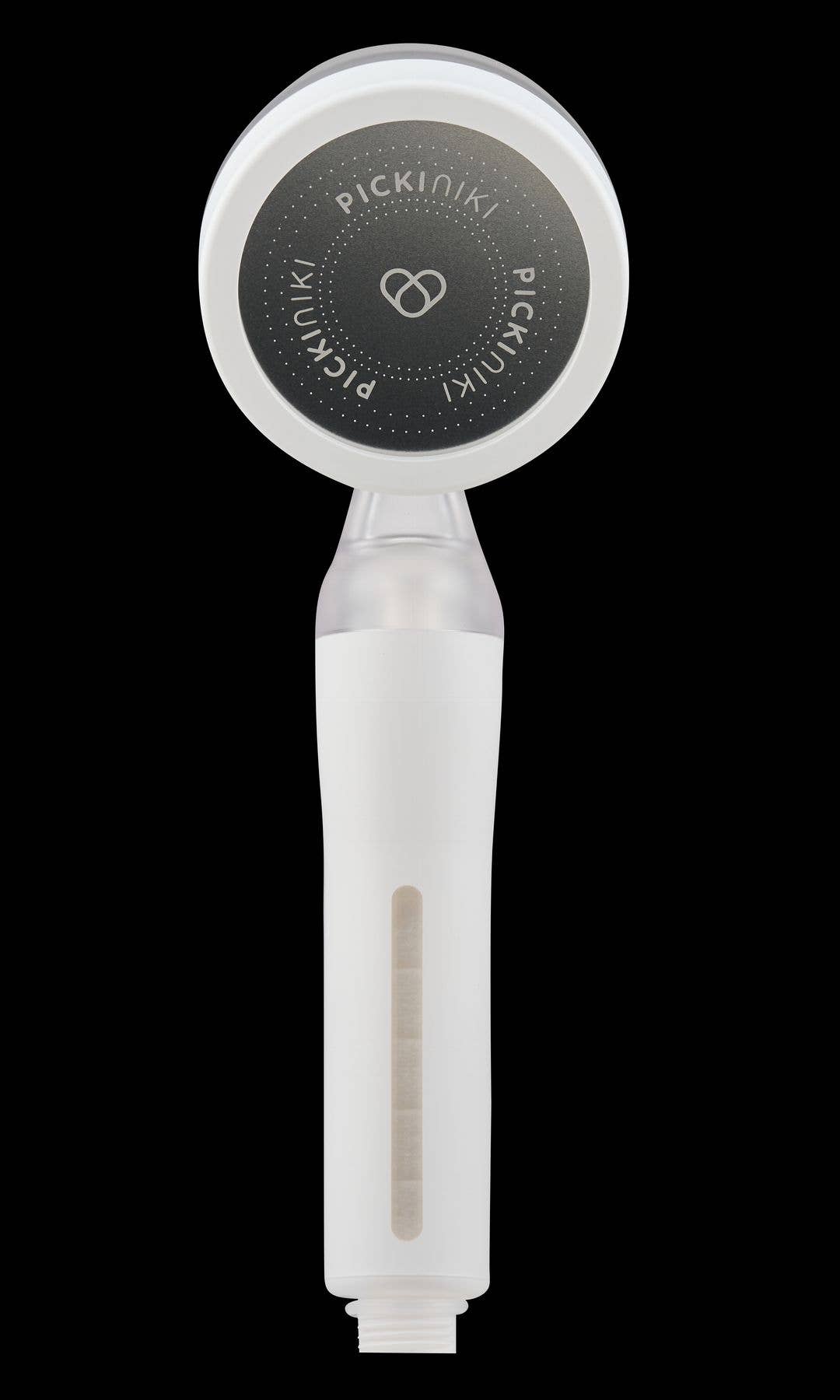
Anabel notes that hard water is not hair-friendly and advises using a chelating shampoo or a water-softening shower head like this K-Beauty hero which also contains a vitamin C gel filter.
Vichy Dercos Anti-Dandruff DS Shampoo, £16
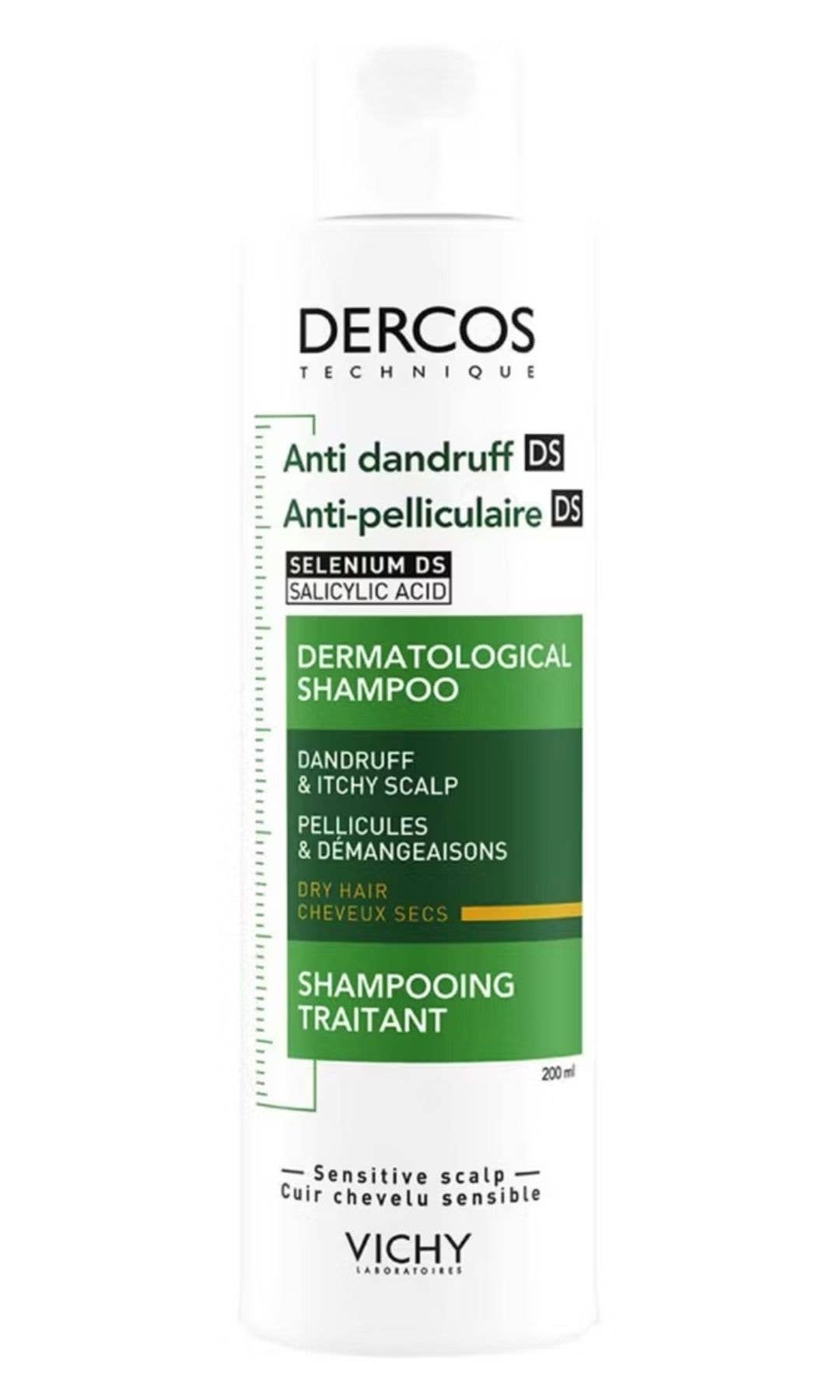
Formulated with 1% selenium disulphide (an anti-fungal agent) and 1% salicylic acid, this soothing formula helps to restore scalp harmony and keep shoulders flake-free.
Christophe Robin’s Fortifying Scalp Serum, £47
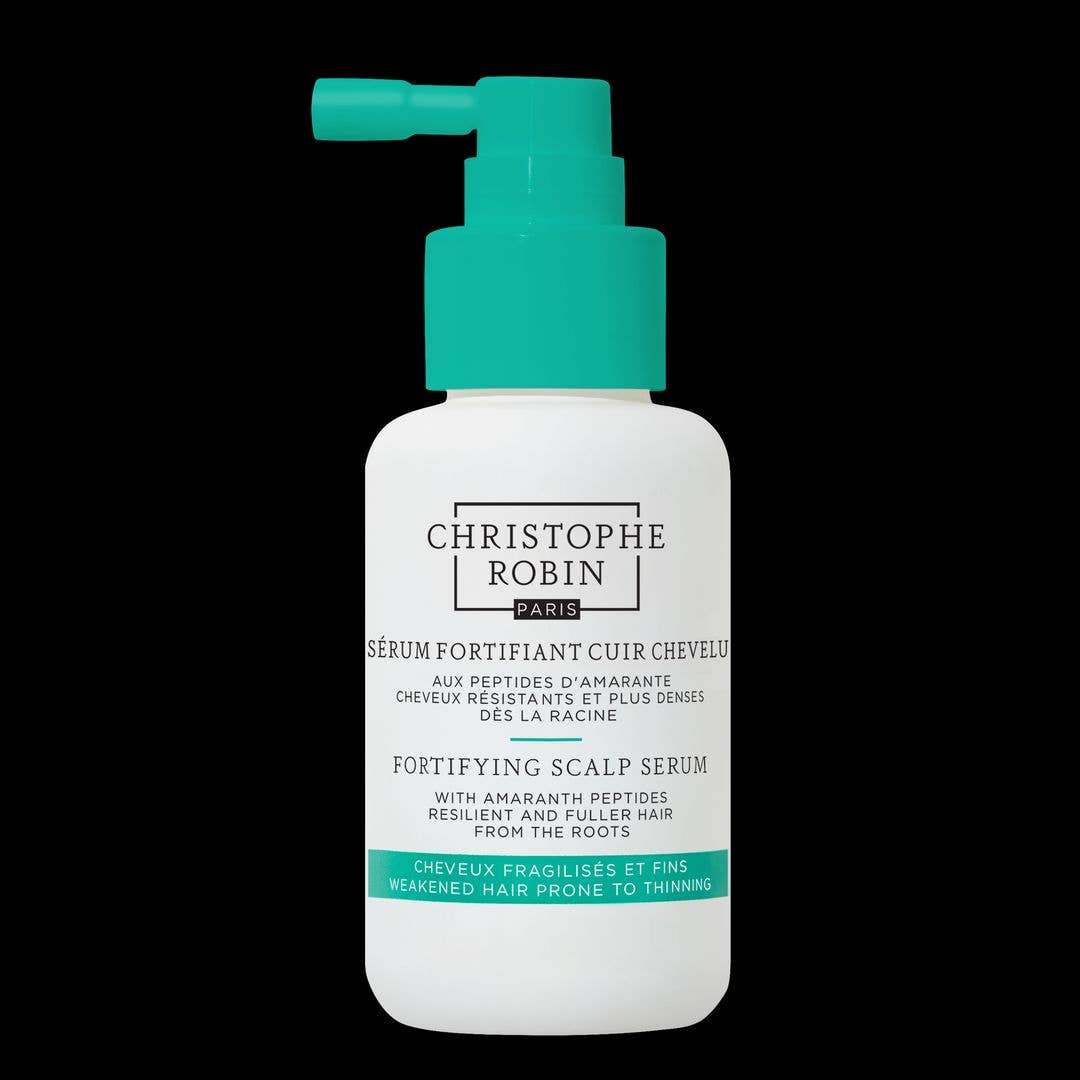
“A daily scalp serum can help optimise healthy hair growth” says Anabel. We’ve been loving this one which contains a scalp-supporting blend of Amarynth peptides, hyaluronic acid and caffeine.
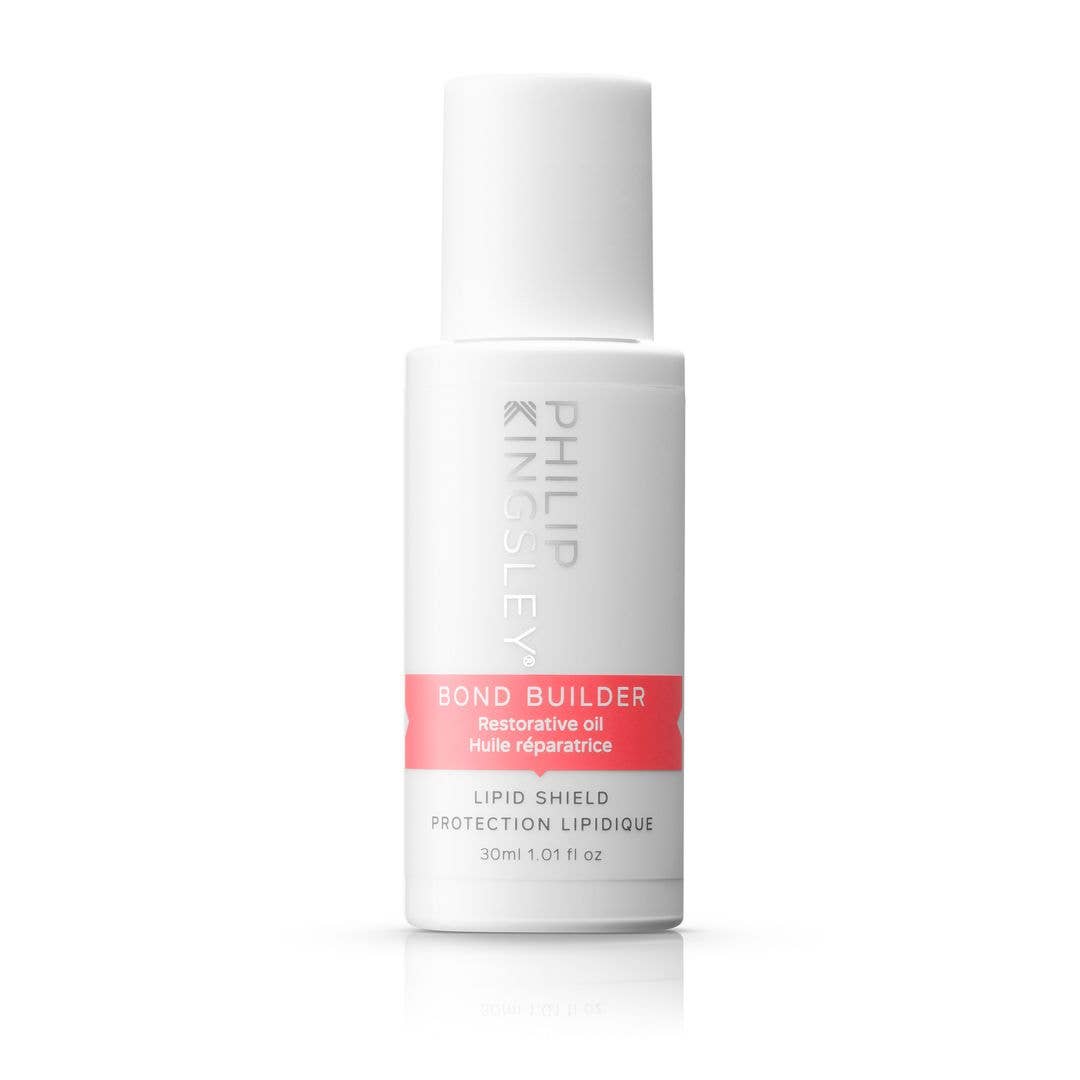
Philip Kingsley Bond Builder Restorative Oil, £32
 © MONTY
“Bond builders definitely work, and they don’t just coat the hair, they actually get into the cortex (inner part of strands),” says Anabel. However she notes that as nothing can totally repair damage you need to keep using them.
Silke London Double-Lined Silk hair Bonnet, £70
Anabel advises sleeping with a silk bonnet and wearing hair in a low traction style like a braid if you’re noticing traction alopecia from sleeping on the same side. This one has an expandable depth to hold every length.
Read the full article here