

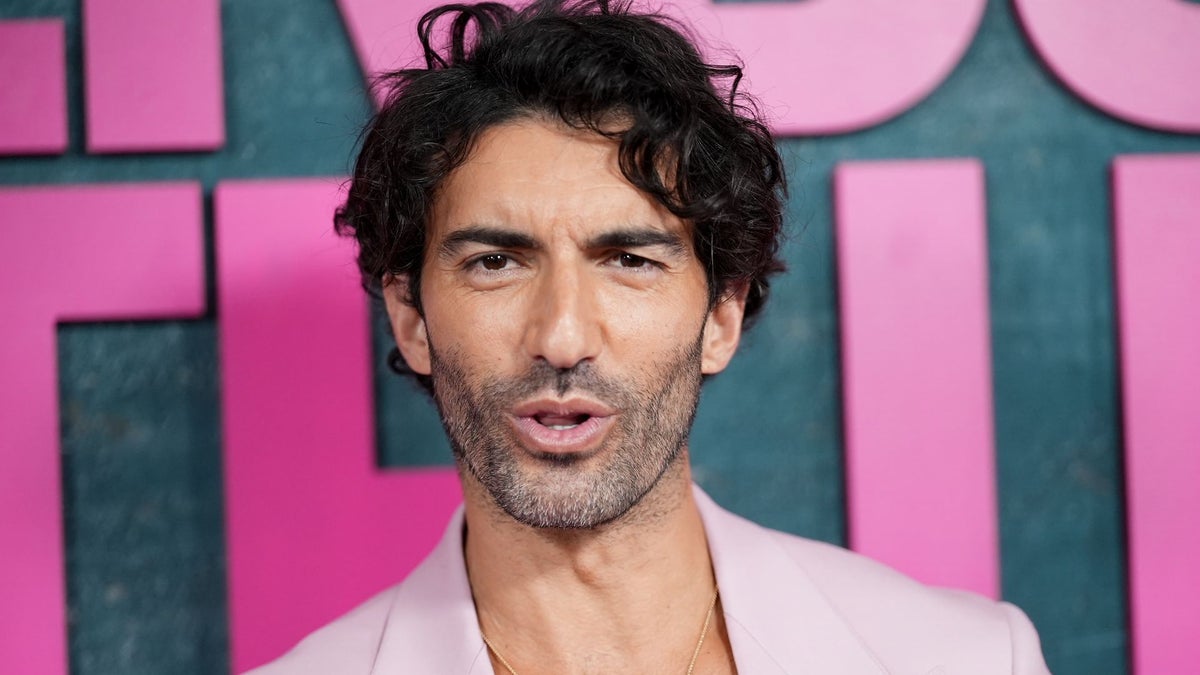

Justin Baldoni is going to need to balance some checkbooks and run some numbers. News broke Monday that the actor’s production company, Wayfarer Studios, has been ordered to pay The New York Times $171,616.20 following the dismissal of its defamation lawsuit against the newspaper.
According to court documents reviewed by TMZ, New York Supreme Court Justice Gerald Lebovits granted summary judgment in favor of The Times and awarded the newspaper the six-figure amount.
The timing is a little brutal because he’s also celebrating his anniversary with his wife Emily. Around the time TMZ broke the news, Baldoni shared an old photo from their wedding date with the caption, “13 years later… we’re still dancing.” “Happy anniversary, my love. I’m pretty sure this was the exact moment my pants ripped open.” The couple recently shared their first statement about the legal battles.
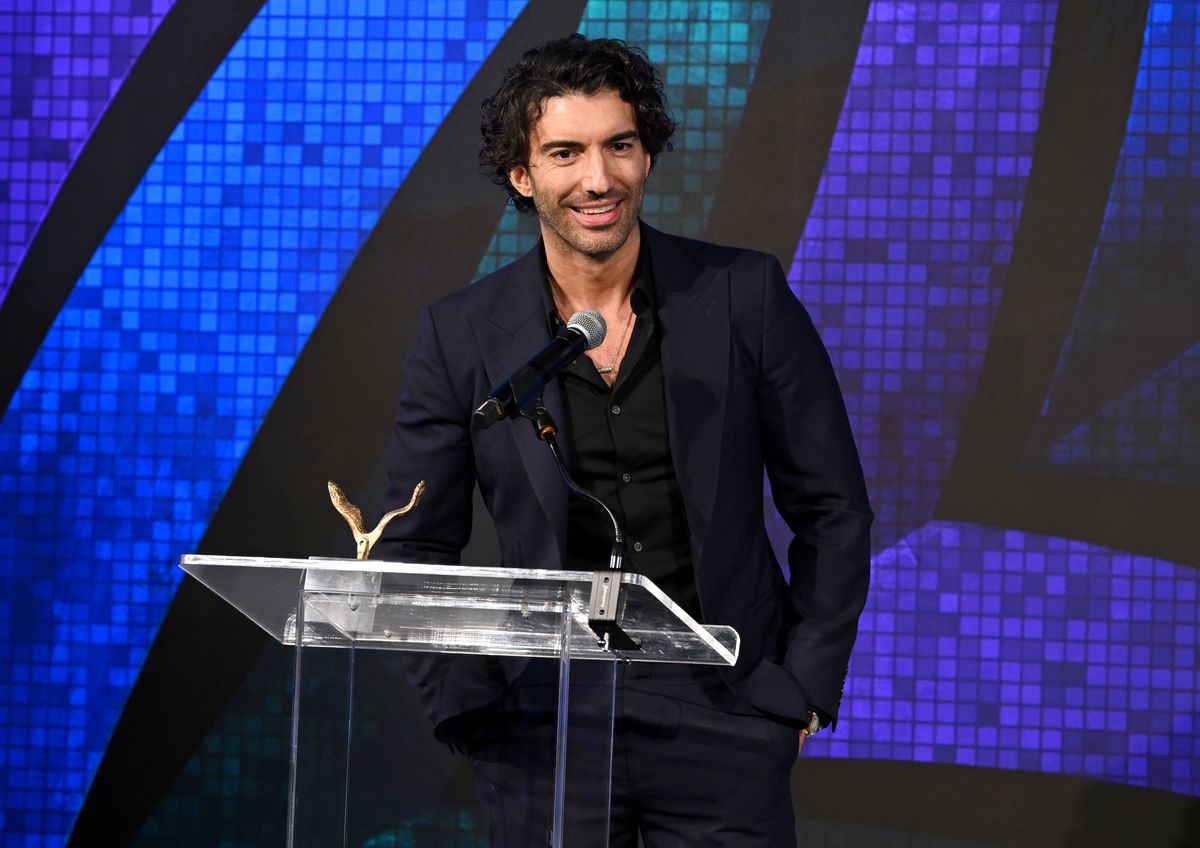
Baldoni vs The Times explained
 © Bryan Bedder
The ruling adds another financial chapter to the legal fallout surrounding It Ends With Us, which began publicly in late 2024 after Blake Lively accused Baldoni of sexual harassment and retaliation. Baldoni has denied her allegations.
That December, The New York Times published an investigation titled “We Can Bury Anyone: Inside a Hollywood Smear Machine,” which addressed Lively’s claims and the alleged effort to damage her reputation after she raised concerns about her experience working on the film.
Baldoni and Wayfarer fired back with a $250 million defamation lawsuit against the newspaper, arguing that its reporting relied on communications that had been selectively presented and stripped of important context.
The case didn’t survive. A judge dismissed the defamation claims in June 2025. According to TMZ, The Times turned to New York’s anti-SLAPP protections to recover money it spent fighting the lawsuit “against plaintiffs who, like Wayfarer, commence or continue meritless legal claims for the purpose of ‘harassing, intimidating, punishing or otherwise maliciously inhibiting the free exercise of speech.”
The newspaper sought approximately $181,000 in costs and attorneys’ fees, with the court ultimately awarding $171,616.20.
A source close to Wayfarer told TMZ that the team understood the risks that came with taking legal action against The New York Times but still viewed the lawsuit as an opportunity to put evidence surrounding the dispute into the public record.
“The case was lost on journalistic privilege, not on the facts,” the source told TMZ. The source went on to call getting that evidence into the open “a significant victory in itself,” while also taking aim at Lively’s own multimillion-dollar request for legal fees.
“It also shows how completely out of reality Lively’s attempt to extort millions out of Wayfarer for attorney fees for just one portion of their defamation countersuit really is,” they told the outlet.
Blake Lively is asking for more than $8 million
 © Jose Perez/Bauer-Griffin
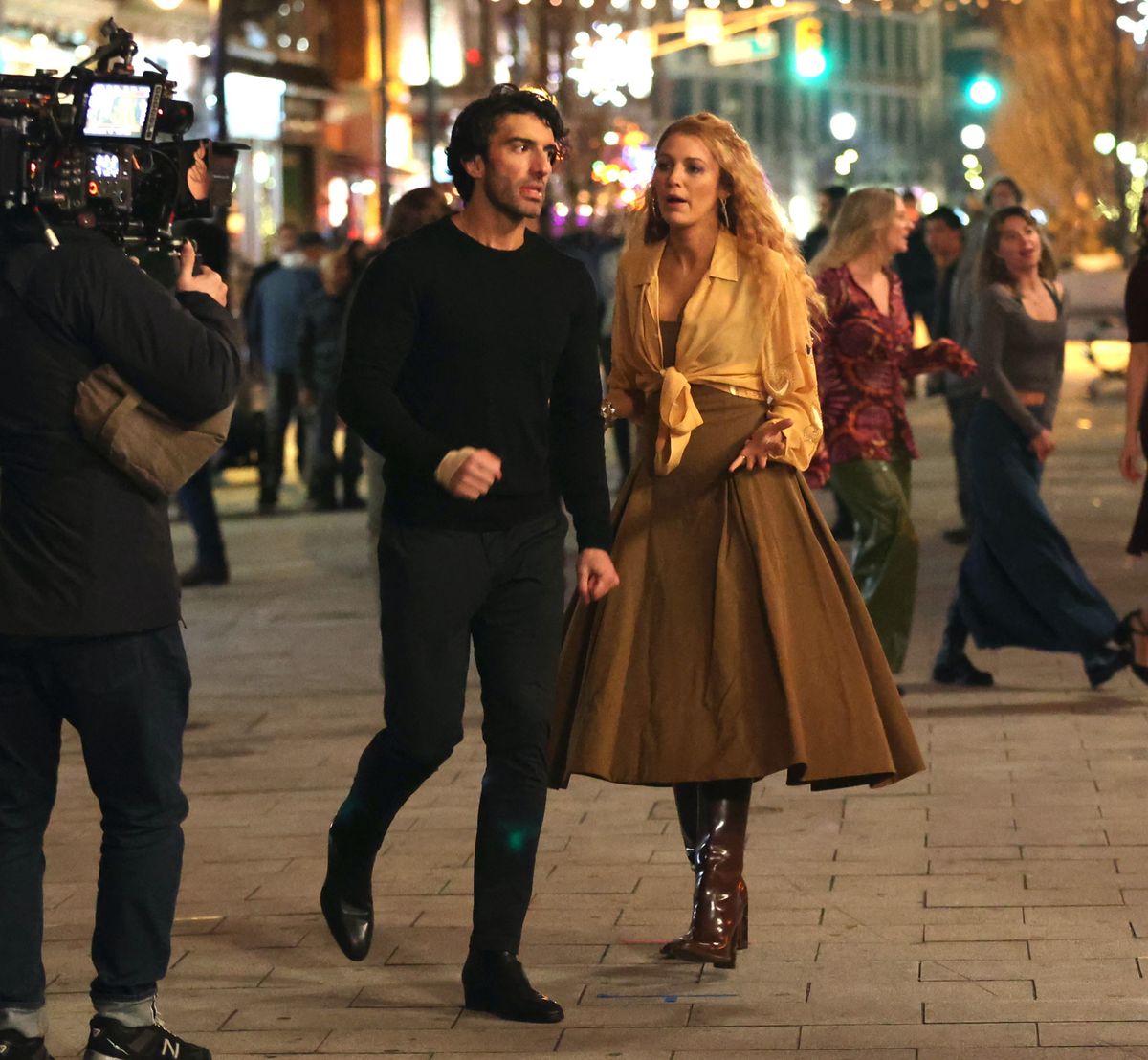
Wayfarer’s $171,616.20 bill arrives as Baldoni and his company are fighting a much bigger potential payout to his former costar.
Lively is seeking more than $8 million in attorneys’ fees and litigation costs stemming from Baldoni’s claims against her. A judge previously ruled that she is entitled to recover legal fees, but exactly how much she will receive has yet to be decided.
Baldoni isn’t ready to write that check. His attorneys argue the amount Lively is seeking is excessive and have asked the court to either award her nothing or slash the figure.
His team has questioned how the bill got so high, pointing to records showing a legal team that logged more than 7,000 hours on the case.
They also made an interesting comparison in their argument: The New York Times.
“At minimum, the Court should substantially reduce the request, using as a benchmark the $181,622.70 the Times sought after securing dismissal of Count II on its separate motion to dismiss – the same outcome Lively achieved,” Baldoni’s attorneys argued in the filing.
The attorneys’ fees were left for the judge to resolve separately when the broader litigation between Lively and Baldoni came to an end earlier this year. Under their agreement, the eventual decision on that issue cannot be appealed.
Read the full article here