

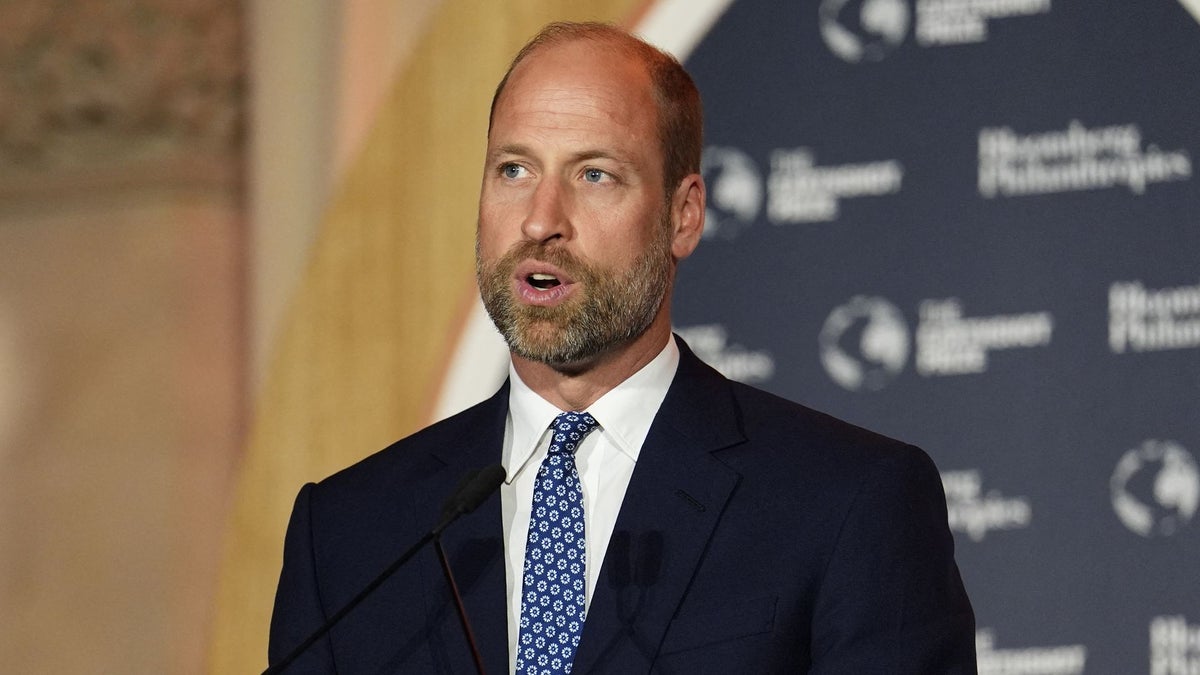

The Duchy of Cornwall has released financial reports that mark a turning point for the British Crown’s finances. The Duchy, now run by Prince William, has traditionally functioned as a private fund to support the heir to the throne. It’s now charting a new course, with William choosing to run it in support of the causes he champions, not simply as a source of income.
A New Model for the Prince of Wales
The push to make royal finances more public has made Charles III the first British monarch to publish his tax filings.
Prince William is following suit with the Duchy of Cornwall, releasing its 2026 Integrated Impact Report to lay out a new strategy. The report covers not only the results of the past financial year but also outlines a $630 million investment plan for the next decade, underscoring William’s commitment to social and environmental causes. It highlights a distributable profit of $27 million, along with $6.9 million invested in environmental programs.
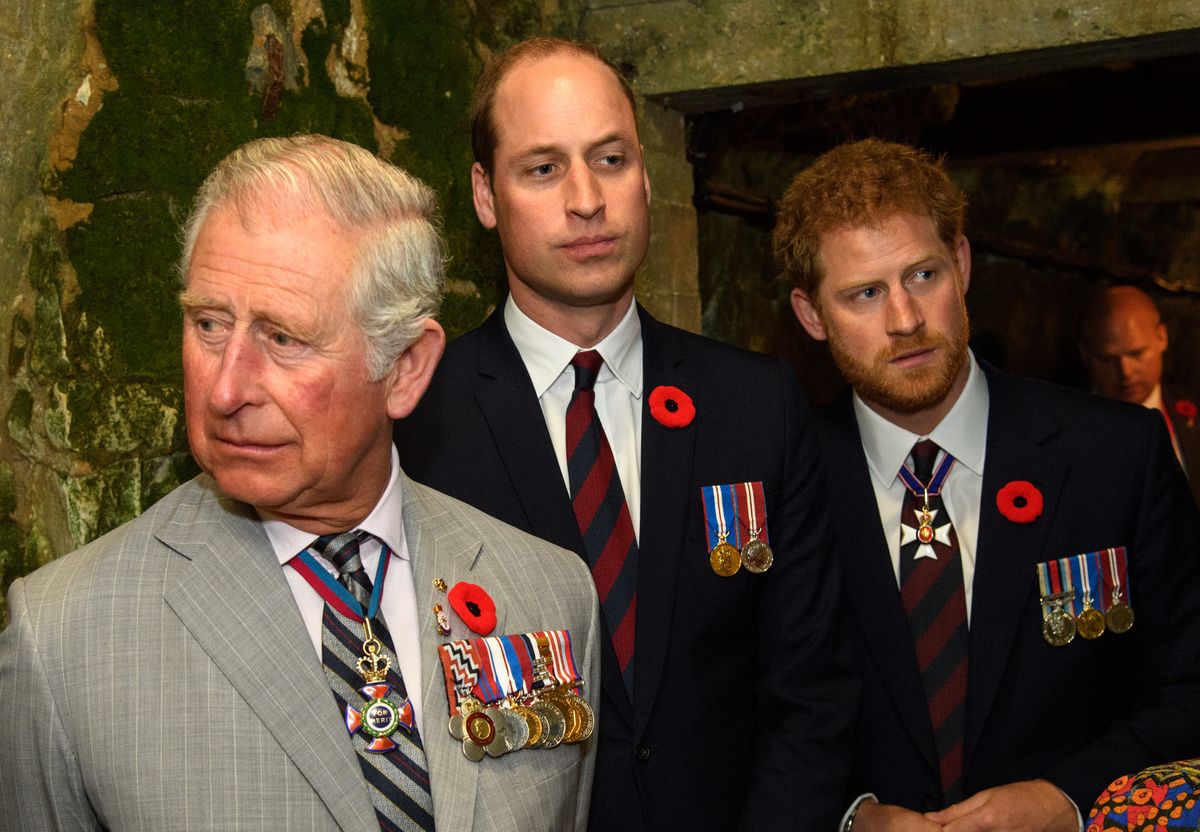 © Pool
The Duchy is also investing in its organizational capacity, aiming to strengthen its impact. Cornwall is a Crown duchy automatically inherited by the monarch’s eldest son, created by Edward III in 1337, giving the heir an income and financial independence. Since Charles III’s accession, William has overseen the estate’s farms, land, and financial investments, known in Britain as the Prince of Wales’s “private” holdings. By opening up the private side of his finances, William is revealing his real goal: turning the Duchy into an organization known for setting the standard on impact, having a direct hand in building more resilient communities, and protecting the environment.
William’s Growing Concern
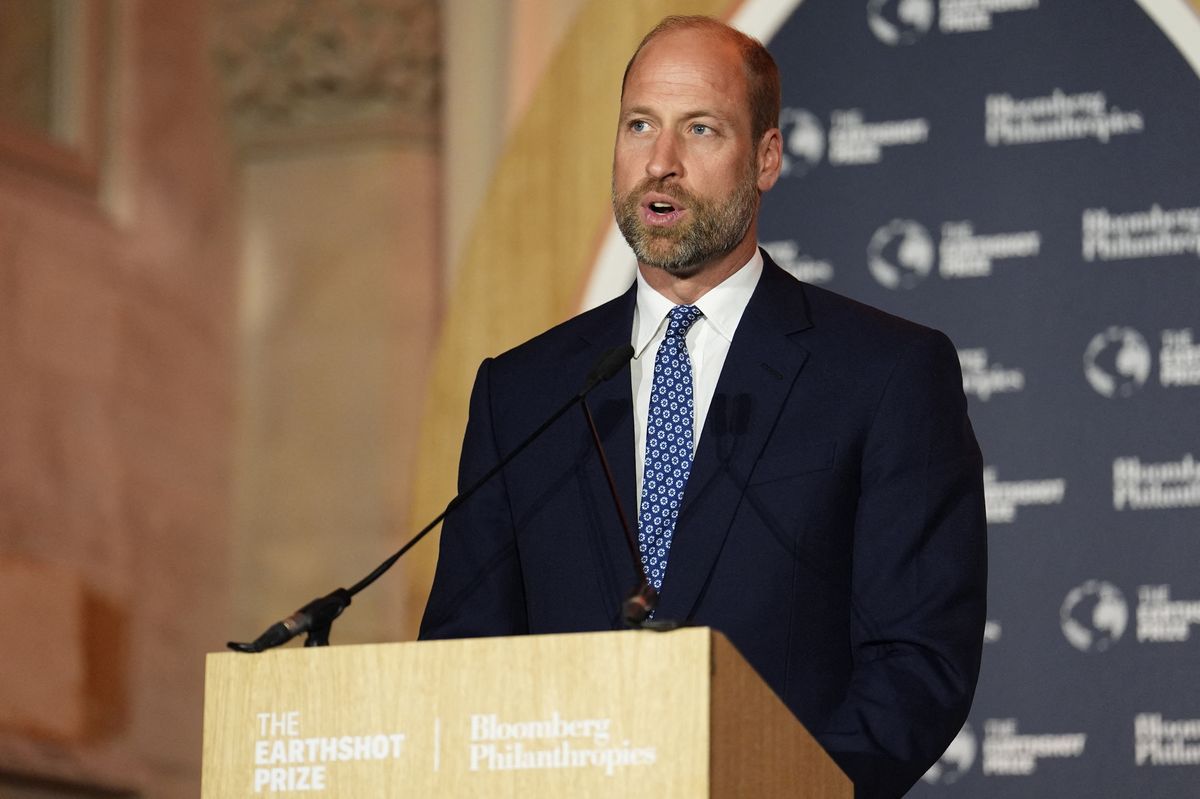
In recent years, the Prince of Wales has shown an ongoing concern for big-picture issues like the environment, most visibly through the Earthshot Prize, the environmental award he founded. So it’s no surprise his new plan appears to take on the housing shortage, with a focus on developing the regions where the Duchy holds the most assets: Cornwall, the Isles of Scilly, Dartmoor, the Bath area, and Kennington.
Other standouts in the report include the redirection of $1.9 million a year in Dartmoor Prison rent to a new community fund for Princetown, the town hit hardest by the prison’s closure.
 © POOL/AFP via Getty Images
The report, covering the fiscal year that closed March 31, 2026, includes plans to build 2,500 new homes, 900 of them affordable. On the Isles of Scilly, the Duchy has invested $3.7 million. In Nansledan, meanwhile, the Market Street development stands out, with more than $24 million invested and over 100 jobs created. On the environmental front, the report highlights a 20-year vision for restoring the Dartmoor landscape, ongoing peatland recovery work, and the expansion of Duchy-managed Atlantic rainforest. Tregooden Farm in Cornwall has also become the Duchy’s first Focus Farm to hit net-zero emissions.
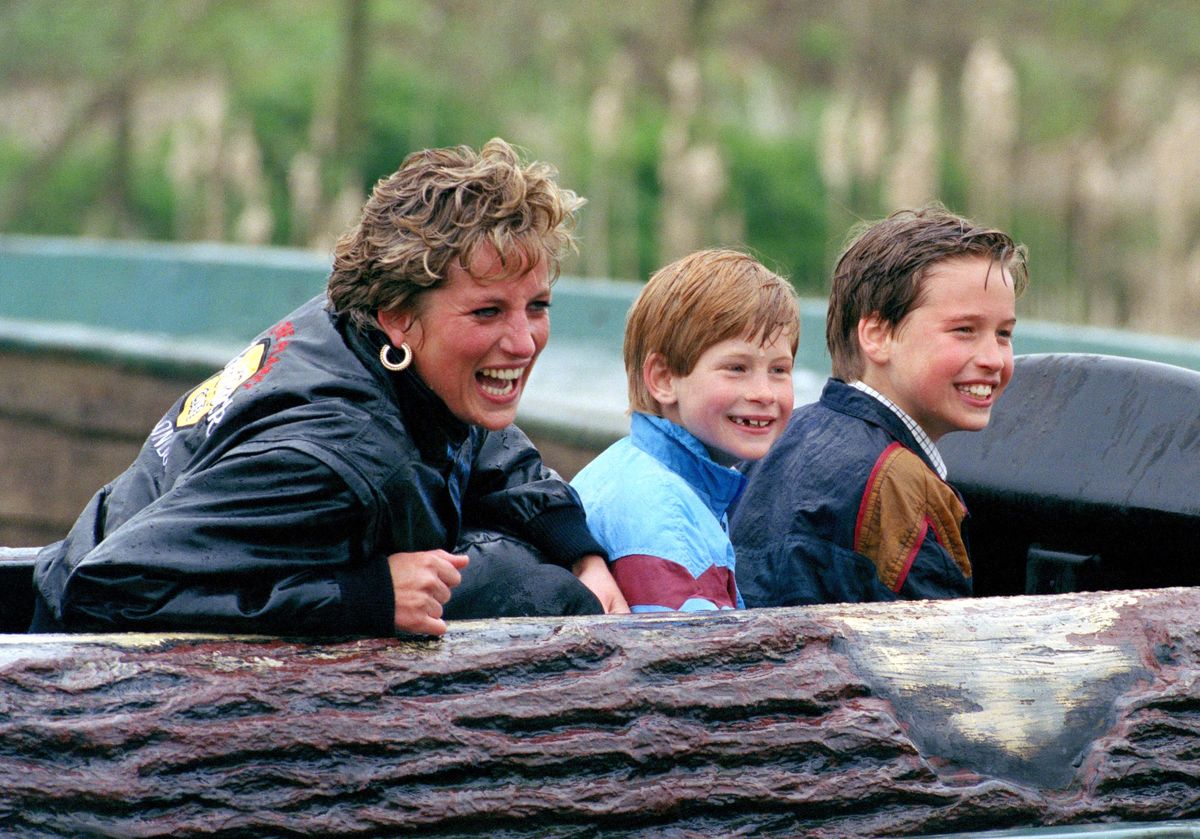
On the social side, the Duchy is tackling homelessness through a Newquay project that has already delivered 16 homes, with eight more in the pipeline. It’s one of the Duchy’s most personal initiatives, tying directly to the Prince of Wales’s upbringing. Princess Diana made a point of teaching her sons what life looked like beyond palace walls. This approach reshaped how the royal family approaches charity work, particularly around homelessness, bringing more empathy and visibility to these issues.
That early lesson has remained with her sons, leading William and Harry to visit shelters and connect with people with respect, dignity, and warmth. The report reflects the same push toward transparency that’s growing more common among Europe’s other monarchies. With it, the Prince of Wales makes clear his intent to reshape how the Duchy operates, turning a centuries-old inheritance into a commitment to the local communities.
 © Julian Parker
Read the full article here