

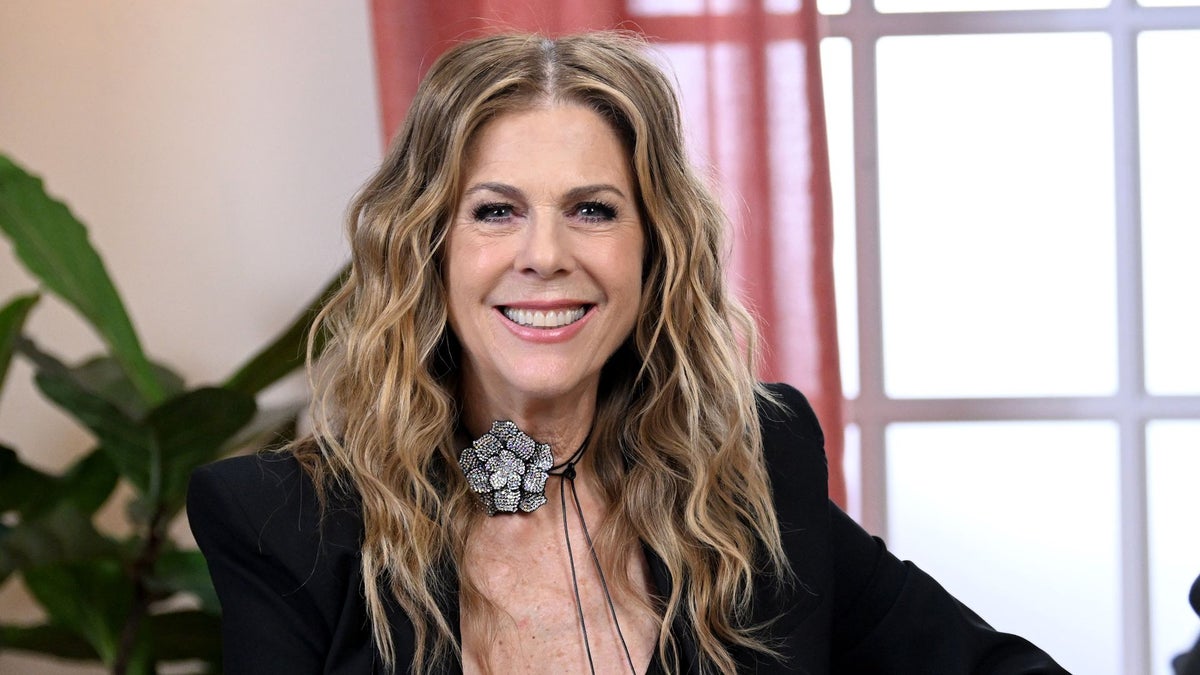

After Rita Wilson lost her mother, it marked an emotional turning point and reshaped how she sees family, memory, and the urgency of connection now. Her mother, Dorothy, died in 2014 after living with Alzheimer’s disease. Years later, Wilson speaks about that loss with honesty.
“Even though she was my best friend, and I thought I had asked her everything that I could possibly want to ask her, still there’s things I wish I had asked her, that I wish I had known,” she shared in a recent PEOPLE cover story. Wilson puts it simply: “You never forget when you lose your mom.”
How Loss Inspired ‘Sound of a Woman’
Her grief found its way into her music, especially on her album “Sound of a Woman,” where she explores identity, womanhood, and the bond between mothers and daughters. The track “Your Mother,” captures that connection. “I know it’s hard for you to see / There was someone else she used to be,” Wilson sings, before delivering the line that anchors the song: “That you’ll never have another / Your mother.”
Wilson hopes the message resonates beyond the music. “Ask your moms the questions while they’re still alive,” she says. It’s direct advice, shaped by lived experience rather than sentimentality.
A Shift in Parenting and Family Dynamics
The impact of losing her mother changed how Wilson shows up in her own family. She shares sons Chet and Truman with Tom Hanks, and is also stepmother to Colin and E.A. Hanks. “For my kids nowadays, I’m probably a bit more unfiltered with them,” she explains. “I just tell them things all the time, and we usually get a lot of laughs out of it.”
 © Jeff Kravitz
Adding: “It’s really that desire to just feel that you’re really known,” she adds. “That there’s no barriers to being with your family and with your children in that way… because you never know.”
Now at 69, Wilson reflects on her life with a broader lens. “All of the experiences that I’ve had that have led me to this point are part of every stitch and every hook that pulls through that cotton,” she says. “That makes the pattern, that then you piece together, that makes the blanket.”
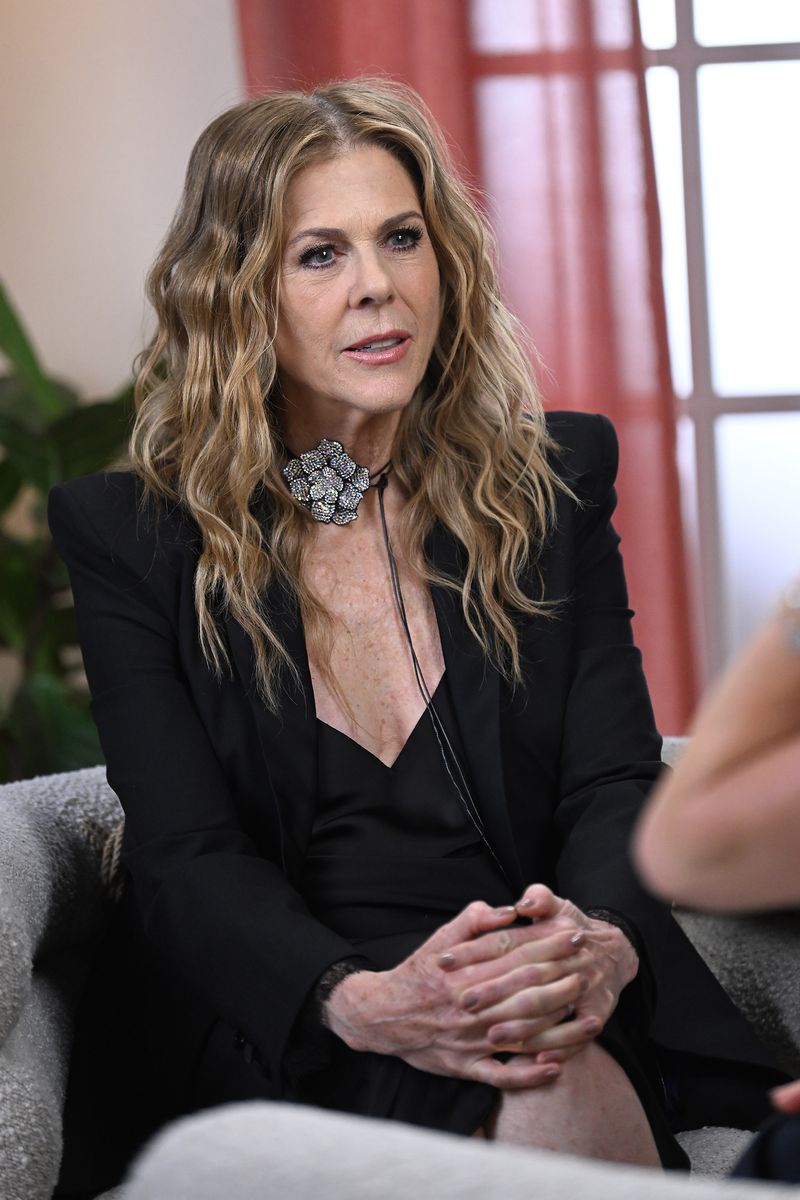 © Getty Images for Tamsen Fadal Me
“I feel like I’m able to see more of the blanket now than I used to be able to see,” she adds.
Read the full article here