

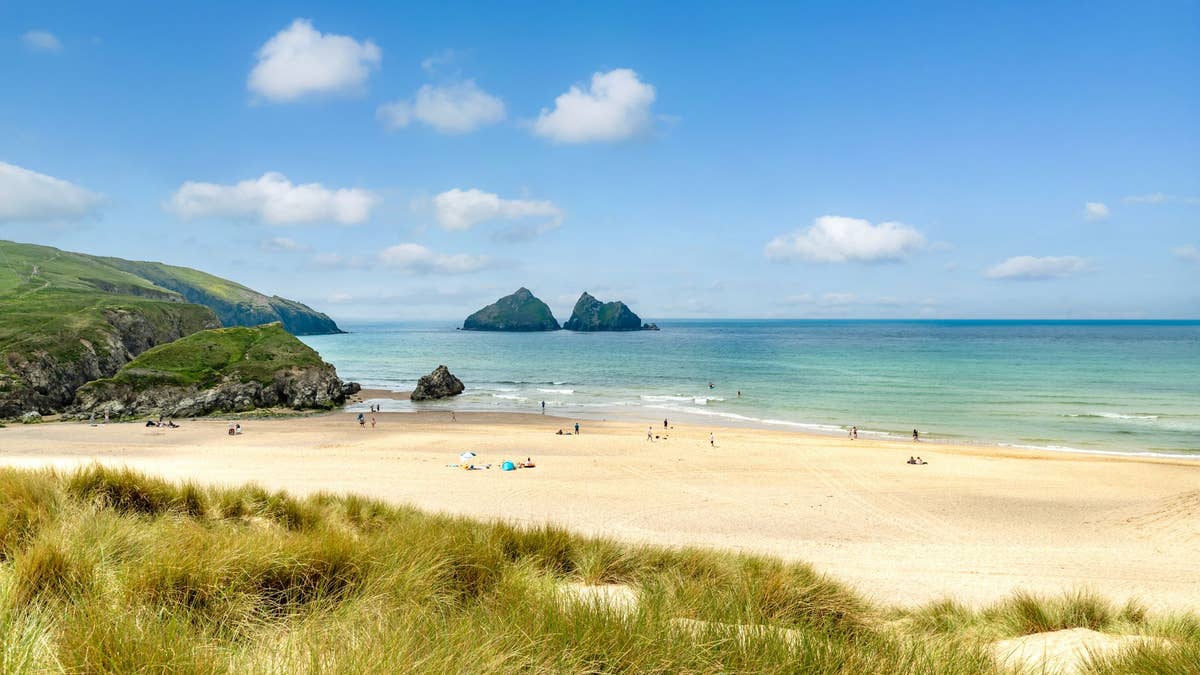

As a travel editor, I’m always asked the same question: what are your favourite countries to visit? I’m met with bated breath as they anticipate my reply, expecting something quirky like Uzbekistan or glitzy like the Maldives. Rarely do they guess that the UK is an immovable fixture on my list of top three destinations in the world.
I didn’t board a plane or sleep in a hotel until I was 17 years old. Instead, my childhood was a flurry of caravan and camping holidays. Yet even after wash-out weeks in wind-swept tents (we’ve paid for it, so we’re staying) in the Brecon Beacons or along the Cornish coast, I maintain that, when the weather shows up, the UK simply can’t be beaten – and it looks as though we’re in for a week of glorious weather.
Perfect for the risk-averse
The geopolitical climate means that uncertainty has reared its head once more in the travel industry. Not since the Covid pandemic have we seen the level of disruption that has been caused by the conflict in the Middle East.
The continuing crisis restricts holidays to popular destinations such as Dubai, but is also impacting the price of oil – and, with it, the price of flights. It’s becoming evident that if things continue as they are we may start to see cancellations in the summer, or, at the very least, price spikes that will make holidays unaffordable for many as they struggle with the cost of living.
 © Getty Images/Westend61
If you want to guarantee a break that is immune to geopolitical events, a holiday on home soil is what you’re looking for.
Hard to beat
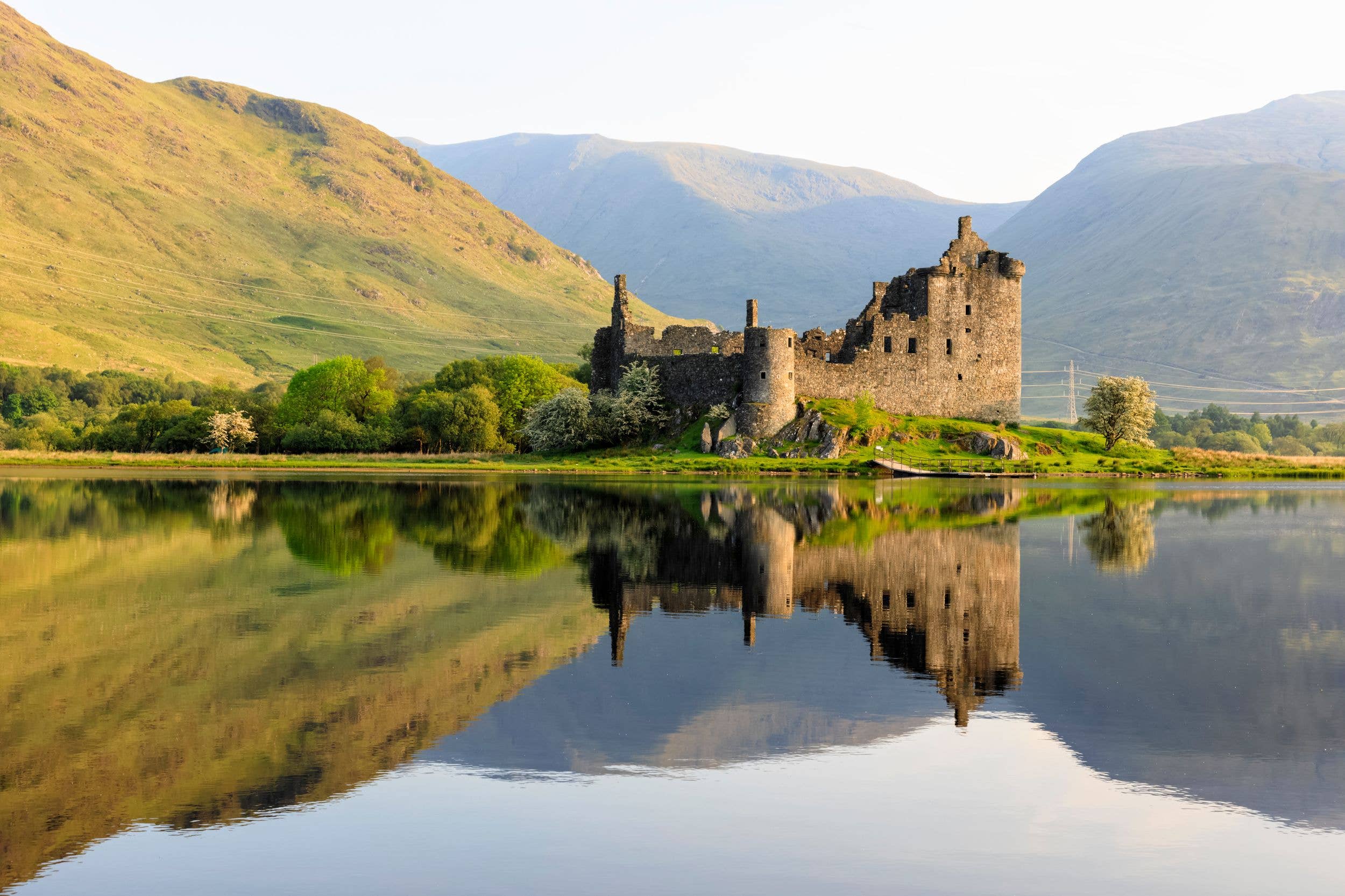
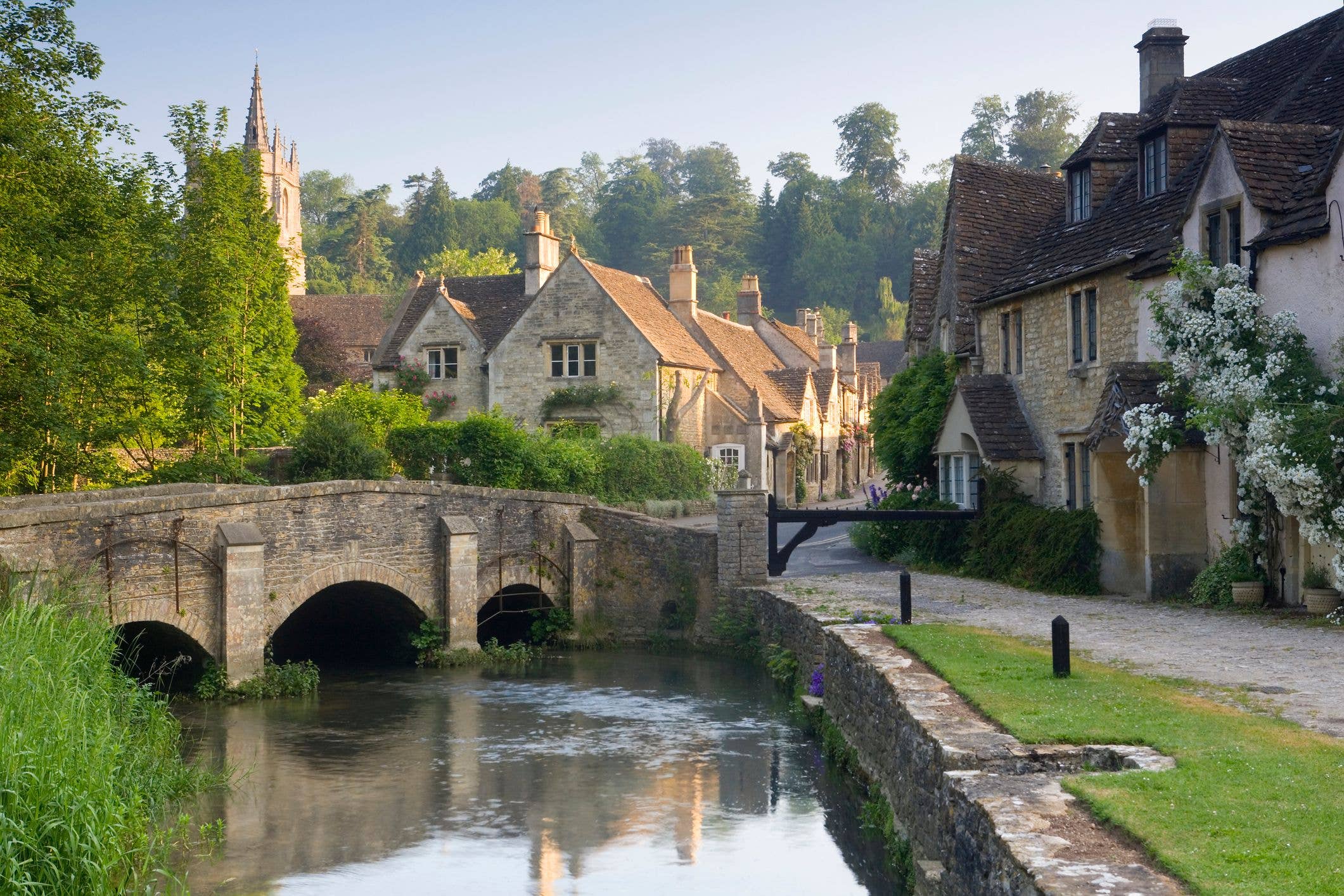
After a cold, wet start to the year, we’ve seen some superb weather since Easter, and it’s enough to remind us why our country is so outstanding. From the honey-hewed towns of the Cotswolds to the wild, heather-strewn peaks of Scotland, and the sweeping sands of Pembrokeshire to the famed coast of Northern Ireland, there’s beauty to be found in every corner of the UK.
 © Getty Images
On the rails
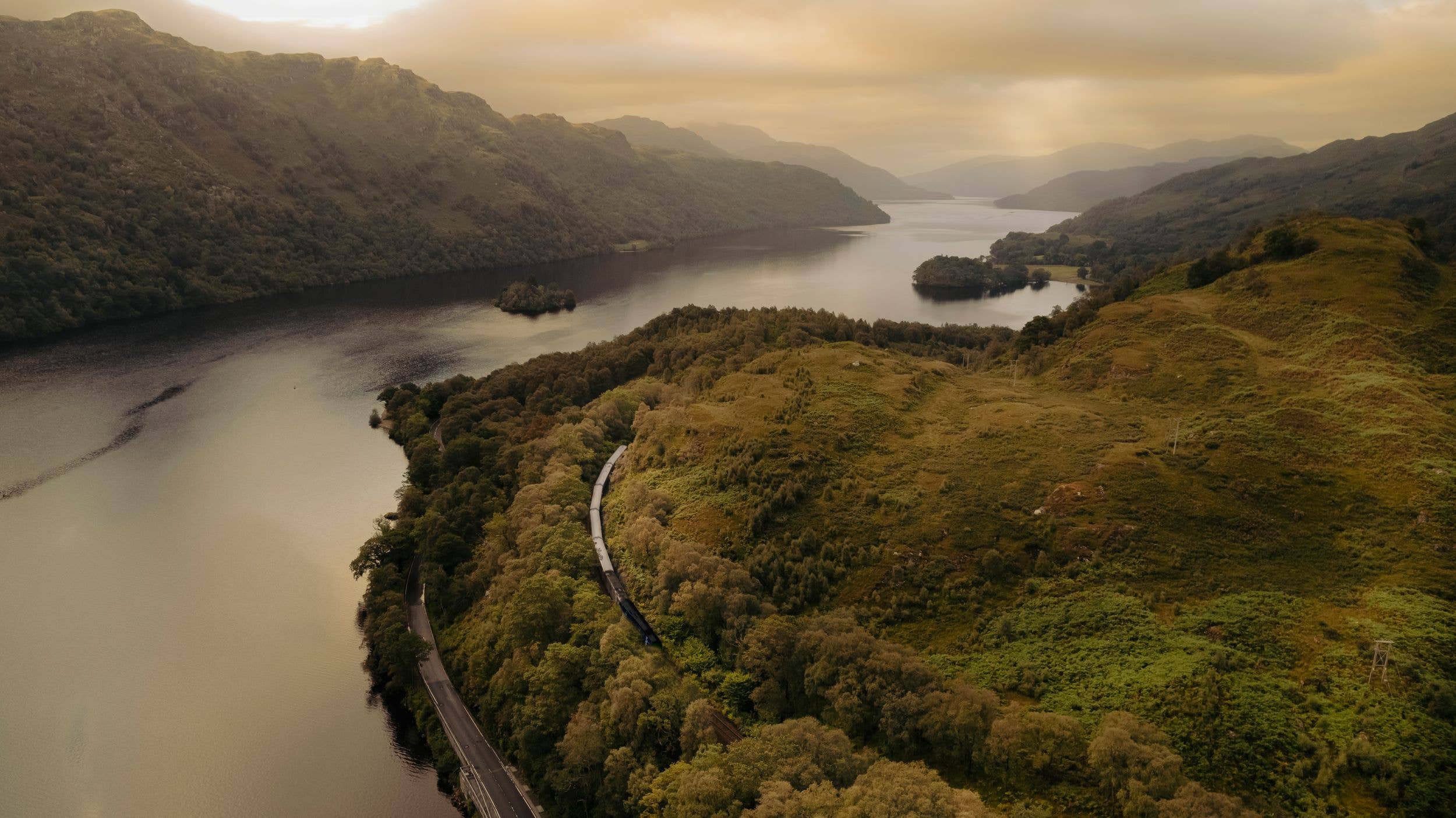
Oil prices are on the rise, making travelling by train an increasingly appealing option and there’s no more scenic way to get to – or around – Scotland.
All the perks
Rail travel isn’t just better for the environment – it’s also a good way to future-proof your holiday against price fluctuations at the fuel pump. Plus, there’s the hours it can save you on your journey. Take the trip to Edinburgh from London; by train it’s less than four and a half hours. By car it will take you more than seven and a half hours – without stops.
Sleep through it
The Caledonian Sleeper can add an additional layer of luxury to the journey, allowing you to travel to Scotland while you sleep, with the service from London Euston stopping in Edinburgh, Glasgow, Aberdeen, Dundee and Inverness.
For peak travel days (weekends and school holidays), you’ll need to act swiftly, as bookings open a year in advance. On 30 April I checked tickets for the same day in 2027 (the Friday before next year’s early May bank holiday) and tickets had sold out by 9pm.
Worth travelling for
There are some big events planned for 2026. The famed Edinburgh Fringe (7 to 31 August) is set to be bigger than ever, with 2,083 shows currently confirmed, while the Commonwealth Games will be heading to Glasgow (23 July to 2 August).
Scotland is home to some of my favourite hotels, and away from the cities, there are plenty of hotly anticipated openings and refurbishments happening this year. The Hope by WildLand hotel and retreat opened its doors in the vast, coastal landscape of Sutherland earlier this month, while Glenapp Castle in Ayrshire is currently undergoing a significant facelift with a wellness-focused suite called The Nest set to open in July.
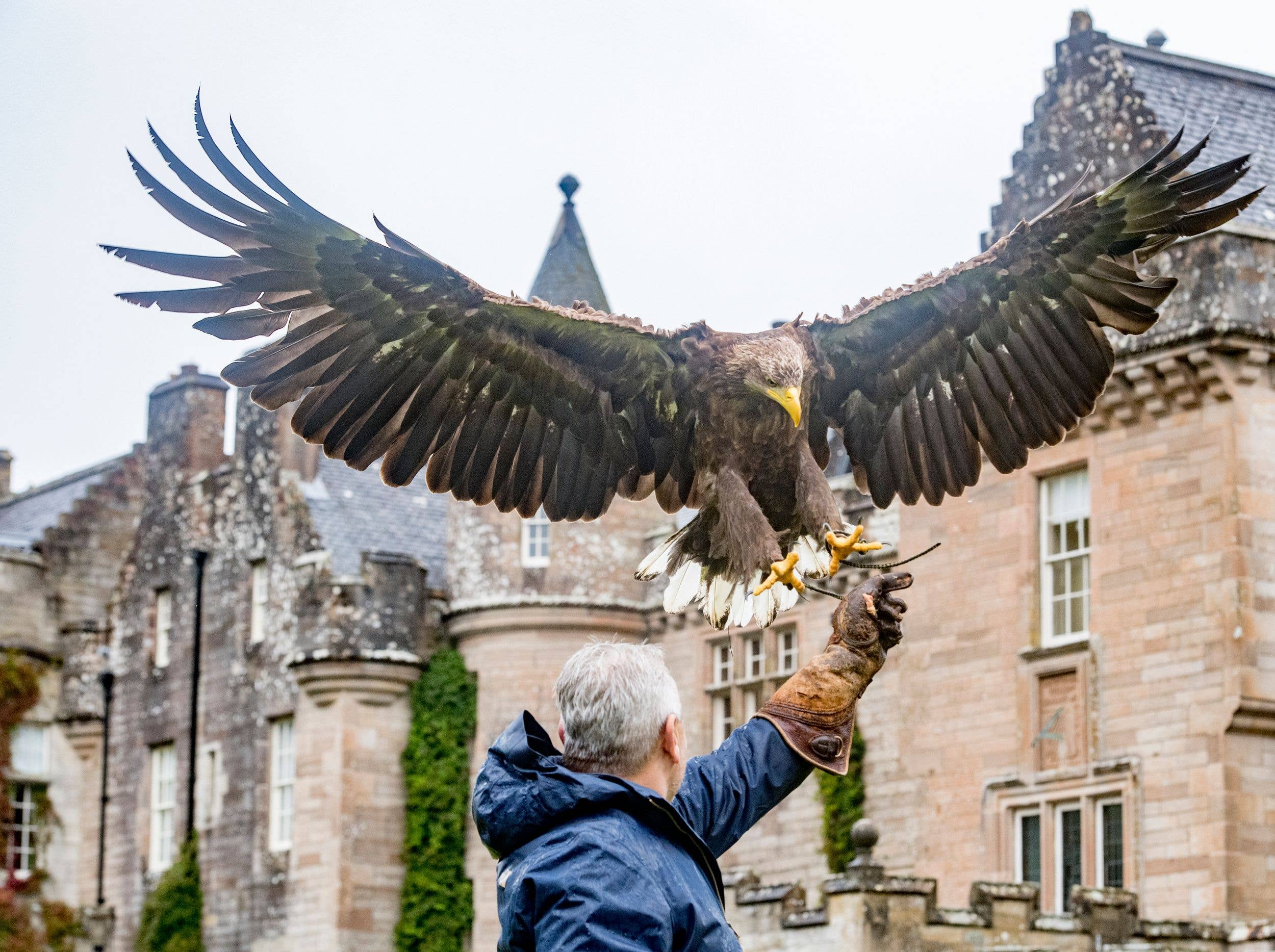
In the past year, we’ve also seen Ardbeg House on the island of Islay open to much acclaim (its maximalist design and exceptional whisky have been a big hit).
On-trend
The British Sauna Society now counts more than 600 public saunas in use across the country versus just 45 in 2023. Embracing the surge of the wild sauna trend is The Gleneagles Hotel in Perthshire, which has launched Frandy Water – an off-grid wellness destination featuring a wood-fired sauna and freshwater immersion experience.
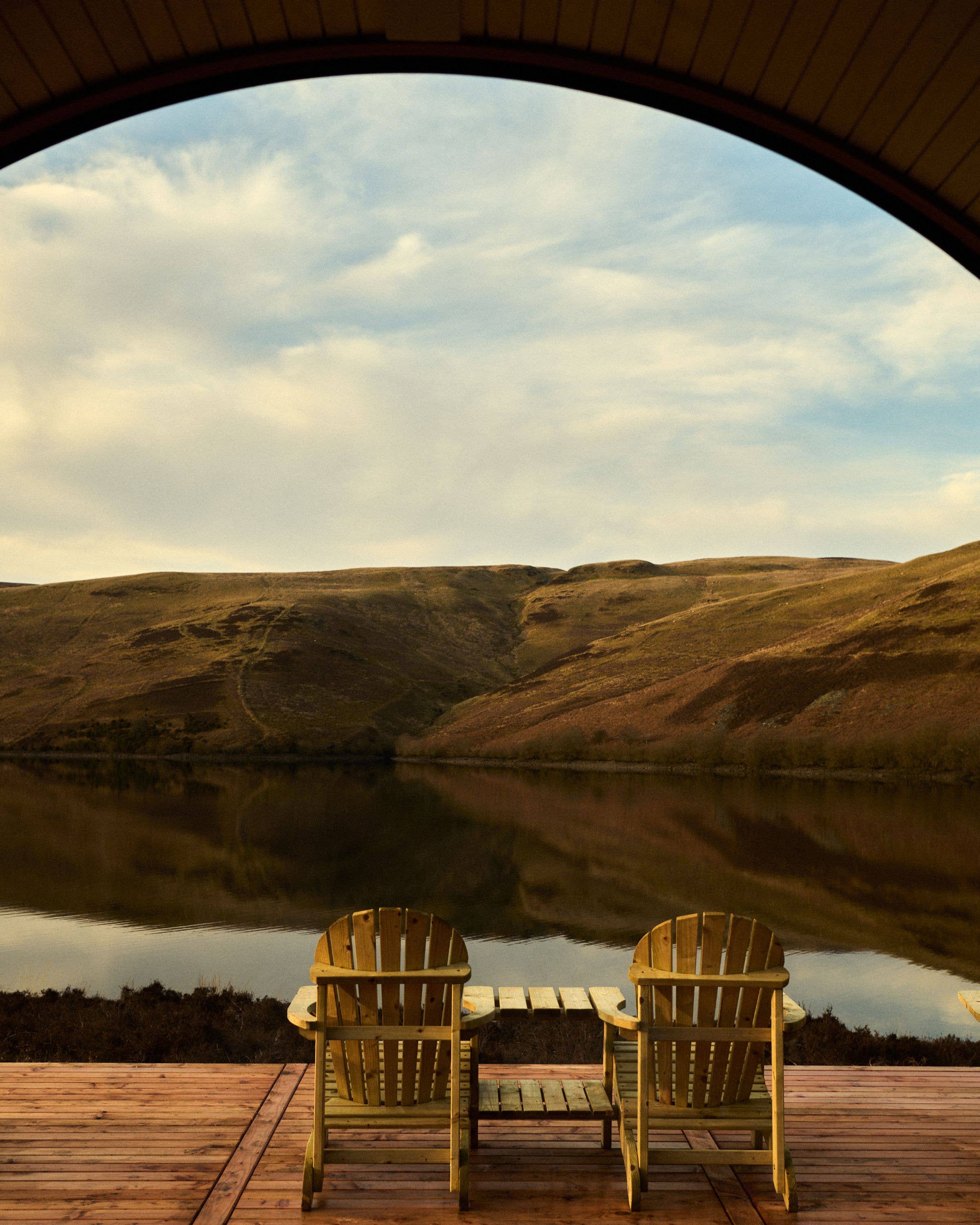
How to do it: Classic rooms on the Caledonian Sleeper cost from £210 one way (sleeper.scot). Rooms at Hope cost from £1,100 per night, all-inclusive (wildland.scot); Glenapp Castle from £463 (glenappcastle.com); Ardbeg House from £263.70 (ardbeghouse.com). A 90-minute session for two people at Frandy Water starts at £220 (gleneagles.com).
Live well
Wellness is a buzzword I’m confronted with multiple times a day in the world of travel. So in an attempt to rediscover some meaning in the word, I decided to look it up. According to the Global Wellness Institute, the term is defined as “the active pursuit of activities, choices and lifestyles that lead to a state of holistic health”.
Based on this, I would argue that all travel could therefore be defined as wellness. Yet the difficulty that hotels and destinations face is finding a simple way of explaining their offering in a world in which “spa” just doesn’t cut it any more.
A British example
Take my recent trip to The Langley – a beautiful five-star hotel in the picturesque Buckinghamshire countryside. Built as a hunting lodge for the third Duke of Marlborough in the 18th century, the hotel has been more than restored – it’s been given a complete facelift with international influences and a focus on “wellness”.
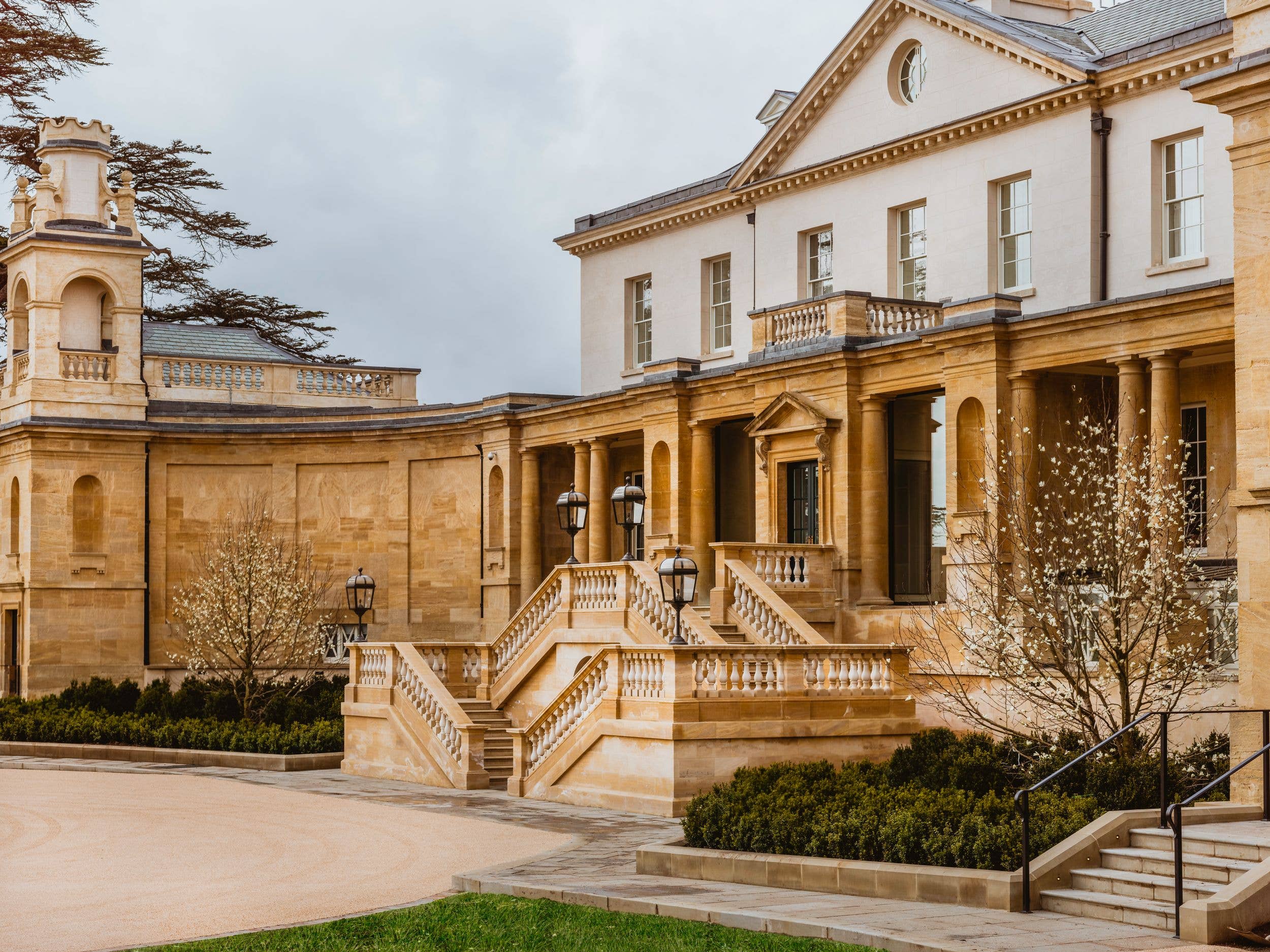
Different people have varying opinions on the decor (I personally found it whimsical, but I see why others find it jarring), yet there’s plenty to be said about the activities on offer.
First, there’s the subterranean spa, which has been carved out beneath the car park and features an indoor pool, saunas, steam rooms, hammams and a hot tub. Here, you can indulge in treatments that last as long as two hours with excellent practitioners who have been trained to find out exactly what you need and deliver it.
A family affair
There is also a surprising outdoor offering that is perfect for small children. There’s a heated outdoor pool (I was sceptical, but it was as warm as a bath), ponies and pygmy goats to visit, a small play area, a kids’ club lodge with crafts on tap and an abundance of walks. In essence, it gives you everything you might need to keep children off devices and interacting with the real world.
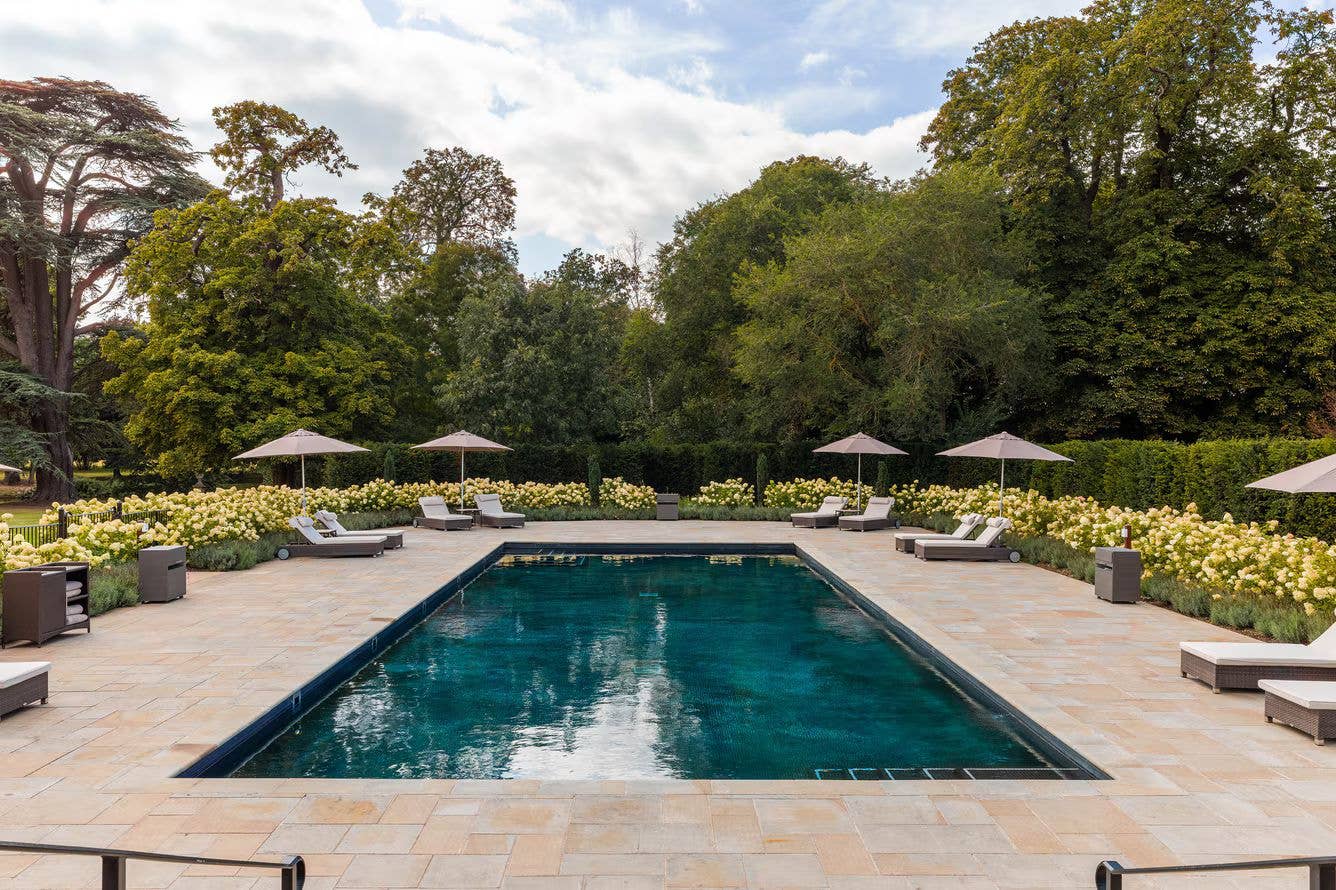
For me, this is what makes a hotel a great “wellness” space – it’s a place where I can go to unwind or my husband can hit the gym while the other parent has plenty to do with the kids.
And although there were some issues (the food was expensive yet sadly mediocre and the main Cedar dining room didn’t open until 6.30pm), The Langley is a good example of the changing face of “wellness” in the UK hotel scene. And the number across the country is on the rise – you just need to know where to look.
How to do it: Double rooms from £495 including breakfast (marriott.com).
What’s hot
Adventures on foot
With May being National Walking Month, walking is a hot topic. And the launch of the King Charles III England Coast Path in March by Natural England means that there are excellent paths to tread all year round.
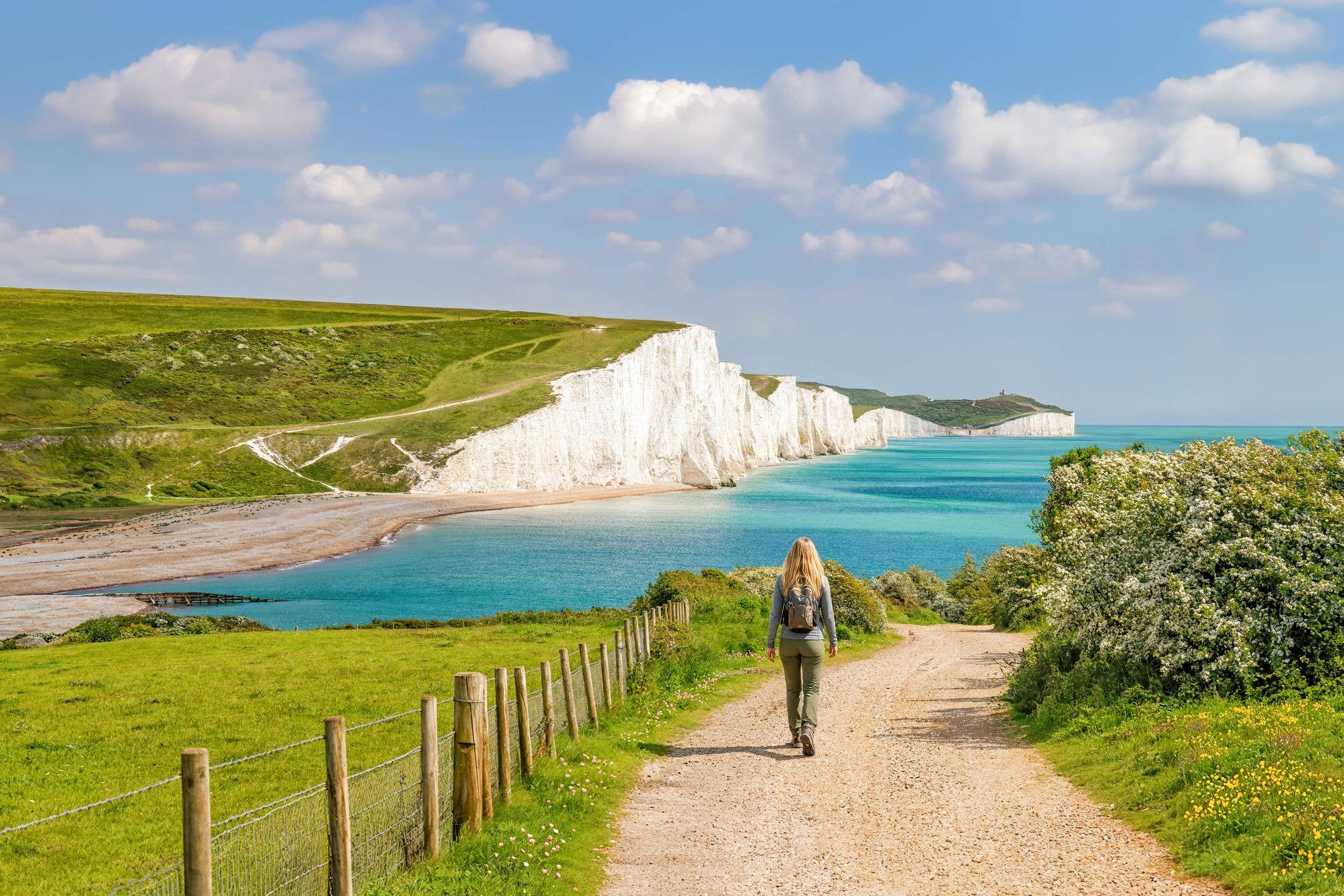 © Getty Images
Eighteen years in the making, the path has cost about £28m. Although it may never be complete (damage, coastal erosion, military zones and private land ownership all create their own problems), there is plenty to be explored.
While there are an abundance of beautiful stretches – Bamburgh to Lindisfarne, Lyme Regis to West Bay and Whitehaven to St Bees to name but a few – the section around Whitby, either north to Staithes or south to Robin Hood’s Bay, is a favourite.
The Beach House at Saltmoore is a good base for families. The 29-room hotel opened last year but the big news for 2026 is the addition of a dedicated children’s pool.
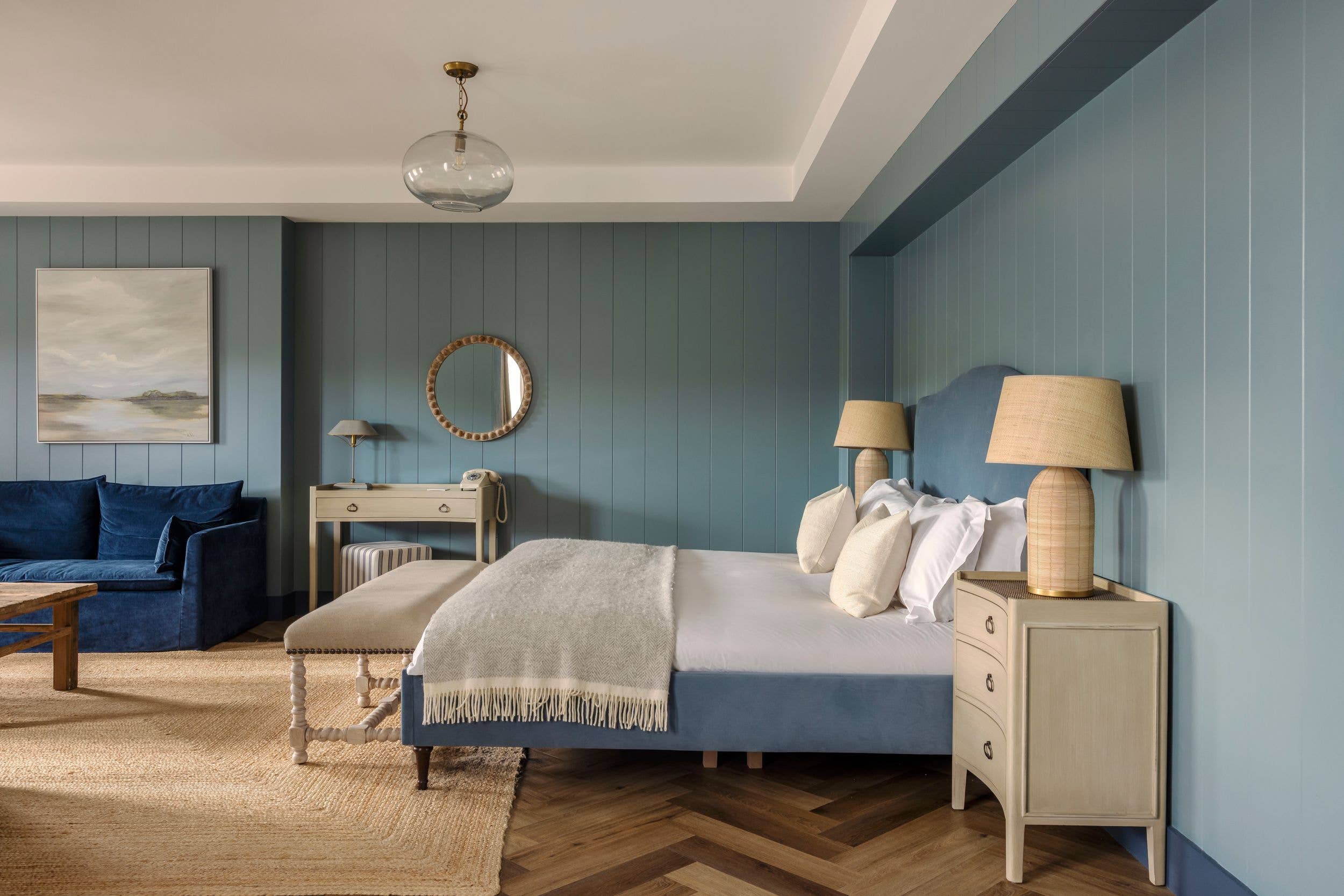
How to do it: Rooms at Saltmoore House start from £350 and The Beach House from £300 (saltmoore.co.uk).
Hotel finery
Scotland isn’t the only place upping its hotel game. A flurry of luxury openings are on the cards for 2026, with London a major player. The newness kicked off in March with the hotly anticipated Six Senses on the site of the capital’s first department store, Whiteleys. The Waldorf Astoria Admiralty Arch on The Mall and The St Regis London are among those set to follow.
At the other end of the country, Wildhive Eshott Hall in Northumberland is the much-awaited sequel to Callow Hall in Derbyshire. This elegant Georgian country-house hotel is now taking bookings from 31 July onwards. Soho House in Manchester, The Malone Hotel in Belfast and The Gallivant Littlestone Beach in Kent are just a handful of recent or forthcoming openings that those in the know are excited about for 2026.
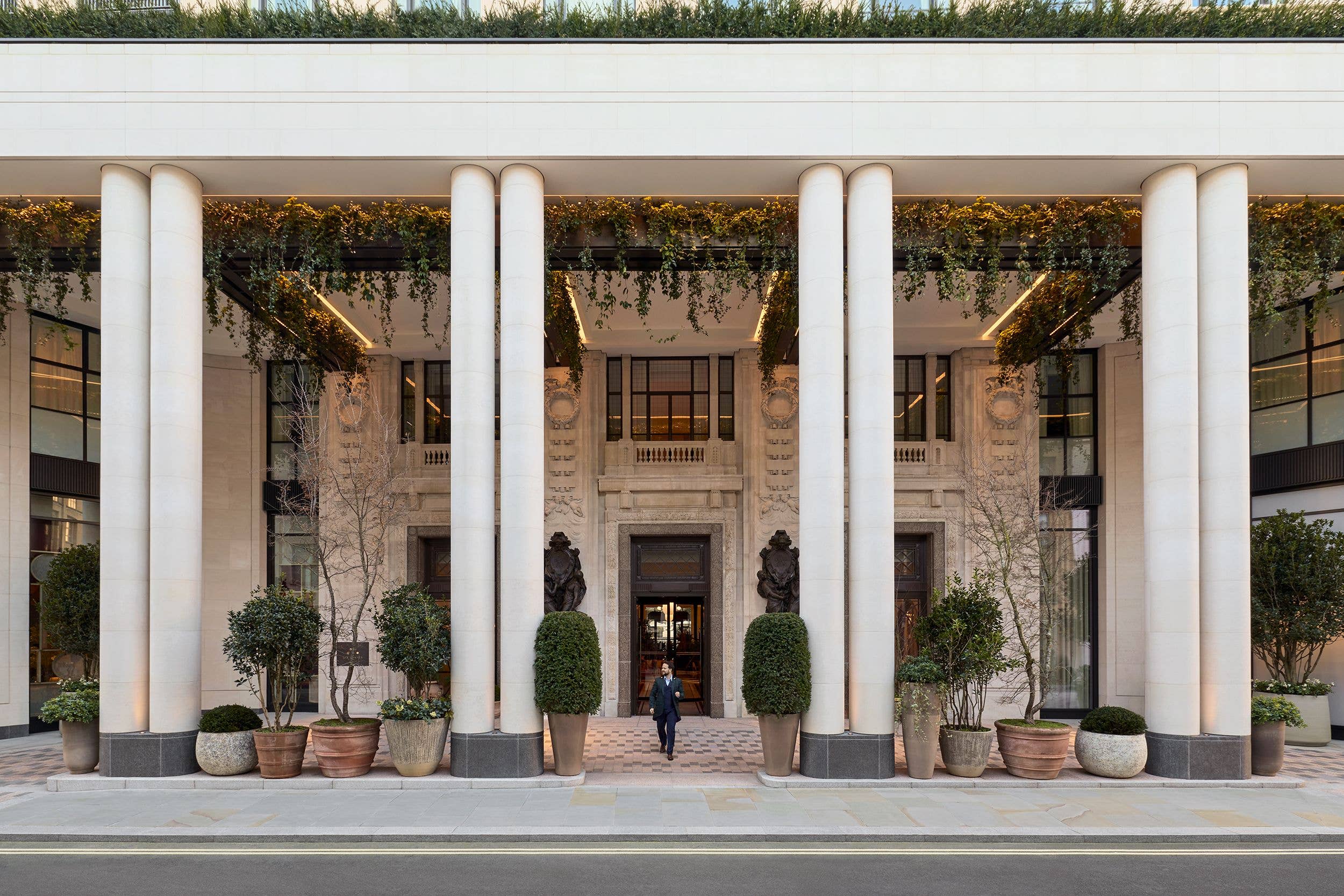
How to do it: Many rates are yet to be announced but rooms at Six Senses London cost from £825 (sixsenses.com); Wildhive Eshott Hall from £195 (wildhive.uk); The Malone Hotel from £109 (themalonehotel.com); and The Gallivant Littlestone Beach from £300 (thegallivant.co.uk).
Big screen drama
“Set-jetting” is one of the hottest travel trends for 2026 and the UK is a great place to start.
In Bath, you can live like a Bridgerton with a stay at The Royal Crescent Hotel & Spa, which oozes elegance, before taking a themed tour of the city with the Blue Badge-certified guide Fred Mawer.
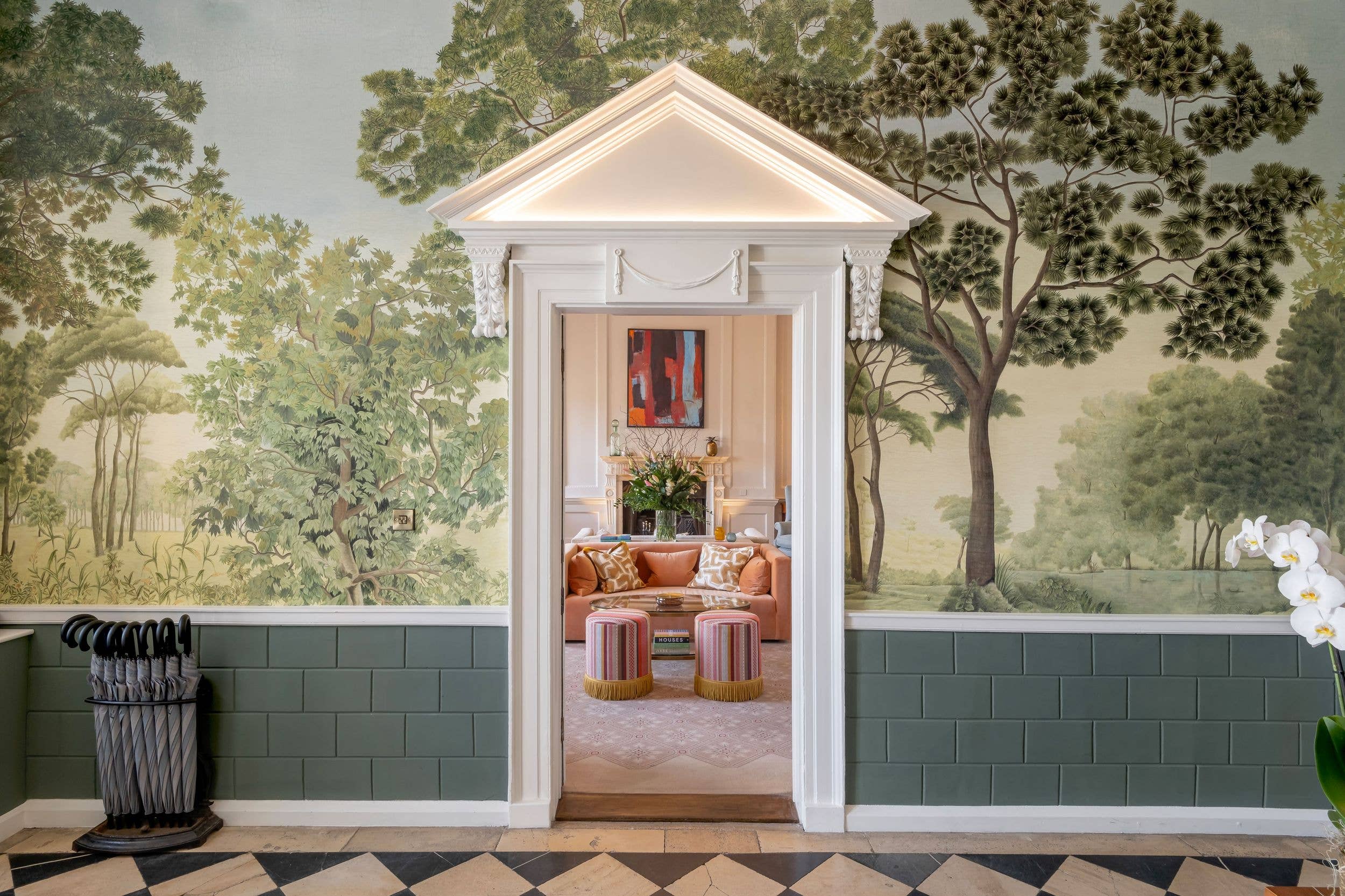
On the silver screen, Yorkshire’s wild, moody moors are as much a character in any adaptation of Wuthering Heights, Emily Brontë’s 1847 novel, as Cathy and Heathcliff. The recent release starring Margot Robbie used spots around rippling Swaledale for the setting, with Low Row’s comely stone cottages also making an appearance. The cast stayed at the luxe 17th-century country-house hotel Simonstone Hall.
Other notable film appearances for 2026 include the Surrey Hills in the adaptation of Enid Blyton’s The Magic Faraway Tree and the gritty, urban sprawl of the West Midlands in Peaky Blinders: The Immortal Man.
How to do it: Rooms at Simonstone Hall cost from £199 (simonstonehall.com); and The Royal Crescent Hotel & Spa from £435 – the Bath on Screen package, including a themed tour, costs from £818 (royalcrescent.co.uk).
Read the full article here