

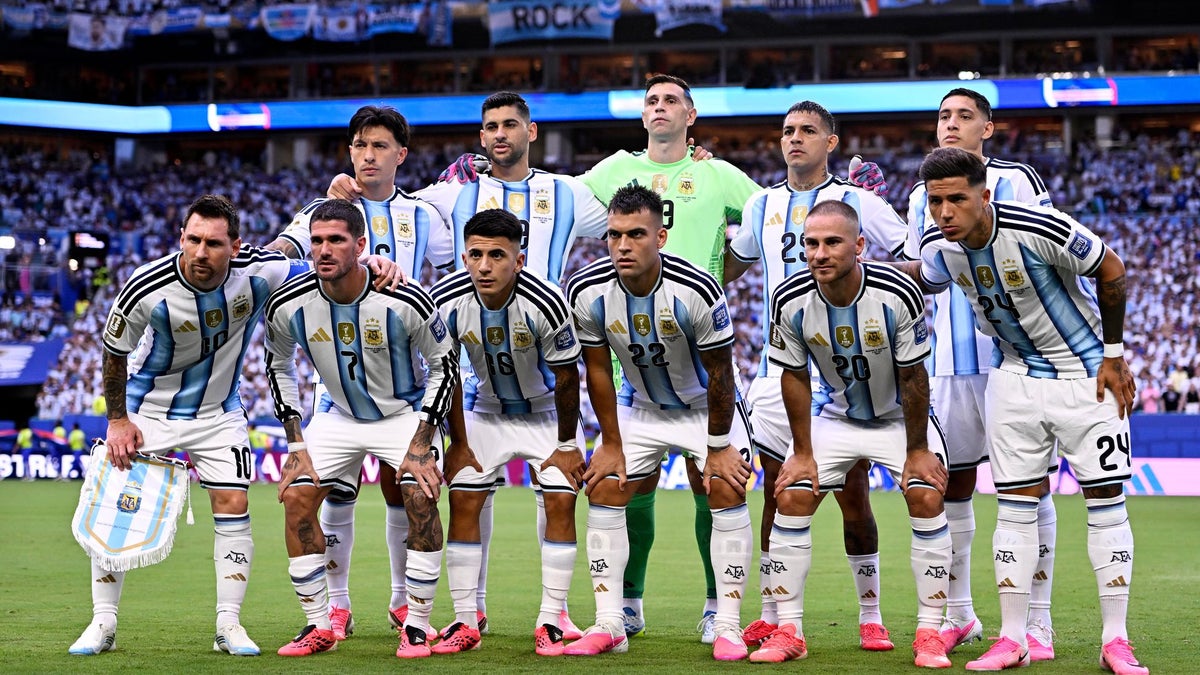

Argentina’s celebrations at the FIFA World Cup 2026 have extended far beyond the pitch. After their dramatic knockout victory, videos from the team’s locker room quickly spread across social media, showing players singing together as they celebrated another step toward the title.
While many fans viewed the moment as a display of team unity and passion, others focused on the lyrics of one particular chant, which references Argentina’s long-standing claim over the Falkland Islands, known in Argentina as the Islas Malvinas, and addresses Messi’s last World Cup and the team’s desire to add a fourth star to their jerseys.
Why Argentina’s FIFA World Cup 2026 locker room chant is trending
The dressing room video gained attention after Argentina defeated Egypt in the Round of 16. Players, including several senior stars, joined in singing while celebrating with teammates.
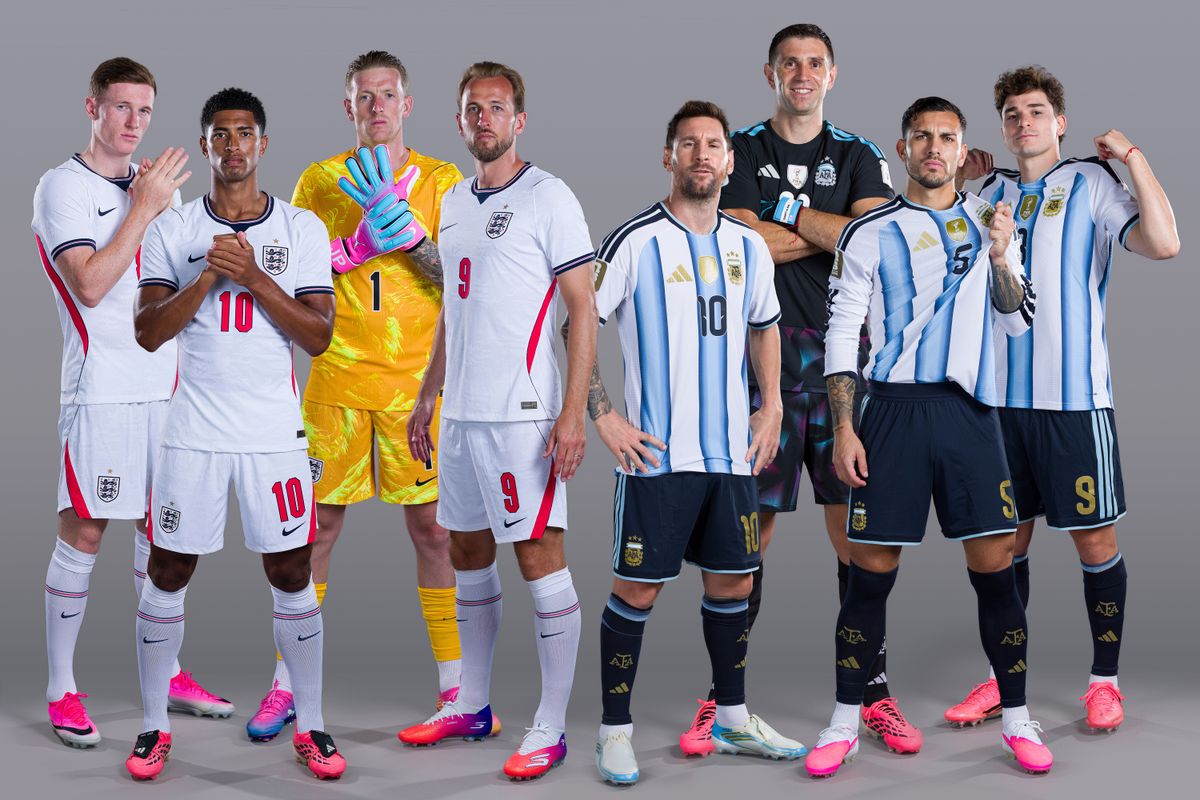
The clip quickly spread across social media because English-language subtitles highlighted lyrics mentioning “Las Malvinas,” immediately drawing international attention ahead of the Argentina versus England showdown.
 © FIFA via Getty Images
What does the Argentina locker room chant mean?
The chant celebrates Argentina’s football history while also expressing patriotic sentiment.
Its lyrics reference several themes that are deeply meaningful to many Argentine supporters, including national pride, Diego Maradona’s legacy, Lionel Messi’s leadership, Argentina’s World Cup ambitions, and the Islas Malvinas (Falkland Islands), which Argentina continues to claim as its territory.
For many Argentine fans, references to the Malvinas symbolize national identity and remembrance.
Argentina’s football chants have a long history
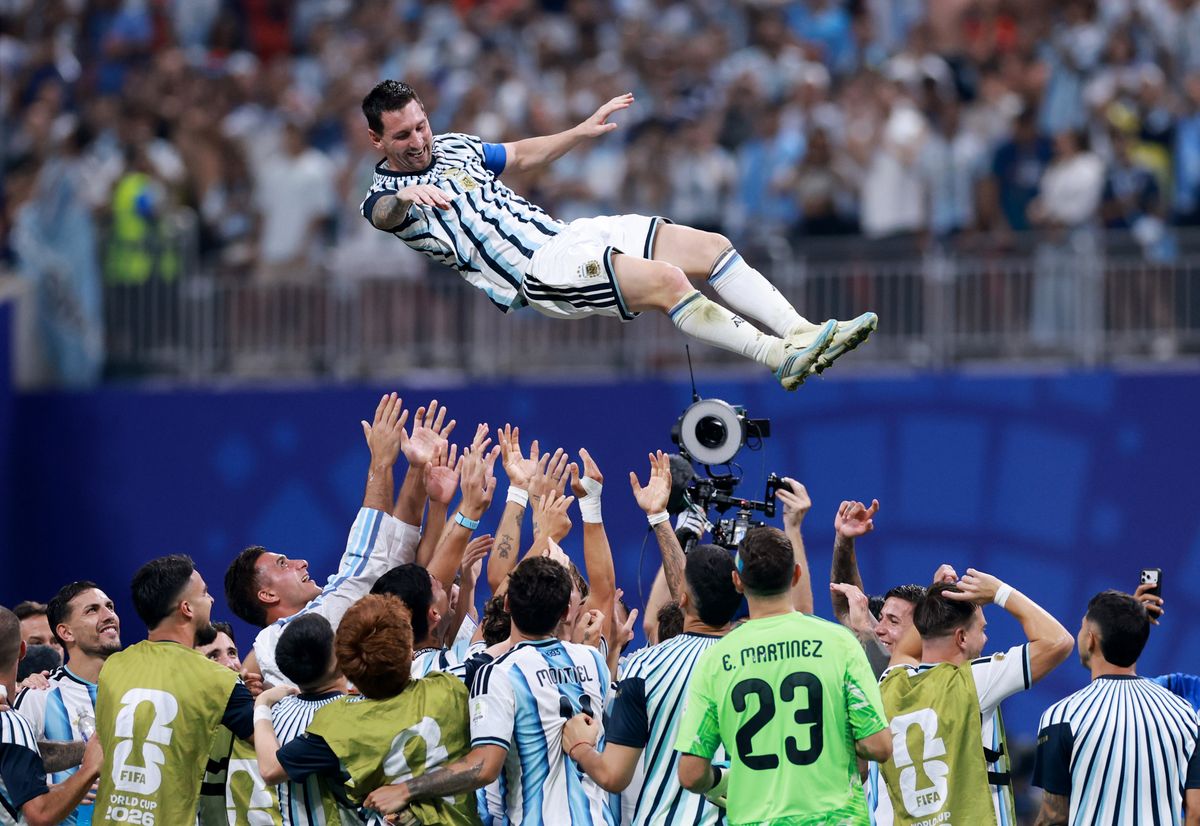
Argentina has long been known for creating memorable football anthems. During the 2022 World Cup, “Muchachos” became one of the tournament’s defining songs. The lyrics celebrated Lionel Messi, honored Diego Maradona, and expressed hope of winning another World Cup. Players frequently sang it inside the dressing room after victories, helping transform it into an international football anthem.
 © Getty Images
For the 2026 tournament, supporters have also embraced a new anthem titled “La Cuarta Estrella” (“The Fourth Star”), reflecting hopes of adding another World Cup title to Argentina’s history.
Soy hincha de La Selección
La aliento con el corazón
Ganamos la tercera con Lionel
Queremos ser campeones otra vez
Y treinta y dos años después
La Scaloneta va a vengar
La copa que le robaron al Diez
La que no nos dejaron levantar
Quiero ver la cuarta estrella
Brillar en la camiseta
Soy argento de la cuna hasta el cajón
Por Malvinas, por El Diego
Por la última de Leo
Argentina quiero verte bicampeón
Which translates to:
I support the National Team.
I cheer them on with all my heart.
We won the third title with Lionel.
Now we want to be champions again.
And 32 years later,
Scaloni’s team will get revenge.
For the World Cup, they took from Diego.
The one they didn’t let us lift.
I want to see the fourth star
Shine on our jersey.
I’ve been Argentine from the cradle to the grave.
For the Malvinas, for Diego,
For Leo’s last one,
Argentina, I want to see you become back-to-back champions.
What it means:
- “La Selección” refers to Argentina’s national football team.
- “La Scaloneta” is the nickname for Argentina’s national team under coach Lionel Scaloni.
- “La copa que le robaron al Diez” literally means “the Cup they stole from the No. 10,” referring to Diego Maradona and the belief among some Argentine fans that Argentina was unfairly denied the 1990 World Cup.
- “Por Malvinas” refers to the Falkland Islands (called the Malvinas in Argentina), expressing a patriotic sentiment rather than describing the football tournament itself.
- “Bicampeón” means back-to-back champion or two-time consecutive champion, referring to winning consecutive World Cups.
Football celebrations often reflect national identity
Around the world, football supporters use songs and chants to celebrate victories, honor former players, and express national pride. Argentina’s fan culture is especially famous for its passionate stadium atmosphere and creative chants that evolve from one tournament to the next.
 © FIFA via Getty Images
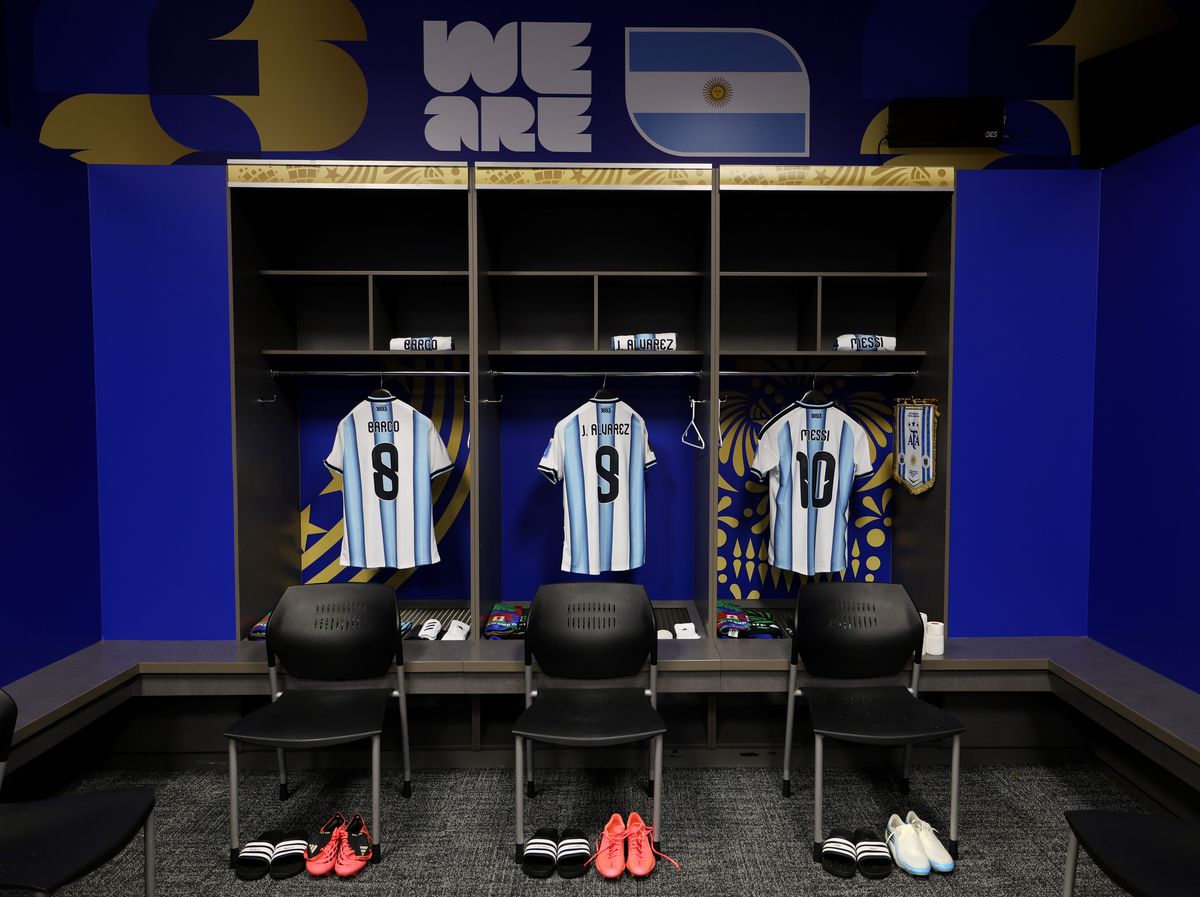
The latest locker room video demonstrates how quickly these celebrations can become global talking points, particularly when they include references that extend beyond football itself.
Read the full article here