

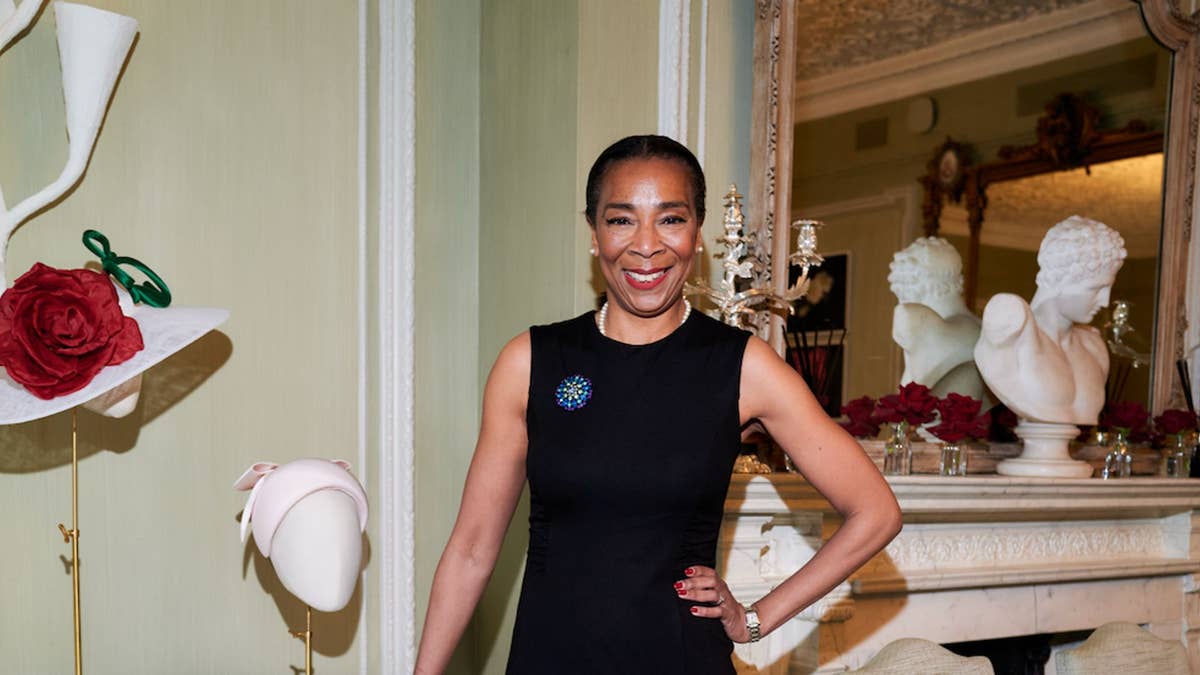

When Paula Sutton suffered the loss of her mother to cancer six years ago, she found seeking out joy in the simplest ways helped her to cope with her grief.
Taking pictures of her delicious garden picnics, fields of flowers and beautifully created tablescapes enabled her to escape the deep sadness she felt, so she started to upload the glimmers of happiness to social media to share with others.
According to Psychology Today, allowing moments of joy to run alongside grief, as guilty as it can sometimes make you feel, can help with the neurological pathways in your brain and help ease the grieving process.
“Studies show that people who let themselves feel both joy and sorrow after loss adapted more easily than those who tried to pick one lane. Nostalgia, humor, gratitude — these are not distractions from grief. They are the body’s way of balancing out the heaviness,” says Mary Catherine McDonald Ph.D.
For Paula, it unintentionally led to her HillHouseVintage instagram growing to the huge 620k following she has today and has helped her to navigate some of the lowest moments of her life and discover a whole new career in her fifties.
“Unexpectedly, my mother got ill with leukaemia and was dead within three months,” Paula tells Ateh Jewel on this week’s Second Act podcast.
“I went to Grenada to bury her, and when I came back, we went straight into lockdown.
“I was in the throes of the biggest misery. Absolute grief. But weirdly, it was the best weather as well. It was beautiful. But I was miserable inside. So my way of combating that was by trying to make everything beautiful, you know, the flowers, the garden, the picnics, the doing, table scapes and flinging on my dresses.
Given it was during the time of lockdown when people were frustrated, she became the target of some backlash with some people thinking she was ‘showing off’. But in a sign of karma, her supporters hit back and boosted her instagram numbers even further.
“Some people think if you’re not having a bit of misery, it doesn’t seem like you’re grateful enough. Some of us don’t need to show or don’t want to show our misery,” says Paula, whose latest book The Body In The Kitchen Garden is out this month.
“I’m not saying there haven’t been miserable moments. And of course, that’s a case in point. I was grieving. I was probably the most miserable I’ve ever been in my life. But if you looked at my Instagram, you’d see me smiling and laughing and holding flowers and playing with my dog.
“I was almost trying to create happiness and hoping the happiness would follow because I was so miserable. I was making these abundant table scapes and just creating as much beauty as I could in order to try and cheer myself up. It was literally was as basic as that.”
“When somebody very significant in our lives has died or relationship is lost for another reason – we have to learn to navigate the world in a different way without them in it,” says Lizzie Pickering, expert grief counsellor and author of When Grief Equals Love.
“And that’s very, very hard for our human brains and our whole systems to do. At first when somebody dies we simply can’t compute that they have gone, because they have physically gone but they are still layered in every memory multiple layers in our brains. In a way they are still here, they are still with us, we just have to learn to navigate the world in a different new way.”
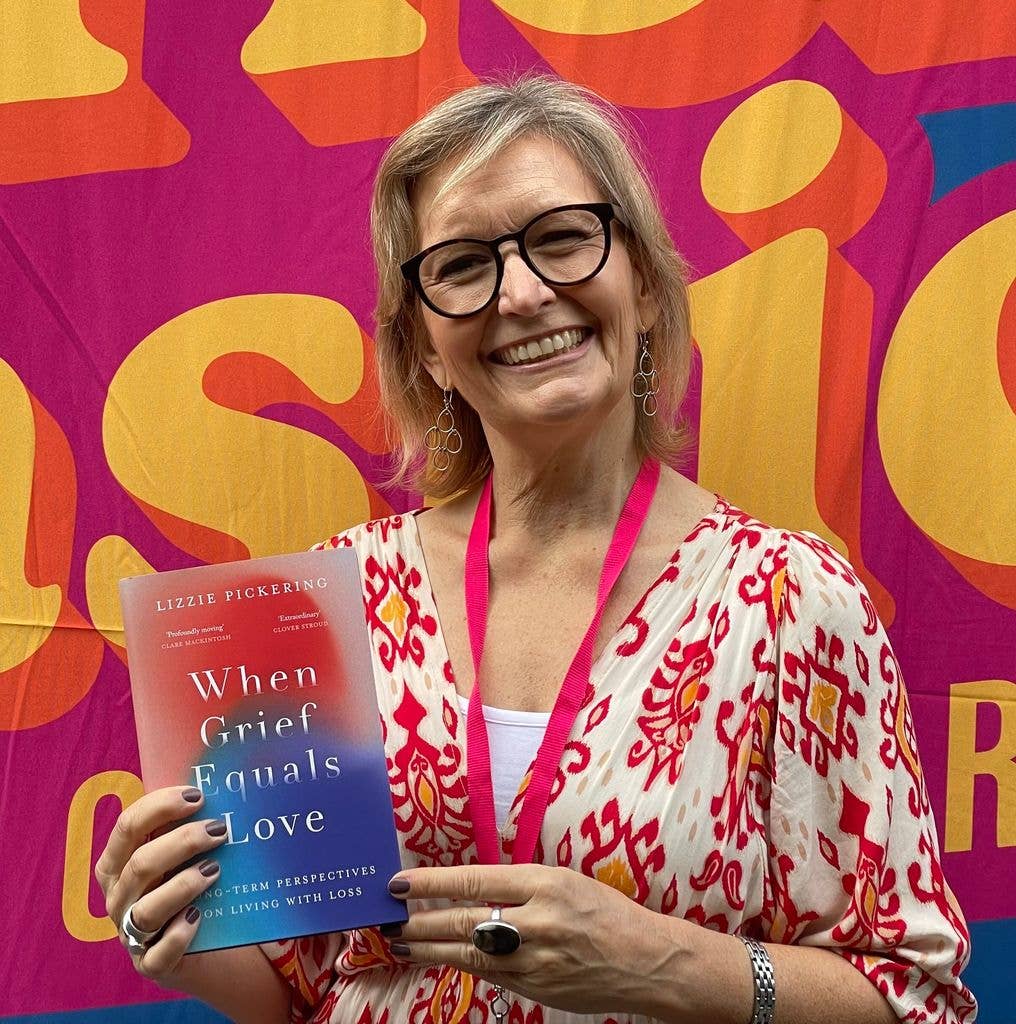
Lizzie Pickering’s practical tips on coping with grief
Lizzie recommends creativity – in whatever form you might enjoy.
- Writing – Getting the thoughts out on paper can help release the hold they have on your body
- Taking Pictures – As Paula has shown, taking beautiful pictures of landscapes or taking photos of something so beautiful is a balm for the soul and the mind. Any way we can focus our brains away from our grief.
- Art – I am also a bereaved mum as well as an educator so I work on this all the time. Where can I find joy, where can I find creativity and where can I balance that with my truth of living authentically with grief? I have recently taken up oil painting lessons with an artist and I take off half a day once a month to go to her artist studio and I don’t think of anything other than where the paint is going next. When I come out of there I feel like I have had the greatest therapy session because all I have thought about is the paint strokes, and I havent thought about my work with grieving clients and it has given my brain a break.
“There is a lot of duality in grief – there’s grieving and living, grieving and loving and we need to do both,” Lizzie adds.
“We need to grieve fully and allow ourselves to let the grief out and connect to what has happened through good support, good therapy, having a safe space with a therapist or with friends where we can let the anger and sadness out.
“And in duality with that is diverting our grieving brains to give us a break and channeling them into other things. So diverting into art can be so helpful.”
“It was awful losing my mother,” says Paula. “But actually going through bad, hard times makes you resilient and you know that you can get through things as well. And so all of those happening in my 50s, it’s been an amazing decade of revelation and rebirth and confidence.”
Listen to the Second Act podcast, now on Apple Podcasts, Spotify, Amazon Podcasts and Youtube.
Read the full article here